From Runway to UI: What Web Designers Can Learn from the Fashion Industry
Web designers can learn a lot from the fashion industry by borrowing its approach to color, form, and brand identity.
These days, the line between fashion and web design is getting thinner. Runway aesthetics, attention to detail, and brand storytelling directly shape how websites and interfaces are created. For instance, fashion brands like Pinko use bold colors, clean typography, and minimalist layouts, inspiring web designers to craft interfaces that are both unique and memorable.
What Fashion Can Teach Web Designers
Colors and Emotional Impact
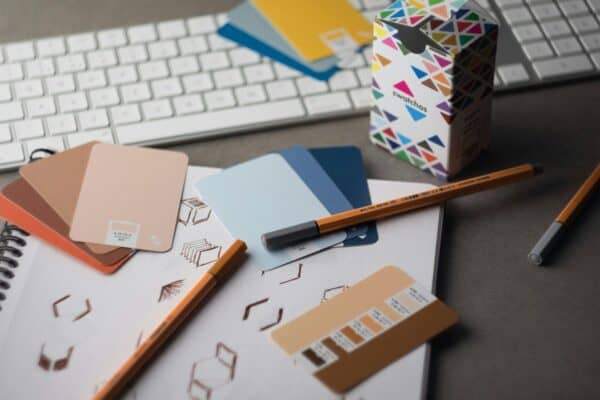
Colors in fashion set the mood, create associations, and define a brand’s style. The same goes for web design: color guides user attention and highlights important elements.
Examples of color use:
- Red for energy and action
- Pastels for calm, minimal vibes
- High-contrast combos to emphasize key points
By using runway-inspired palettes, designers can create interfaces that feel fresh and trendy.
Shapes and Layouts
Fashion experiments with proportions and shapes, and web design can too. Think:
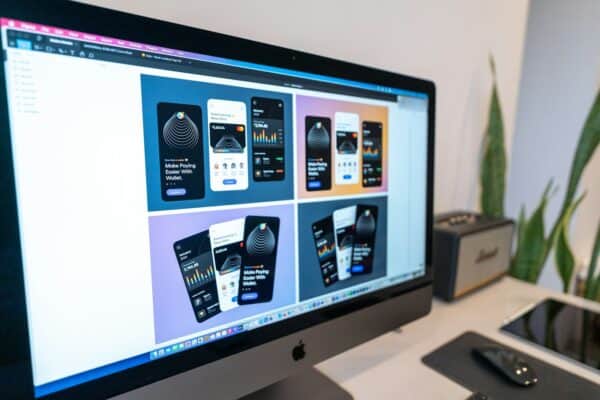
- Asymmetrical grids
- Cards with different heights and widths
- Modular interface elements
These tricks make websites dynamic and visually interesting without losing readability.
H3: Typography and Brand Personality
In fashion, fonts convey the personality of a collection. On the web, big headers and unique fonts communicate a brand’s identity and make a site stand out.
H2: How to Bring Runway Ideas into Your UI
H3: Practical Tips for Designers
- Study fashion shows and collections for detail inspiration.
- Pay attention to visual storytelling — fashion brands excel at it.
- Apply current color and texture trends.
- Experiment with asymmetry and unexpected layouts.
- Adapt brand identity principles in digital projects.
Places to get inspired:
- Fashion Weeks in Milan, Paris, and New York
- Concept stores and flagship boutiques
- Online platforms of fashion brands like Pinko, Net-a-Porter, and Farfetch
Activities to spark creativity:
- Watch runway shows online
- Visit concept stores
- Take notes from fashion photoshoots
- Sketch ideas inspired by collections
- Join fashion design workshops
- Explore visual blogs and Pinterest boards
- Check out fashion branding on Behance and Dribbble
Advanced Insights
Emotional Design
Fashion creates emotional stories around collections. Web design can do the same using animations, micro-interactions, and storytelling through visuals — keeping users engaged and coming back.
Minimalism vs. Maximalism
Choosing between minimalism and a more detailed visual story depends on the site’s goal. Fashion shows that balancing these extremes can create unforgettable experiences.
Conclusion
Web designers who draw inspiration from fashion can create more expressive and emotional interfaces. Studying runway trends, brand visuals, and details like color palettes and typography helps translate fashion into digital design. Brands like Pinko show how minimalism combined with bold accents can define a brand’s personality.
Modern websites benefit when designers treat fashion as a source of ideas, experimenting with shapes, typography, and storytelling. This approach results in sites that are not only functional but emotionally engaging, memorable, and on-trend.
Bringing fashion into web design keeps designers ahead of trends and helps create projects that resonate with audiences aesthetically and emotionally.