The AI Assistant Audit: 7 Questions Every Web Agency Should Answer Before Pasting Client Data Into a Chatbot
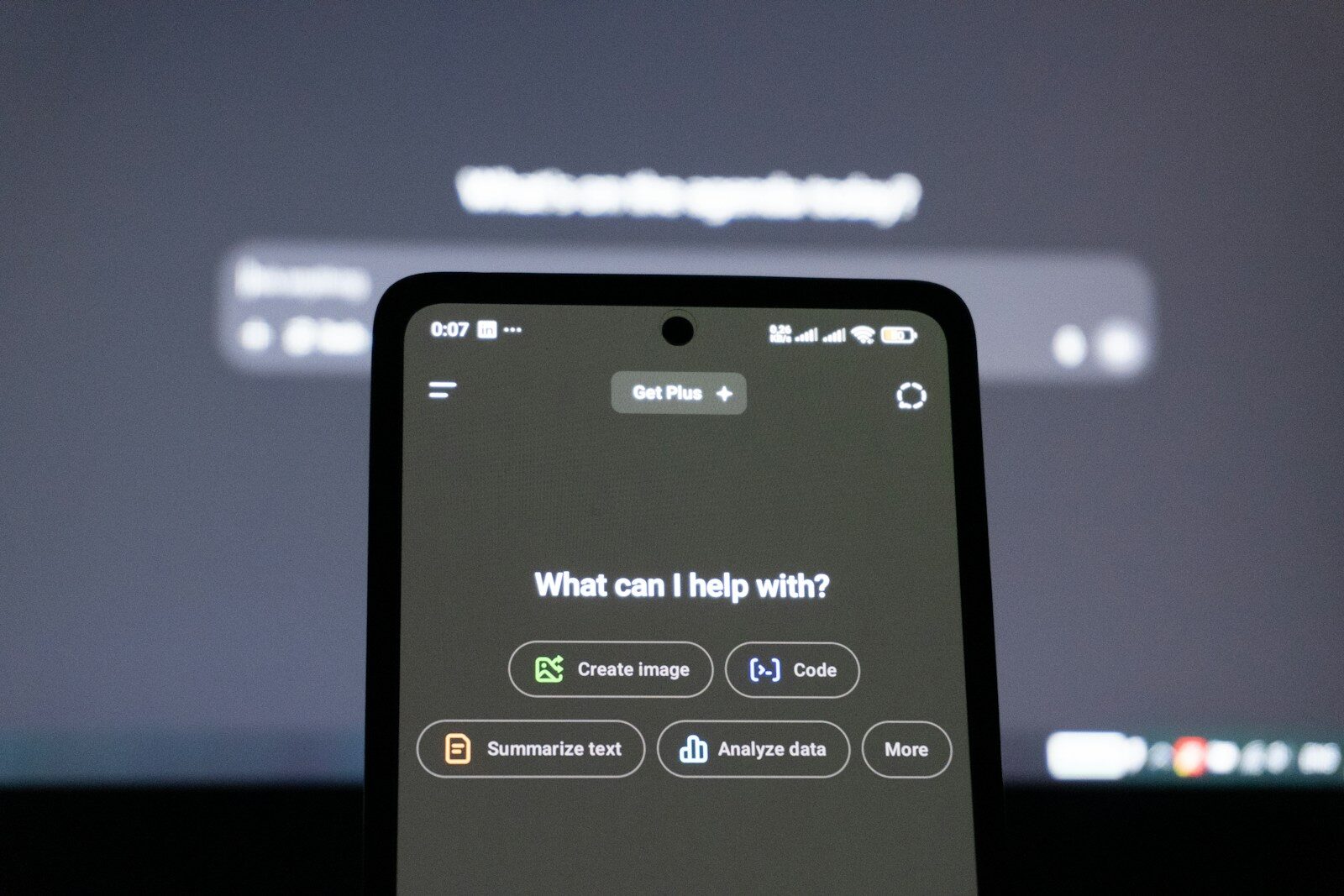
Walk into any small web agency today and you will find an AI assistant open in a browser tab. Someone is using it to rewrite a client’s homepage copy, debug a WordPress plugin conflict, summarize a Google Analytics export, or draft a proposal for a new ecommerce build. It is fast, it is useful, and almost nobody has asked the obvious question: where does all of that client data go?
Agencies hold a surprising amount of sensitive information. Hosting credentials, pre-launch product details, customer lists exported from a CRM, unreleased pricing pages, analytics that reveal exactly how a client’s business is doing. Pasting any of it into a consumer chatbot without checking the terms is a quiet breach of the trust (and often the contract) that keeps your clients paying.
Here is a short audit you can run in an afternoon.
1. Which tools is your team actually using?
Not the tool you approved. The tools people actually open. Ask everyone, including freelancers and contractors, to list every AI assistant they have used for client work in the last month. Most agencies discover three or four, several on personal accounts.
2. Does the provider train on your conversations?
Read the privacy policy, not the marketing page. Many free and consumer-tier assistants state that conversations may be stored, reviewed by staff, or used to improve models. If the only way to opt out is a buried setting, assume your team has not found it.
3. Can the provider read your chats at all?
Encryption in transit and at rest is standard. It does not stop the company running the service from accessing your data. For client work, the stronger standard is end-to-end encryption, where conversations are encrypted on your device and the provider cannot read them. That is a short list of products, which makes the choice easier.
4. What would an NDA lawyer say?
Most agency contracts include confidentiality clauses. Few of them mention AI tools, which means the default interpretation is simple: if you disclosed client information to a third party that may store and use it, you disclosed it. A sentence in your contracts and your internal policy clarifying which tools are approved closes that gap.
5. Is anyone pasting credentials?
Developers debugging a site often paste error logs, config files and database connection strings into an assistant to get help. Those often contain passwords, API keys and hosting logins. Treat this the way you treat committing secrets to a public repo: a hard rule, not a suggestion. The FTC’s plain-language cybersecurity guidance for small businesses is a good baseline to share with the team, and it reads as common sense rather than legalese.
6. Can you manage access as a business?
A personal login shared in Slack is not a tool, it is a liability. When a contractor leaves, can you revoke access? Can you see who has an account? The right setup is a business AI assistant you can provision per user, with privacy built in by design rather than promised in a policy update.
7. Does the tool fit the work your agency does?
Agencies use assistants for a specific mix of tasks: copy drafts, code help, client communication, research. If you want a broader view of what is available for site and agency work, this blog’s roundup of the best AI assistants for websites is a useful starting point. Match the tool to those tasks rather than picking whichever one someone saw on social media.
What to do with the answers
If you got through the list without wincing, you are ahead of most agencies. If not, the fix is not complicated. Pick one approved assistant that meets the privacy bar, write a one-page policy that says what can and cannot be pasted in (client credentials never, unreleased client content only in the approved tool), and mention AI tools explicitly in your next contract revision.
Clients are starting to ask these questions. Being able to answer them in one sentence is a selling point, and it is a far better conversation than explaining, after the fact, how a pre-launch campaign ended up in someone else’s training data.