As we delve into this digital adventure, imagine a realm where your website isn’t just a collection of pages, but a dynamic, interactive partner in your online journey.
Picture AI assistants as your tireless, smart companions, ready to revolutionize the way your site interacts with every visitor. Whether it’s offering a helping hand, a friendly chat, or a personalized experience, these AI marvels are here to elevate your site to new heights of efficiency and engagement.
So, buckle up and let’s explore the best AI assistants that are set to transform your website into a futuristic wonderland!
List of Best 6 AI Assistants For Website
Let’s dive into the heart of our guide: a curated list of the top 6 AI assistants that are redefining the capabilities and enhancing the user experience of websites. Prepare to discover the tools that will revolutionize your digital presence!
-
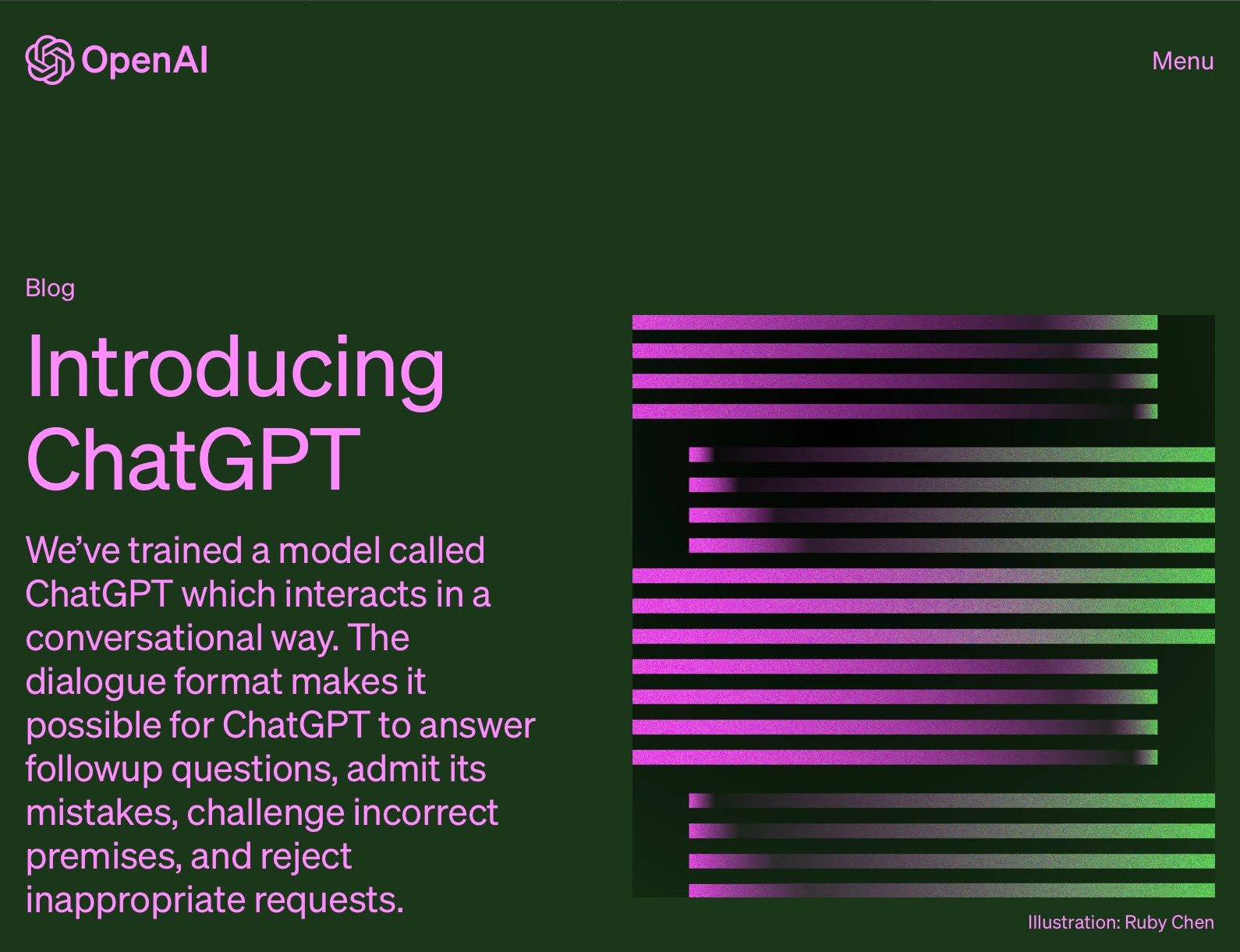
ChatGPT by OpenAI: Revolutionizing Customer Interaction

ChatGPT, developed by OpenAI, is a state-of-the-art conversational AI that can be integrated into websites for various purposes.
From answering customer queries in real-time to providing personalized recommendations and support, ChatGPT’s advanced natural language processing capabilities ensure a seamless and engaging user experience.
Its ability to understand and generate human-like text makes it an invaluable asset for any website looking to enhance its customer interaction.
-
Google Cloud AI: Comprehensive Data Analysis and Insights
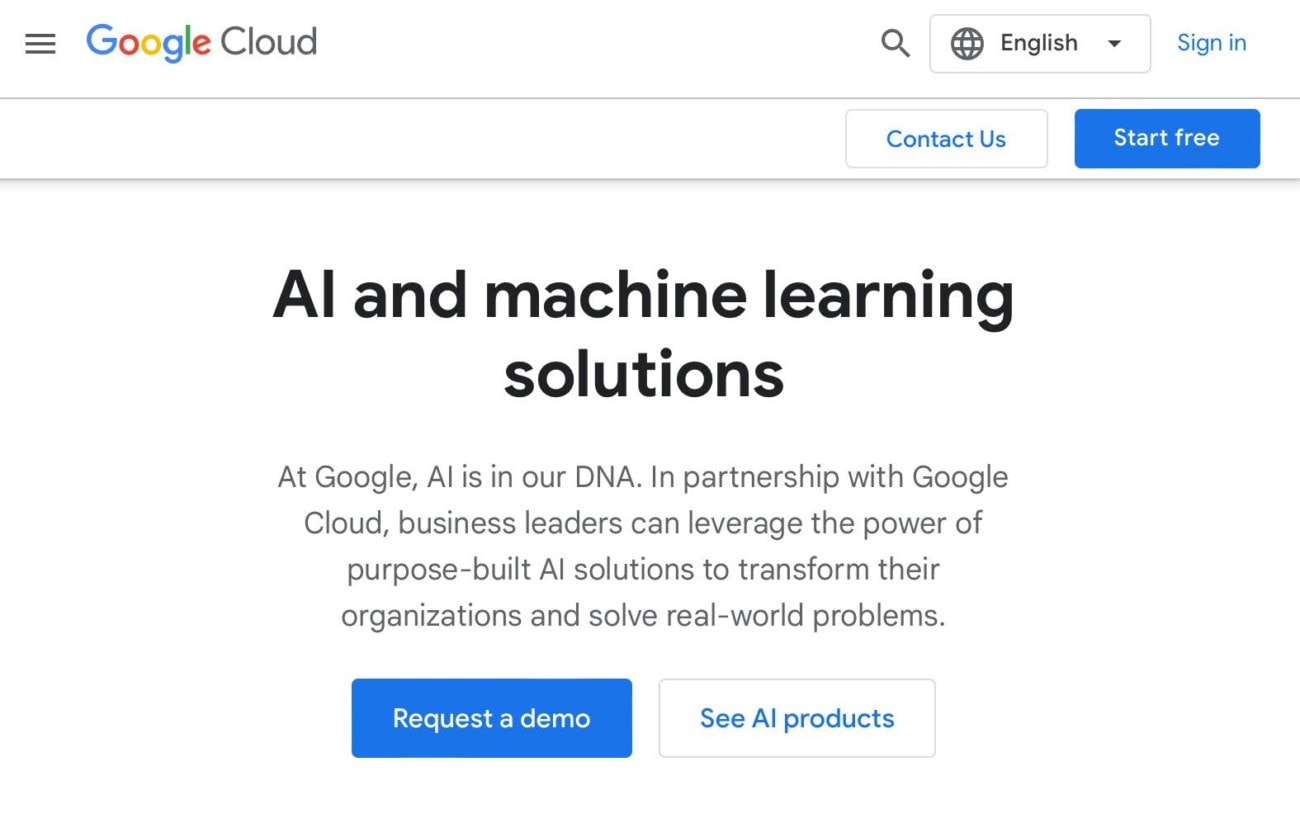
Google Cloud AI offers a suite of machine learning services and tools that can significantly boost a website’s capabilities. Its features range from advanced analytics to AI-powered chatbots.
With Google Cloud AI, website owners can gain deep insights into user behavior, preferences, and trends, enabling them to make data-driven decisions to optimize their online presence.
-
Amazon Lex: Building Conversational Interfaces

Amazon Lex, part of the AWS suite, allows the creation
of sophisticated conversational interfaces on your website.
Using the same deep learning technologies as Amazon Alexa, Lex provides a seamless way to build chatbots that can understand and respond to user queries naturally and effectively.
This AI assistant is ideal for creating responsive customer service bots, interactive FAQs, and even for engaging users in more complex dialogues, enhancing the overall user experience on your site.
-
IBM Watson Assistant: Intelligent Virtual Agents

IBM Watson Assistant is designed to create powerful AI-powered virtual agents that can understand and respond to users in a natural way.
It excels in handling complex queries, providing accurate responses, and even learning from past interactions to improve over time.
Watson Assistant can be integrated into various channels, including your website, mobile app, or customer service tools, ensuring a consistent experience across all platforms.
-
Adobe Sensei: AI for Creative & Marketing Tasks

Adobe Sensei leverages AI and machine learning to offer an array of creative and marketing tools. It’s particularly useful for personalizing web experiences, optimizing content, and delivering real-time insights.
Sensei’s capabilities include image recognition, automated tagging, and predictive analytics, which can significantly enhance the effectiveness of your website’s design and content strategy.
-
Algolia: AI-Powered Search and Discovery

Algolia provides an AI-powered search and discovery platform for websites. It improves user experience by delivering fast, relevant search results.
This tool uses machine learning to understand user intent and refine search results over time, making it easier for users to find what they’re looking for on your site. It’s particularly beneficial for e-commerce sites and content-heavy platforms.
Factors To Consider For Effective Assistance
When integrating AI assistant tools into your website, it’s essential to consider several key factors to ensure they are effectively enhancing your site’s functionality and user experience. Here are a few crucial points to keep in mind:
- User Experience and Interface: The AI tool should seamlessly integrate with your website’s design and user interface. It should be intuitive and easy for your visitors to use. A complicated or intrusive AI assistant can deter users rather than engage them.
- Data Privacy and Security: AI tools often handle sensitive user data. Ensure that the AI assistant you choose complies with data protection regulations like GDPR, CCPA, etc. Be transparent with your users about the data you collect and how it’s used.
- Customization and Flexibility: The AI assistant should be customizable to fit the specific needs and branding of your website. It should offer enough flexibility to evolve as your site and audience grow and change.
- Performance and Scalability: Evaluate the performance of the AI assistant under different scenarios, especially under high traffic. It should be scalable to handle growing amounts of interactions as your website expands.
- Accuracy and Relevance: The AI’s responses and actions should be accurate and relevant to your users’ queries and needs. Regularly review and update the AI’s knowledge base and algorithms to ensure they remain effective.
- User Feedback and Continuous Improvement: Implement mechanisms to gather user feedback about their experiences with the AI assistant. Use this feedback for continuous improvement and updates.
- Integration with Other Tools and Systems: The AI tool should be able to integrate smoothly with other systems and tools you use, such as CRM software, analytics tools, or email marketing platforms, to provide a cohesive experience.
- Cost-Effectiveness: Consider the cost of integrating and maintaining the AI assistant. Ensure that the benefits it brings to your website justify the investment.
- Technical Support and Reliability: Ensure that the provider offers reliable technical support. The AI assistant should have minimal downtime and quick issue resolution capabilities.
- Ethical Considerations: Be mindful of the ethical implications of using AI, especially in how it interacts with users and the type of data it processes. The use of AI should align with ethical standards and societal norms.
By keeping these factors in mind, you can more effectively choose and utilize AI assistant tools that enhance your website’s performance and user engagement, while maintaining trust and compliance with regulations.
Conclusion
As we wrap up our exploration of the best AI assistants for websites, it’s clear that these intelligent tools are not just a trend, but a vital component for the future of digital interaction.
They bring efficiency, personalization, and a touch of magic to your online presence, making your website not only a portal of information but a dynamic and engaging experience for every visitor.
Remember, the right AI assistant can be a game-changer, transforming your website into a more intuitive, accessible, and successful space. Embrace this AI revolution and watch your website come alive in ways you never imagined!