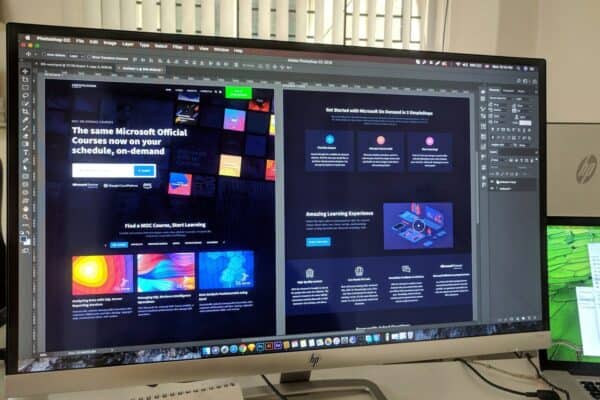
The Importance of UX Design in Web Development
User experience (UX) design plays a pivotal role in the success of web development projects. It focuses on enhancing user satisfaction through accessibility, usability, and pleasure when interacting with a product. A well-designed website attracts visitors and keeps them engaged, increasing the chances of conversion. In an increasingly digital world, where users have numerous options at their fingertips, UX design becomes important for both retaining existing customers and attracting new ones. Better UX leads to increased customer loyalty and brand reputation.
The Significance of UX Design
Effective UX design enhances usability, performance, and satisfaction. A website that is easy to navigate encourages users to spend more time exploring its features, increasing the likelihood of them returning. Poor design can frustrate visitors, leading to higher bounce rates and lost opportunities. Research shows that individuals often judge a website based on its aesthetics within seconds. A visually appealing site creates a positive first impression, which is crucial in a competitive online environment.
Given that an estimated 75% of users admit to making judgments about a company’s credibility based on their website design, getting it right is vital. Seamless UX can contribute to operational efficiencies by streamlining processes and reducing user errors. Companies in urban centers like Los Angeles can turn to professionals who specialize in UX design, such as those found at agency.uxplanet.org/los-angeles, to ensure their digital platforms connect effectively with their target audiences. Investing in UX design is not just about aesthetics; it’s a strategic move that can drive growth and long-term success.
Key Components of UX Design
There are several key components to effective UX design, each contributing to the user experience. User research is foundational and involves gathering insights from potential users about their needs and preferences. This helps designers create user personas to guide their choices. Information architecture is another crucial element, focusing on the organization of content to make navigation intuitive. Wireframes and prototypes allow designers to experiment with layouts and test usability before final development.
Testing and feedback loops are integral; obtaining user feedback enables designers to iterate and improve the design continuously. Visual design elements such as color schemes and typography affect user engagement and emotional responses. By integrating these components cohesively, web developers can craft compelling websites that resonate with users.
The Impact of Effective UX
Effective UX impacts a business’s bottom line significantly. When users find a site easy to navigate, they are more likely to engage with content, thereby increasing the chances of conversions. Studies demonstrate that improving UX can lead to a 400% increase in user engagement and retention. Satisfied users often become brand advocates, sharing their positive experiences through word-of-mouth and social media, which can attract new customers.
Reduced friction in user interactions can lower customer support costs, allowing resources to focus on growth and innovation instead. Companies that prioritize UX are often seen as industry leaders, establishing a positive reputation in their respective markets. The benefits of implementing a strong UX design strategy can resonate long after a project launch, impacting immediate sales and long-term customer relationships.
Challenges in UX Design
Despite its importance, several challenges can arise in UX design. Understanding user behavior is complex; what works for one demographic may not resonate with another. Limited budgets or tight timelines can constrain the UX design process, leading to shortcuts that compromise quality. Staying current with the latest design trends and technology can be demanding.
Developers may find it challenging to balance aesthetic appeal with functionality if there is pressure to sacrifice one for the other. As digital experiences evolve constantly, maintaining a user-centered design approach requires ongoing investment and commitment. Companies must be prepared to allocate adequate resources to overcome these challenges for successful results.

Fostering a culture that values UX design at all levels can enhance collaboration between teams and promote innovation. Recognizing and addressing these challenges upfront will strengthen the web development process, resulting in better outcomes for users and businesses alike.