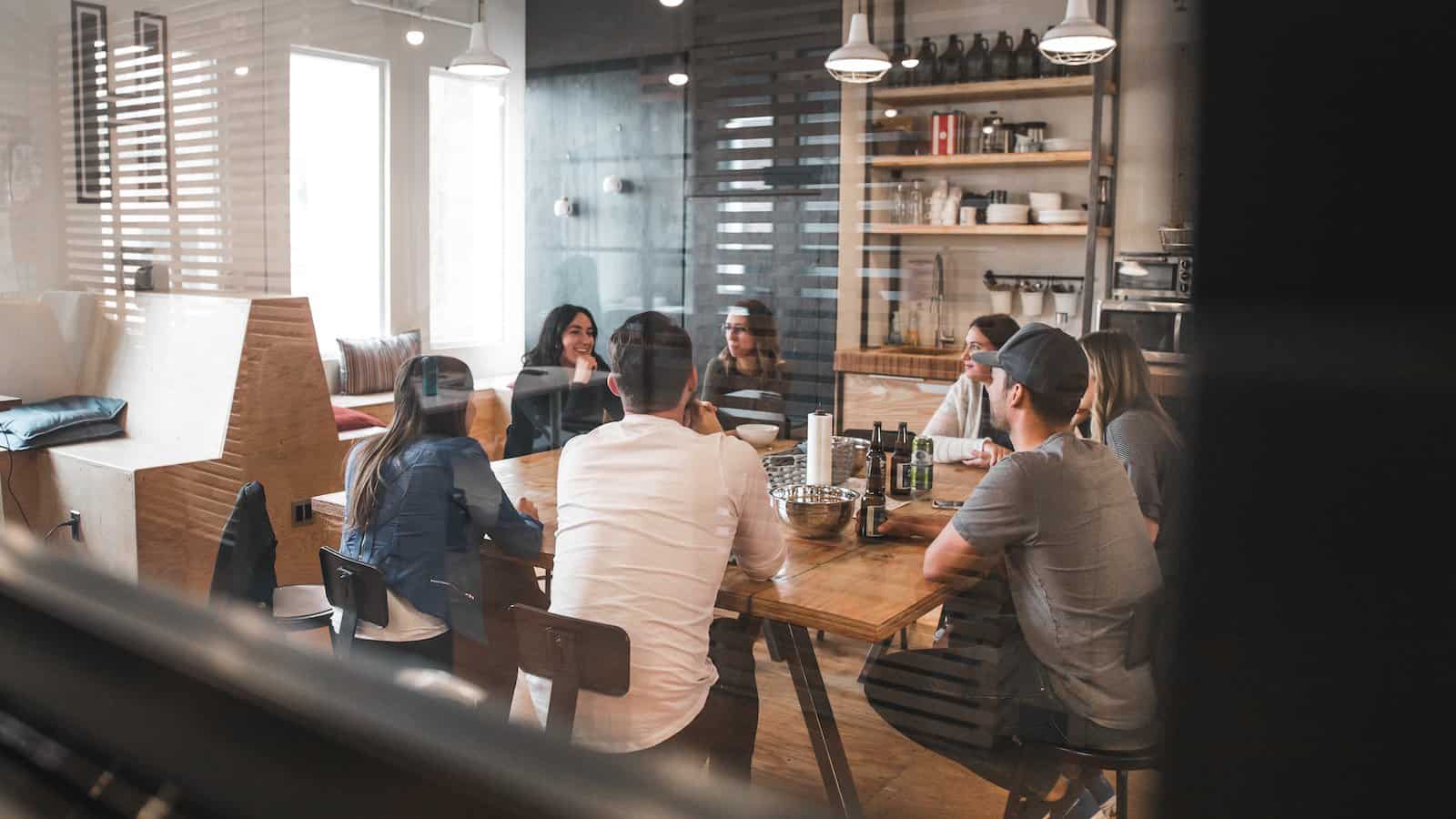
Equal hiring is becoming mainstream and workplaces are more diverse in almost every way. No company should discriminate against applicants because of their age, which is making workplaces highly unique in 2023. An aging population with more advanced health care is also bringing workers out of retirement to stay busy.
With potentially five generations inside one office building or Zoom meeting, multigenerational workplaces look a lot different than in years past. How do companies manage so many years of varied mindsets and work ethics to create a cohesive and amicable workplace?
What Is a Multigenerational Workplace?
It is a workplace dynamic that includes staff from multiple generations. The oldest working generation right now is the Baby Boomers, ranging around 50-70 years old. In descending age order, you have Gen X, Millennials and Gen Z. Gen Zers are in their early 20s and just starting to enter the workforce. After them will be Gen A, but it will be a few years before they’re a prominent face in offices.
There are even a few workers from the Silent Generation — also called Traditionalists — which ended around 1945. Today’s multigenerational workplaces are the most diverse age-wise, as pushing retirement into even later in life becomes more common.
That reality is the most prominent insight into multigenerational workplaces in 2023 — they’re a culmination of the most formative industrial, technological and social years of human history. The workers reflect this through their experiences and attitudes.
So, how do these generational dynamics manifest in the workplace? Does it help businesses to embrace wisdom from decades past, or is it hindering them from gaining fresh perspectives?
How Do Multigenerational Workplaces Perform Historically?
These company setups have the promise of bridging generational wisdom with fresh innovation. These assets should increase productivity and motivation among teams of all ages. But does this plan always come to fruition?
Everyone can reflect for a moment to analyze their generational assumptions. Millennials are entitled. Gen Xers are jaded. Baby boomers are out of touch. Everyone has heard one or all of these stereotypes before, and they’re toxic to multigenerational workplaces — especially when they’re generalizations that can’t embrace nuance. Multigenerational workplaces in 2023 will look different in this regard.
Overcoming these stereotypes is a vital effort inside and outside of the office. The mental change will translate from workplaces into community spaces to advocate for positive, productive change.
Each generation has different workplace priorities. A generation that started working during the COVID-19 pandemic wants flexible scheduling and work-from-home opportunities. Older generations want matching retirement plans and excellent health care to cover the inevitable costs of aging. Any enterprise might struggle to balance affording these benefits equally while addressing all concerns so morale doesn’t decrease. In 2023, more employers will understand this reality and adjust their benefit offerings and work-life balances accordingly.
How Can Modern Workplaces Bridge Generational Gaps?
The most compelling way to meld the generations is through technology. Older generations are typically more removed from apps and devices, while younger generations have invaluable intuition for tech navigation. Having millennial or Gen Z workers give training to older individuals can help younger people feel empowered in the workplace and advance their careers. It also increases the skills of older generations who would have otherwise gone without tech training.
Cross-mentorship options are also available for younger generations that need to hone their work ethic and concentration skills. Allow your staff to instruct about the topics that trended in their time — how they adapted to workplace innovations and responded to change gracefully.
When employers and team leads analyze strengths and weaknesses, they can also foster more positive, beneficial relationships between multigenerational demographics. Group work and team-building exercises help workers of all ages learn something from one another and bring equal value to a project. It prevents judgment or assumptions about age from impacting workplace value or experience, dictating their worth.
What’s to Come in 2023 for These Workplace Dynamics?
Everyone will develop mutual respect for one another if workplaces strive to highlight everyone’s capabilities equally. It’s critical to focus on both similarities and differences while respecting boundaries and not forcing any behaviors on any worker.
As quiet quitting and higher work standards plague younger generations, employers are vying for attention by “consumerizing” the work experience. Employers must work harder for employee loyalty, just as brands have to fight for customer dedication.
Younger workers are more likely to lobby for higher wages or more ethical treatment — a habit less common in older workers. Multigenerational workplace dynamics will change as older generations see these internal shifts and begin to follow suit to create wider-spread change.
It’s one of the ways that multigenerational workplaces will be symbiotic. Silent Generation trends will trickle down as Gen Z behaviors trickle up. Gen Zers won’t have as much time to work and be influenced by older generations, but it will be long enough to cause some shifts as they become future leaders, led by their driving motivation to make meaningful changes in the world.
Multigenerational Workplaces Are Here to Stay
More generations are working now than in years past. People are healthier, working longer and wanting more purpose in retirement, which is bringing them back out into offices. At the same time, the world’s youth is working alongside tenured professionals, giving them more opportunities to hear histories of workplaces past than their family members.
In 2023, it will be the time multigenerational workplaces become commonplace and overhauled. The mentality will be kinder and less judgemental as each generation provides value in their strengths.