What No One Tells You About Remote Freelance Design
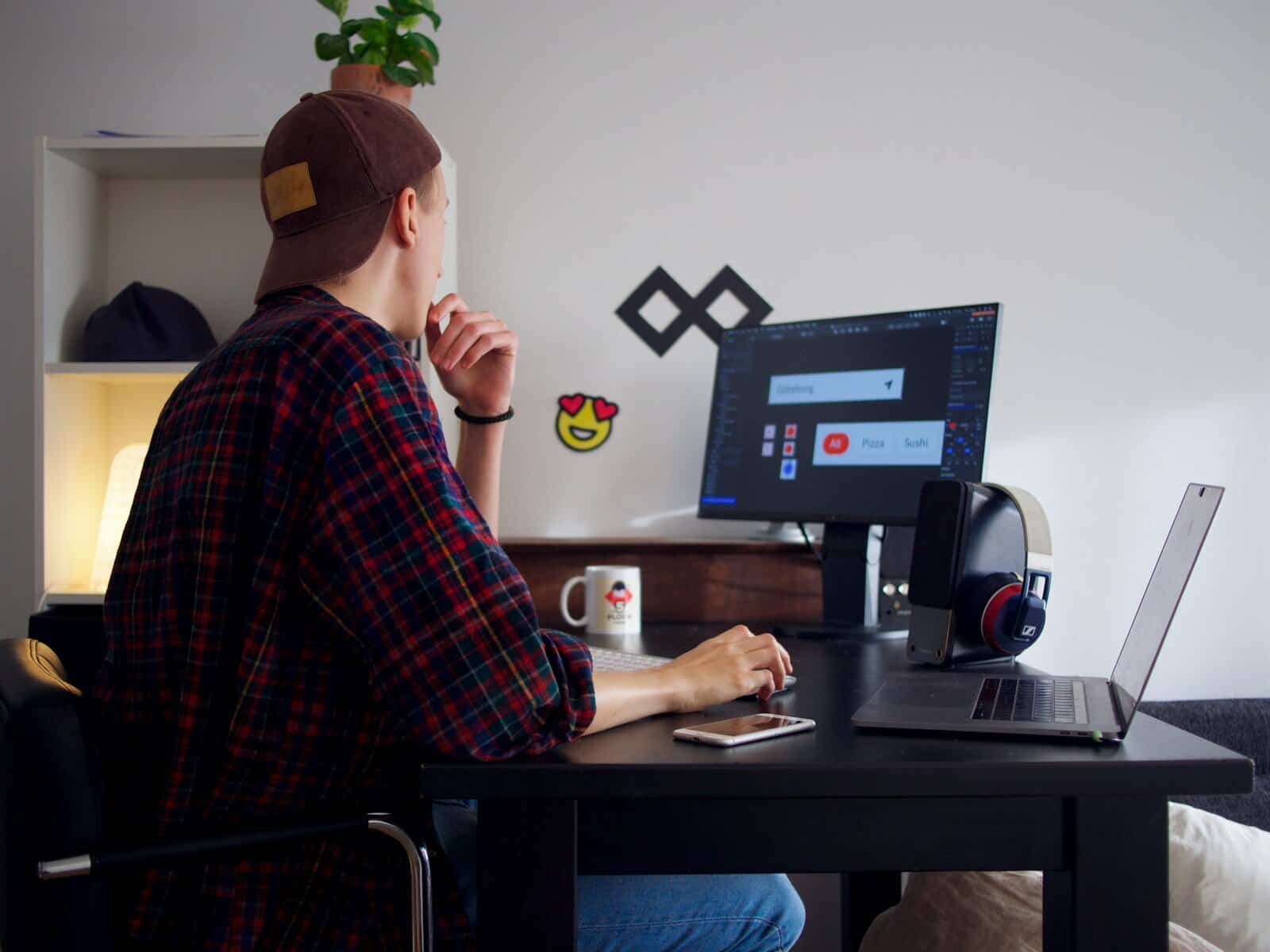
Freelancing comes with a lot of misconceptions. As a designer specifically, the bad news is that you won’t, in fact, be spending most of your time on creative pursuits for reasonable clients with exact expectations. Here are some harsh truths to consider before shifting to freelance, and what you can do to thrive in spite of them.
You’re a One-Person Business First, Designer Second
If there’s one thing working in-house is great at, it’s providing focus. As a freelancer, you get to whip your designer skills out only once you’ve gone through the tedium of looking for clients, jumping through selection hoops, and negotiating contracts. Oh, and you also have to be on top of invoices and taxes.
Exhausting Client Communication
Getting clients to explain what they really want is hard enough face-to-face. Now imagine having to deal with the vagaries of “making it pop” over disjointed chats that take days on end. Clients often don’t really know what they want. However, they DO know they don’t like what you presented just now, so another round of revisions is likely in order.
Schedule Inconsistency
Not knowing in advance how much work you’ll be doing in a given week is also frustrating. A client may have you spend an entire week on ad creatives or logo refinement. They’ll give you no work for the next week, and then hit you with a ton of new tasks in week three, since deadlines are fast approaching. Worst of all, you can’t easily fill those gaps with other work, since landing new clients takes time, even for short one-off projects.
Connection Anxiety
Not being tied to a single place is a frequently-touted freelancing perk. However, working from anywhere other than home, especially if you also enjoy traveling, can come with a lot of connection stress. What if the Wi-Fi at the nice café you frequent slows down to a crawl when you need to upload that 2GB PSD file?
Time Zone Troubles
The freedom to work for global clients from anywhere sounds great until time zone differences get involved. Having to attend meetings at 9 in the evening or waking up to several missed messages sent by micromanaging clients is never fun.
How to Adapt
While a reality check is welcome, it shouldn’t kill your enthusiasm for freelance work. Every annoyance mentioned above can be resolved or sidestepped if you adopt and stick to a process. You’ll have to hammer the specifics out as you learn from experience, but here’s what to do in general:
- Prepare connectivity alternatives – Say you’re traveling to Venice, don’t depend on public Wi-Fi. Instead, go for an alternative like an Italy eSIM to ensure you’re reachable and can work effectively even when traveling.
- Structure client feedback – Politely insist on clear communication and productive feedback from clients. Ask them to provide concrete references and have them discuss everything in one place.
- Set boundaries – Partially accommodate clients from different time zones with a few overlapping work hours, but make your availability clear otherwise. Enforce revision counts and document instances of work exceeding project scope.
- Plan for lulls – Keep a handful of long-term clients while continuously looking for leads. Save up to cover several months of expenses so you don’t have to resort to picking up sub-par clients.
- Treat security seriously – Always respect client confidentiality and the safety of your deliverables. Communicate through secure channels, use encrypted cloud storage, and never do work from unsafe networks like public Wi-Fi without the best VPNs shrouding your connection.
Conclusion
Remote freelance design is a lot smoother once you accept the trade-offs and build around them. Treat your workflow like a system: stable connectivity, clear feedback loops, firm boundaries, and basic security. Do that, and the chaos stops running your week. You get more control, better clients, and steadier work.