Your Website Makes the First Impression: Why Good Web Design is Crucial for Businesses
Websites are the predominant part of the accessible internet; when you’re conducting research to find relevant articles or shopping online on Google, you will find an endless number of pages that have answers to your questions and requests. Also, you might spend the most time on a website that has a user-friendly and accessible interface, where you can easily find what you need. You may even consider becoming a loyal visitor to the page, thanks to its structure and because you feel attracted by colours and visuals. In fact, all these aspects are related to web design, and the same positive experience you might have as a user should be reliable for your customers, too. In this article, you can find the core principles of web design and the reasons why it’s crucial for your business:
The Principles of Web Design
The website design is often associated with the visual appearance. That’s partially true, but a good web design serves more purposes that go beyond the aesthetics. For instance, these are some core principles of website design you should know:
- Simplicity: simply put, simplicity is the key. Make sure you opt for a simple design and structure.
- Consistency: for an enhanced experience for visitors, use the same design schemes, fonts and features.
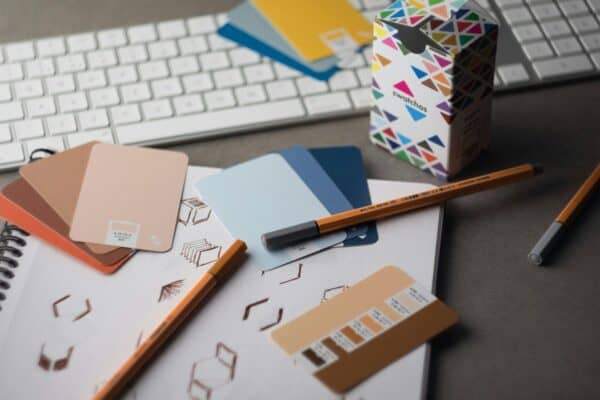
- Colour: the colour palette of your website can evoke emotions and influence the users’ actions.
- Typography: keep your content readable with standard fonts, and do not mix more than 3 typos.
- Communication: use simple, understandable and friendly language to communicate with your audience.
- Navigation: a user-friendly interface can make navigation easier and faster.
Web Design Reinforces Your Brand Identity
Web design reflects your brand’s values and identity. Through your website, you can express who you are, deliver a clear message to your audience about your mission and vision and create a design that resonates with your personality. For instance, these are the main aspects you should consider:
- Colour palette: the colour palette you choose for your web design must reflect the feelings you would like to transmit to the visitors. For instance, you can follow the colour scheme of your logo to raise awareness of your brand or use bright colours like yellow to transmit happiness and friendliness, red as a symbol of passion and determination, or blue for serenity.
- Typography: typography is also another way that reflects your brand’s voice. For instance, if you’re selling luxury products, you might want to choose an elegant typo, or, on the other hand, if you’re targeting Gen Z youngsters, you can use a playful one, or for B2B services, you should opt for a formal typography.
- visuals: Animations, videos, infographics and images can elevate the user engagement and tell them who you are. You can integrate funny memes to hop on the new trends or keep your website more formal providing your audience with useful tutorials.
Reaches Target Audience
A good web design is an effort that can bring you to the right path to reach your target audience. The accessibility, user-friendly interface, engaging content and great SEO can help you achieve a broad audience from all over the world. Also, with a well-put-together website, you can access different data collection services so that experts can help you identify the right strategies for your business to attract new customers and globalise your brand. Collecting data and analysis are essential in order to understand your audience and their needs, take efficient steps to provide them with the answers to their questions, and reveal new opportunities on the market.
Improves User Experience
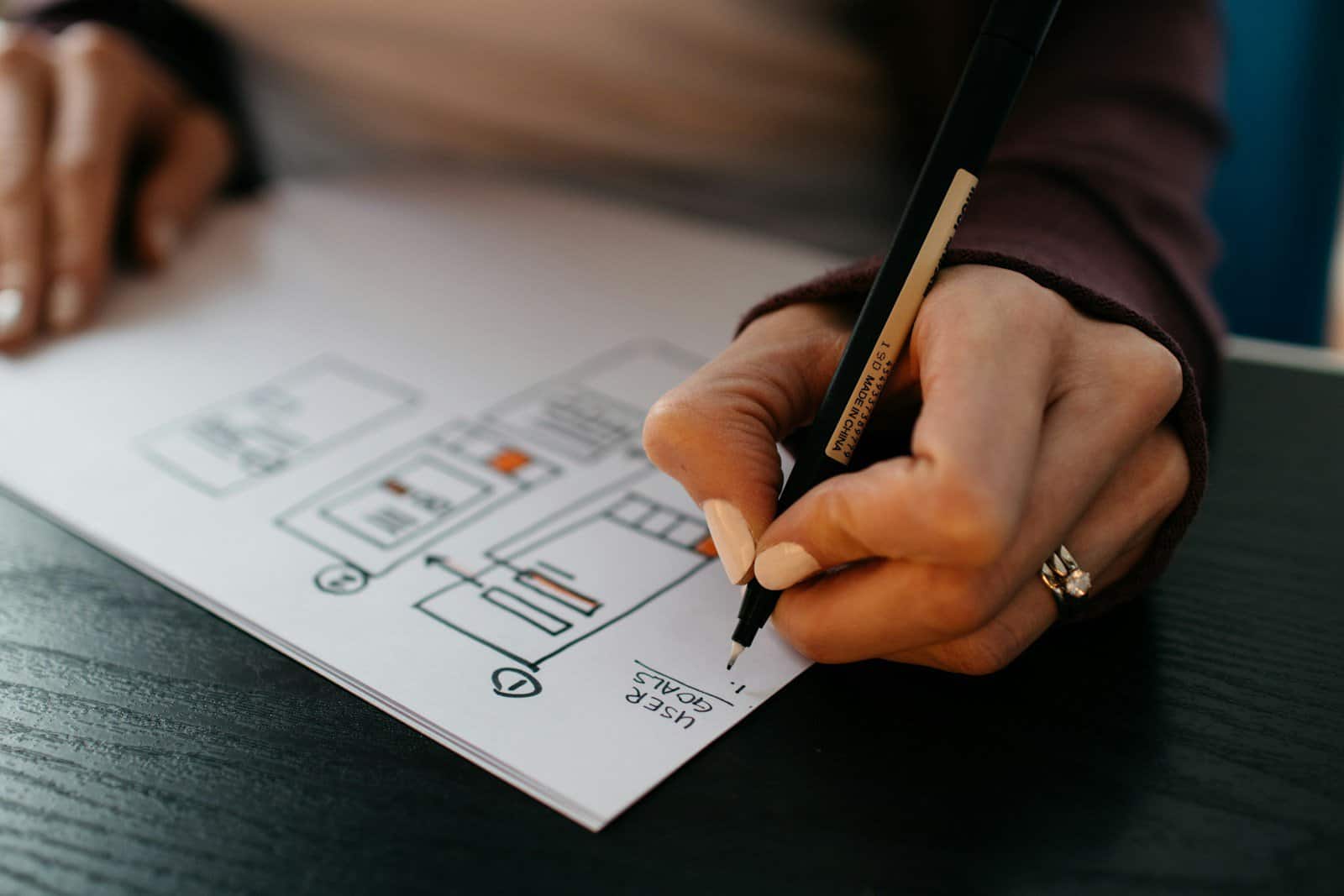
As we mentioned before, it’s vital to design a simple and efficient interface in order to improve user retention. The structure of your website should be strategically thought out so you can provide the essential tools and features that can make navigation easier. For example, you should focus on creating accessible sections with useful information. For example, you can opt for a simple structure:
- Homepage: it’s the first page your audience interacts with when accessing your website, so make it visually appealing and relatable introducing your mission and goals.
- E-shop: you can give your visitors the opportunity to purchase your products and services with a few clicks.
- About: tell your brand’s story using easy words, so that you can create an emotional connection with your audience.
- Contact: be accessible 24/7 to answer your client’s concerns and questions, listen to their ideas and build trust.
It Leverages Content Marketing
A well-functioning website is the engine for content marketing. Creating helpful and well-written content is essential to drive your audience’s engagement, so your articles and posts need to be easy to find on your website. To make the users’ experience more engaging, you can also integrate call-to-action links and buttons to drive their decisions and create an overall digital landscape that’s visually pleasing and highlights your content efficiently.
Boosts SEO
A simple structure for your website can make Google’s scanning process easier, so it can vote on the trustworthiness of your page. Additionally, focus on the content you write, integrate relevant keywords for your field, and make the texts readable to naturally improve Google metrics like click-through rates. The search engine also takes into consideration the growing influence of brands, so you can integrate social proofs like testimonials, reviews, case studies, infographics and ratings to improve your place in the search engine results.
The Bottom Line
Your website makes the first impression, so eye-catching colours, a great structure that makes navigation easier, and an overall user-friendly interface can build trust between your brand and potential customers. As you might understand, web design goes beyond aesthetics, as it can help your company reach the top 3 on Google and be a winner in the competitive digital market.