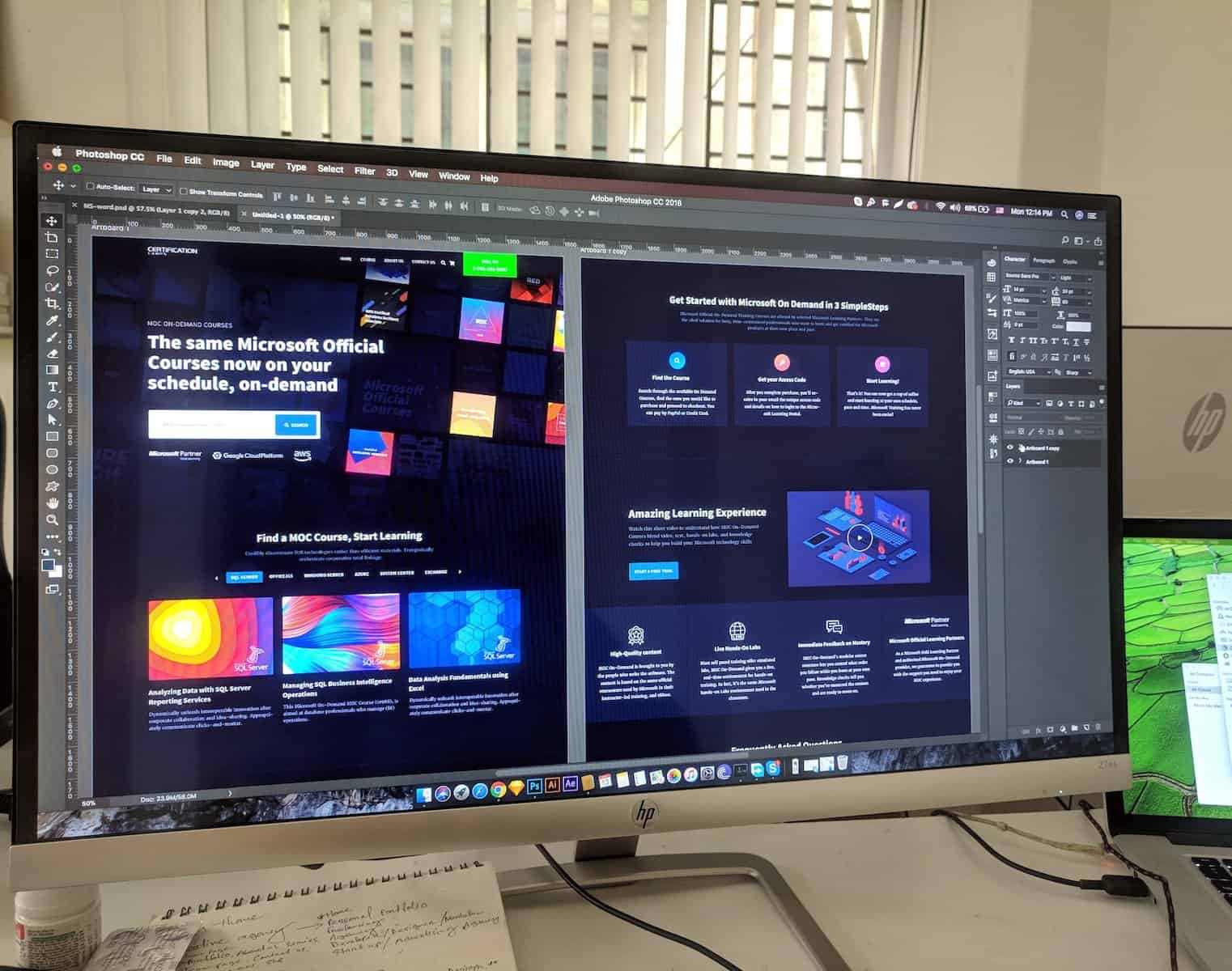
Over the past year, Artificial Intelligence technology has considerably improved, and AI tools like ChatGPT and Bard have taken over the digital landscape. AI has found applications in every field, including web design.
Traditional web design takes several weeks. You must develop code for an entire website and beta-test it for any errors. AI web design expedites your process: you can develop an error-free website within days. If you’re a web designer or a business owner looking to start a website, you must know about these innovative AI applications:
1. Web Design Automation
It is now possible to automate your website design using artificial intelligence. An AI website builder can streamline the web design process efficiently and speed up the website building process. Traditionally, you would spend much time building a template from scratch or heavily customizing one manually. However, AI website builders have many presets requiring minimal tweaking to fit a business’s brand identity. Art AI generators make branding even more straightforward: you just input the brand colors, logo, and preferences, and it will design a template for your website within minutes.
AI can also help in deciding the website’s layout. You just need to tell it what content you will host on your website and the relevant user engagement data, and it will create the perfect website layout for your business. Through AI, you can ensure that your website is aesthetic and readable, which will help drive user engagement.
Usually, website developers have to optimize a phone website once they have created one for desktops. AI–powered website builders can help optimize your website for mobile phones automatically and eliminate the need for manual coding.
2. Content Generation
AI doesn’t just build you a website; it can also generate different types of content. For example, you can use Natural Language Generation (NLG) algorithms to generate human-like text. This can help you create engaging blog posts and articles for your website. AI-generated text can help you write product descriptions for hundreds of products in little time, while human writers can take days.
However, AI-generated content has a repetitive syntax, and tools can detect it now. Make sure you hire human editors to reduce its monotony, fact-check all claims, remove repetition, and add a splash of human creativity. AI can also help you choose the right pictures for your website. If you cannot find a suitable stock image, you can get AI tools like Midjourney to make one according to your needs.
3. Search Engine Optimization
Search engine optimization (SEO) is crucial for any website to increase its reach. It is a set of practices that rank your website on a search engine’s results page, making it discoverable by more users.
Using the right keywords is a significant part of SEO optimization. Previously, you would need to manually analyze hundreds of possible keywords for their search volume. But AI can identify the best keywords to use instantly. Natural Language Processing (NLP) algorithms go a mile ahead and also interpret the context of keywords within text so you can incorporate keywords where relevant in a natural manner.
AI also analyzes your content to assess its SEO quality. It can determine how readable or relevant your content is and provide you with recommendations for improvement. The more readable and relevant your content is, the higher it will get ranked in the search algorithm.
Artificial intelligence can also identify topic clusters within content, assisting in creating comprehensive, authoritative pieces that cover a range of related subtopics. Backlinking is crucial to SEO. The more interlinked your website’s pages are with each other, the better it will be ranked in search algorithms. You can use AI tools to perform backlinking analysis to detect the quality of your linking structure. They can also identify broken, toxic, or spammy backlinks that hurt your SEO.
4. Personalization
Your website should be personalized for visitors to increase its engagement times and stay memorable for its users. Artificial Intelligence can help you personalize and tailor your website according to the traffic by assisting with user behavioral analysis. AI-driven systems collect and analyze extensive user data, including browsing history, click patterns, time spent on pages, and previous interactions with the website.
Through machine learning approaches, an AI algorithm can recognize when a user visits your website the most and what kind of posts they interact with. You can determine how a user behaves through this data and adjust your website in real time. For example, if your data suggests that a user prefers technology articles, your website can prioritize showing them tech articles.
When you go to an e-commerce site, do you notice how it recommends products to buy? That is also an application of AI: its algorithm analyzes user behavior and finds similar content to suggest to them. Using AI in this manner becomes a prominent lead retention strategy and increases the business’s revenue.
5. Accessibility
All sorts of people with varying accessibility needs visit your website, and you need to implement best practices to retain them. For example, a visually impaired person will need text-reader services on your website.
AI can make your website accessible to everyone in different ways. For instance, AI accessibility tools can audit websites for compliance with accessibility standards, such as WCAG (Web Content Accessibility Guidelines). These allow you to find different avenues for improving your website’s accessibility.
AI-driven adaptive design provides individualized accessibility. You can use adaptive design to dynamically adjust font sizes, contrast ratios, and navigation options based on user preferences or contextual clues. For example, it can increase contrast in bright outdoor settings and dim it indoors. Through adaptive design, you can also integrate voice commands and gesture controls into your website, allowing individuals with motor impairments to navigate your website easily.
Endnote
Imagine if you can make a website within one day. For most web designers, even entertaining such an idea is crazy. Yet, as AI technology improves, you can make a website within a day or even a few hours.
However, AI’s applications in web design aren’t limited to just building a website. You can use it to generate marketing content, optimize your SEO, personalize your website, and improve accessibility. The opportunities are endless: you’ll find that you can save time and improve efficiency by using AI in your web design!