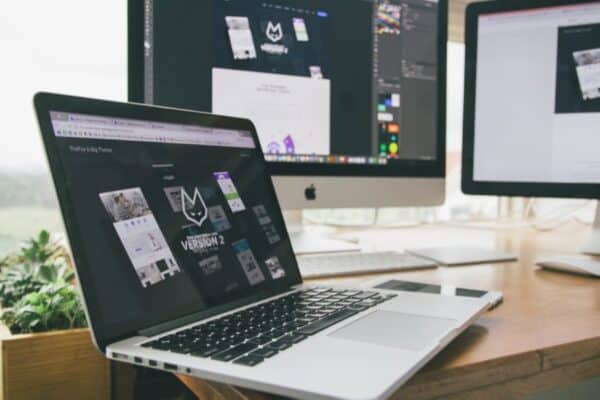
How Modern UI Design Is Shaping the Way Users Experience Digital Products

Scroll through any modern design gallery and one thing becomes obvious very quickly: UI design today is less about decoration and more about intention. Interfaces are cleaner, calmer, and more focused than they were just a few years ago. But behind that visual simplicity sits a much deeper shift in how designers think about digital products and user behavior.
Teams working across web and mobile, including experienced studios like a ui design agency, are moving away from trend-driven visuals and toward systems that support clarity, trust, and long-term usability. This evolution is changing not only how products look, but how they feel to use on a daily basis.
For designers browsing inspiration platforms, it is worth understanding why modern UI looks the way it does and what principles are shaping the best digital experiences today.
The Quiet Move Away From Visual Noise
For a long time, digital interfaces tried to impress users through complexity. Heavy gradients, aggressive animations, dense dashboards, and overloaded screens were often seen as signs of sophistication. In practice, they did the opposite. Users felt overwhelmed, unsure where to focus, and fatigued by constant visual stimulation.
Modern UI design has reacted by removing friction rather than adding flair. White space is no longer empty space. It is an active design element that gives content room to breathe. Typography has become more restrained, with fewer font styles and clearer hierarchies. Color is used with purpose instead of decoration.
This shift does not mean interfaces are boring. It means designers are prioritizing cognitive comfort over visual noise. The result is an experience that feels confident rather than loud.
Why UI Inspiration Is Now About Systems, Not Screens
One of the biggest changes visible across design inspiration platforms is the move from isolated screens to cohesive systems. A single beautiful screen is no longer impressive if it cannot scale across an entire product.
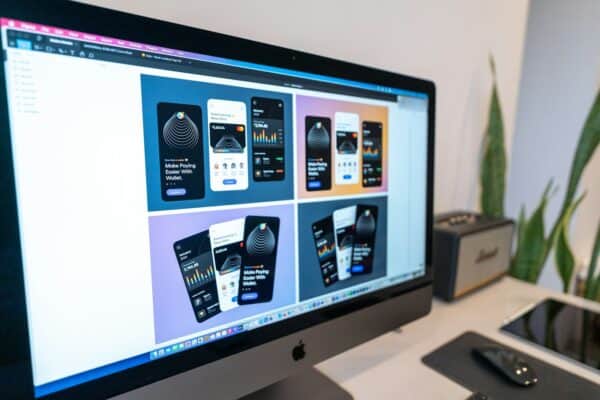
Modern UI design focuses on consistency across flows, states, and interactions. Buttons behave the same way everywhere. Spacing follows clear rules. Components adapt predictably across devices. This system-driven approach allows products to grow without losing coherence.
Design inspiration today often comes from noticing how elements repeat gracefully across different contexts. The beauty lies in restraint and structure rather than novelty.
The Role of Emotion in Minimal Interfaces
Minimal UI does not mean emotionless UI. In fact, modern interfaces often feel more human precisely because they are simpler. When distractions are removed, subtle emotional cues become more noticeable.
Microinteractions, gentle transitions, and thoughtful copy guide users without demanding attention. Feedback feels reassuring instead of intrusive. Motion is used to explain changes rather than entertain.
Users may not consciously notice these details, but they feel the result. The product feels calm, trustworthy, and intuitive. That emotional comfort is what keeps people coming back.
Accessibility Is Shaping Visual Trends
Accessibility is no longer a secondary consideration. It is actively influencing how modern UI looks. Larger font sizes, stronger contrast, clear focus states, and predictable navigation patterns are now part of mainstream design aesthetics.
Designers are realizing that accessibility constraints often lead to better visual clarity for everyone. Interfaces that are easier to read, easier to scan, and easier to navigate perform better across all user groups.
This is one reason why many contemporary designs appear simpler and more structured. Accessibility is quietly setting new visual standards.
Why Inspiration Platforms Matter More Than Ever
Design inspiration sites have evolved from trend showcases into learning tools. Designers no longer browse them just to copy styles. They analyze why certain layouts feel balanced, why spacing works, and how visual hierarchy guides behavior.
When used thoughtfully, inspiration becomes a way to sharpen judgment rather than replicate visuals. The goal is not to recreate what you see, but to understand the thinking behind it.
Modern UI design rewards designers who can translate inspiration into context-aware decisions rather than surface-level imitation.
Common UI Patterns Defining Modern Digital Products
Across many of today’s best interfaces, a few patterns consistently appear:
- clear primary actions with minimal competition
- restrained color palettes with one strong accent
- generous spacing that improves readability
- typography-led layouts instead of heavy visuals
These patterns are not trends in the traditional sense. They are responses to user behavior, screen fatigue, and the realities of how people interact with digital products throughout the day.
UI Design as a Product Strategy Tool
One reason UI design has become so influential is that it now directly shapes product outcomes. A well-designed interface reduces onboarding friction, lowers support costs, and improves feature adoption without adding complexity.
In many successful products, UI design decisions drive business results more than feature additions. Simplifying navigation, clarifying calls to action, or improving visual hierarchy can unlock growth without rewriting the product.
This is why UI is no longer treated as a finishing layer. It is part of strategic product thinking from the very beginning.
Inspiration Without Context Can Be Dangerous
While inspiration is valuable, copying visuals without understanding context can cause problems. A layout that works beautifully for a marketing website may fail inside a complex dashboard. A minimal interface can become confusing if information density is required.
Great designers use inspiration as a reference point, not a blueprint. They adapt ideas to user needs, business goals, and technical constraints. Context always matters more than aesthetics alone.
This is especially important as AI-generated layouts and template-driven designs become more common. Judgment and experience remain critical.
The Future Direction of UI Design
Looking ahead, UI design will likely become even calmer and more intentional. As AI takes over more background processes, interfaces will need to explain less and reassure more. Simplicity will continue to be a competitive advantage.
Designers will focus less on novelty and more on long-term usability. Products that feel stable, predictable, and respectful of the user’s attention will stand out in a crowded digital landscape.
Inspiration platforms will continue to play an important role, not as trendsetters, but as mirrors reflecting where design thinking is heading.
Final Thoughts
Modern UI design is no longer about impressing users at first glance. It is about earning trust over time. The best interfaces feel obvious, calm, and purposeful. They guide without forcing, explain without overwhelming, and adapt without calling attention to themselves.
For designers exploring inspiration today, the real lesson is not what something looks like, but why it works. Understanding that difference is what separates good UI from great digital experiences.