The Importance of Simple, Human-Centric Designs in Modern Websites
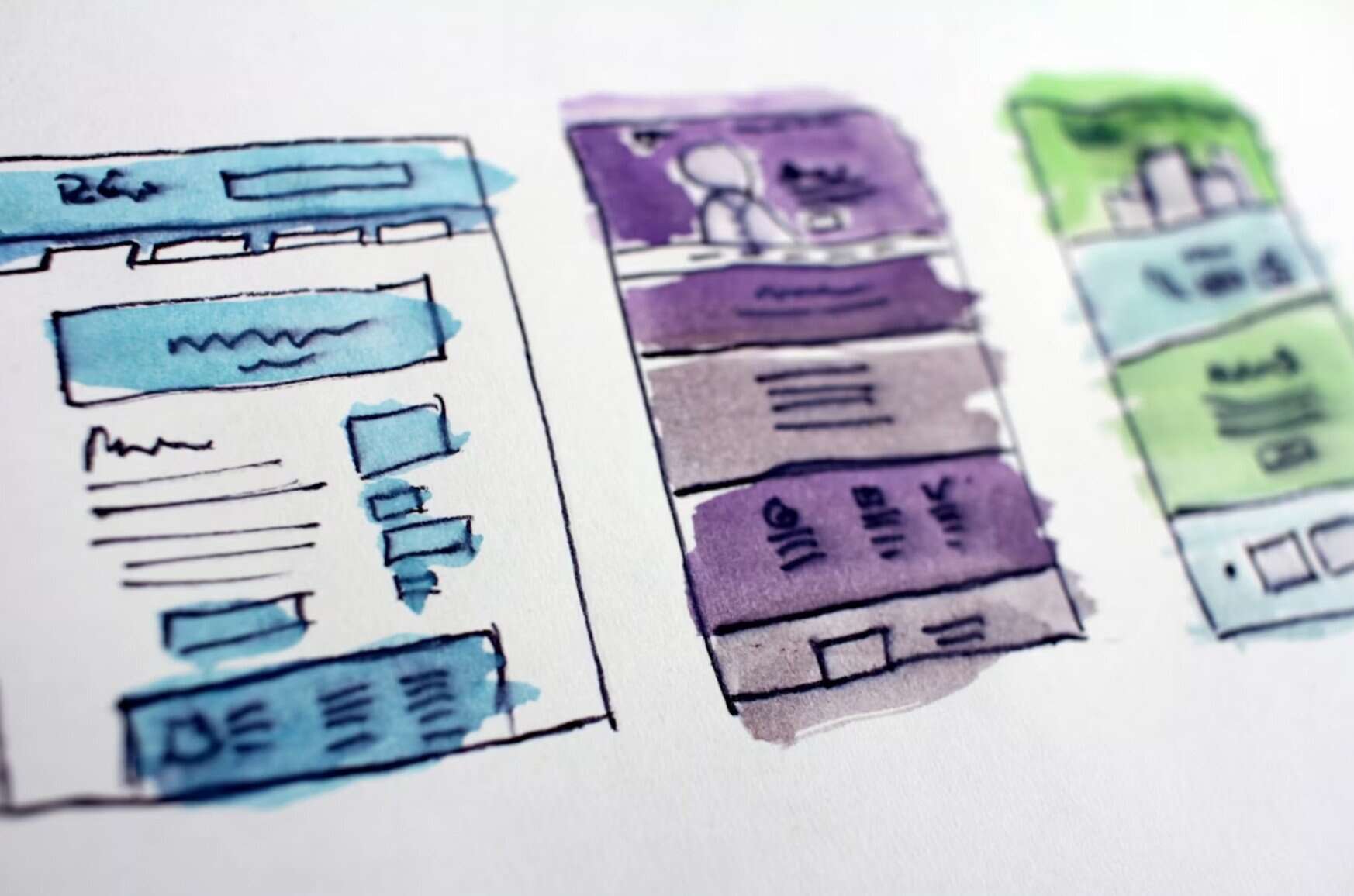
Modern websites serve as the digital front doors of businesses, organizations, and personal brands. They shape how visitors experience a company and decide whether to stay engaged or leave.
Currently, people’s attention spans are shrinking. This, in turn, is giving rise to digital fatigue. Under such circumstances, simplicity has become a powerful design principle. Hence, a human-centric approach ensures websites remain accessible, engaging, and respectful of users’ time and needs.
Rather than overwhelming visitors with flashy visuals or endless pop-ups, thoughtful design choices create meaningful interactions that foster trust and long-term loyalty.
Why Simplicity Matters in Design
Web design has evolved from cluttered layouts packed with animations to sleek, minimalist aesthetics or experiences. A simple interface reduces friction and ensures users can find what they need quickly. When content is clear and navigation is intuitive, visitors stay longer and engage more deeply.
Simplicity also enhances accessibility. Not everyone has high-speed internet or advanced technical skills. Human-centric designs accommodate diverse users, including those with disabilities. By prioritizing clarity and usability, websites become inclusive spaces rather than exclusive ones.
Human-Centric Design Should Not Be Addictive
There is a fine line between engaging users and exploiting their attention. Addictive design elements like endless scrolling or constant notifications may boost metrics in the short term, but they harm users over time. Responsible web design avoids manipulative tactics and instead encourages balanced digital experiences.
Social media platforms provide a cautionary tale. The Facebook lawsuit and other social media addiction lawsuit cases highlight the negative consequences of addictive design. Many claims involve social media mental health lawsuit issues tied to Facebook addiction.
According to TorHoerman Law, social media addiction has led to young adults suffering problems related to mental health, eating disorders, and body image. These social media addiction cases further show how persuasive digital designs can cross into harmful territory.
Websites should therefore embrace human-centered values that enhance lives instead of undermining them.
Building Trust through Human-Centered Choices
Visitors often judge a website’s credibility in seconds. Complex or confusing layouts can erode trust before a word is read. A clean design paired with transparent messaging reassures users that the brand respects their time and privacy.
Human-centric design goes beyond aesthetics; it values empathy. Choices like readable typography, responsive layouts, and honest calls to action show that a brand places people over profit. This approach resonates with today’s digital audience, which increasingly seeks authenticity online.
The Role of Emotional Connection and Balance
Great design does more than deliver information. It evokes emotion. A thoughtfully chosen color scheme or imagery can create calm, excitement, or confidence. Human-centric websites take these details seriously, using them to form bonds with visitors.
Emotional design also helps with retention. When users feel a website understands their needs, they are more likely to return. This relationship-building is what turns casual visitors into loyal communities.
Also, new technologies often tempt designers to push boundaries. Augmented reality, immersive animations, and complex interactions can add excitement, but they also risk alienating users. Innovation is valuable when it supports user goals.
A simple design does not mean a boring design. It means intentional design. The challenge lies in blending creativity with restraint. The most successful websites showcase cutting-edge ideas while ensuring users feel comfortable and in control.
Accessibility as a Core Principle
Human-centric design cannot exist without accessibility. Websites must serve people with varying levels of ability. Screen reader compatibility, alt text for images, and thoughtful color contrast make a site usable for everyone.
Accessibility also has practical benefits. Search engines reward websites that follow best practices for usability. More importantly, businesses show that inclusivity is not an afterthought but a commitment to every potential customer.
How Simple Design Improves Performance
Beyond user experience, simplicity benefits website performance. Pages with fewer elements load faster and require less bandwidth. A clean layout reduces the risk of technical errors and enhances security.
Faster websites rank higher in search results and improve conversions. When visitors experience seamless interactions, they are more likely to trust the brand and make purchases. This proves that good design is not just about looks. It is also about functionality.
FAQs
Why is simplicity important in web design today?
Simplicity matters because users now face information overload. Clean, intuitive websites make navigation easy and enjoyable. They prevent cognitive fatigue and respect the limited time people spend online. A simple design also improves performance, accessibility, and trust, creating a lasting positive impression for visitors.
What does human-centric design mean in practice?
Human-centric design prioritizes empathy and user needs over flashy visuals or manipulative tactics. It involves thoughtful typography, clear navigation, and authentic communication. It means creating digital spaces that respect people’s emotional and practical requirements, ensuring inclusivity and comfort for all who engage with the website.
How does design affect trust between brands and users?
Trust is shaped by first impressions. When websites look cluttered or manipulative, visitors lose confidence. A clear and honest design signals credibility. Transparent messaging, easy navigation, and empathetic features help build lasting trust, making users more likely to return and engage deeply with the brand.
The future of web design is not about complexity. It is about creating digital experiences that honor humanity. Simple, human-centric designs empower users to navigate easily, connect emotionally, and feel respected while online.
In a digital age filled with noise, simplicity remains the most powerful tool for meaningful engagement.