
Coffee enthusiasts are always seeking the ideal espresso, and many of them turn to the internet to buy.
Just look at the statistics. Approximately 12% of US coffee drinkers buy their coffee online. Online coffee sales are also expected to yield a staggering compound annual growth rate of 9.9% between 2021 and 2028.
In other words, coffee companies must also establish a robust online presence. That means, apart from having a good social media plan, they should also have an excellent SEO strategy for coffee websites.
This post will cover five critical search engine optimization tactics you should follow as part of your SEO strategy to boost your site’s online visibility.
1. Perform Keyword Research
Keyword research is the process of identifying popular web search terms and phrases. It helps you discover what words and phrases your target audience uses when doing their online research.
Creating content that targets these relevant keywords can boost your search engine rankings. However, you must still check some key indicators to determine the best keywords to incorporate into your content naturally. Here are some important metrics to look at:
- Search Volume: This measure shows how often a term is searched each month. High-volume keywords may have greater traffic but also more competition.
- Keyword Difficulty: Term difficulty measures how hard it is to rank for a term in search engines. Higher scores indicate more difficulty on a 0–100 scale. Choose keywords with difficulty that reflect your website’s authority and resources.
- Relevance: Choose keywords that match your website’s content, goods, and services.
- Search Intent: This is the main goal of a user when typing a query into a search engine. Are they looking for the answer to a question, do they want to make a purchase, or do they want to visit a specific website?
- Click-Through Rate (CTR): CTR is the proportion of search results visitors that click on your website’s link. High CTR means your title and meta description are appealing and relevant.
- Seasonality: Consider whether certain keywords experience seasonal fluctuations in search volume. Adjust your keyword strategy accordingly to capitalize on seasonal trends or maintain consistency throughout the year.
You can conduct keyword research using tools such as Google Keyword Planner or SEMrush. These tools can provide some of the valuable insights about keywords I mentioned above. Here’s a sample of the specific data provided by SEMrush.
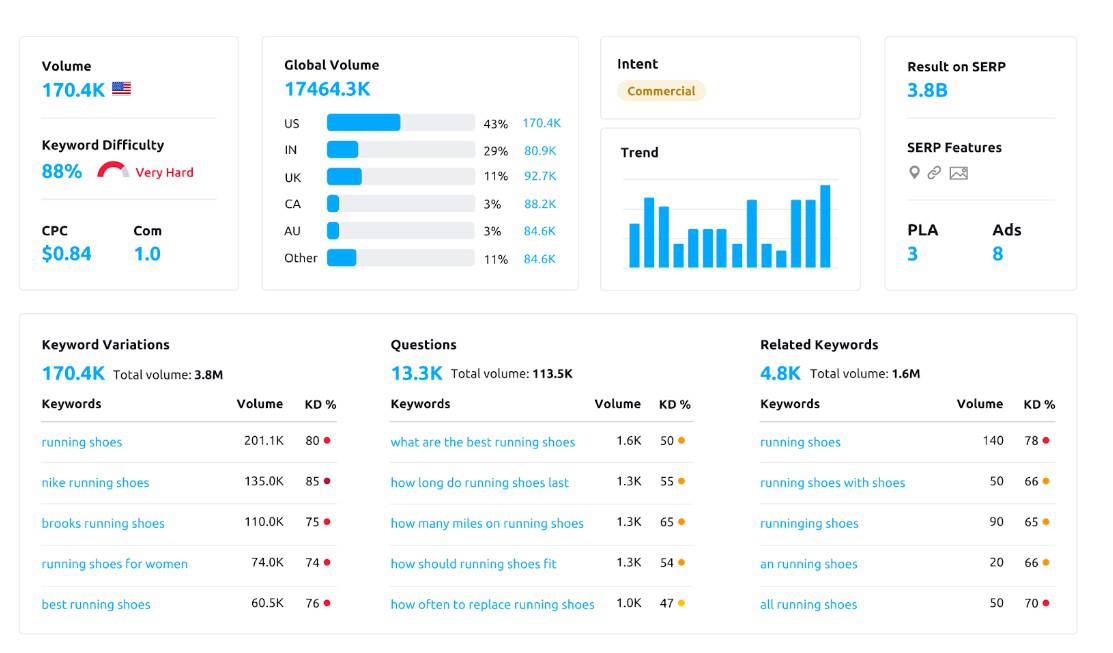
You can also use Google Search Console to help you track your CTR.
Another option is to study your competitors’ websites and search trends to discover popular keywords in the coffee industry. That can help you to better understand the current market and refine your keyword strategy accordingly.
A good SEO strategy for coffee websites incorporates keyword research. Without the right keywords, your content isn’t likely to appear in search engine results pages even when someone makes a relevant query.
2. Optimize for Mobile Users
Did you know as of 2024, 60.67% of website traffic came from mobile devices? That’s why you must ensure your coffee website is optimized for mobile users. Besides, a site that’s optimized for mobile delivers a seamless and intuitive experience to potential customers. User experience is crucial to SEO. This is probably why mobile-friendly sites, as Google itself admits, show up higher in search results.
To ensure your website is easy to use on mobile devices, use a responsive web design approach. In other words, your website should adjust to different screen sizes, including smartphones and tablets. Cafely, for example, does an excellent job here. Check out how the website adapts depending on the device used:
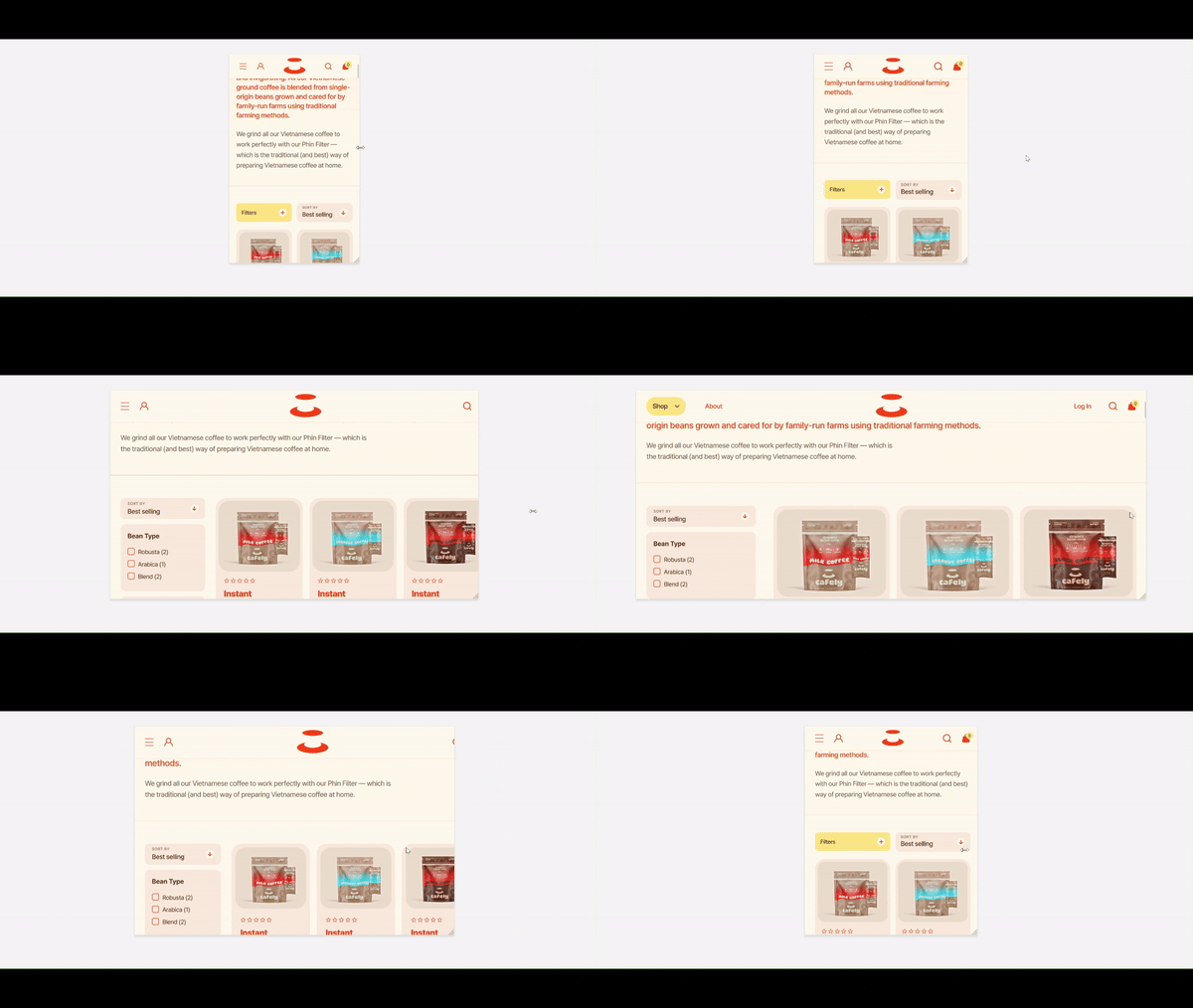
To ensure a responsive web design, you’ll need media queries in CSS, fluid images, and flexible grids and layouts.
Also, simplify your website’s navigation for mobile users. Use a clear and intuitive menu structure. You can also add a hamburger menu icon for mobile devices to save screen space.
Furthermore, optimize your website’s loading speed for smartphones and other mobile devices. Use responsive images and lazy loading techniques to ensure that media content loads quickly and efficiently on mobile devices.
Use font sizes and styles that are easy to read on smaller screens as well. Avoid using tiny fonts that require users to zoom in to read content. Aim for a font size of at least 16px for body text.
Similarly, ensure that buttons, links, and other interactive elements are large enough and spaced adequately to accommodate touch input. This helps prevent accidental clicks for mobile users.
Finally, you can test your website’s mobile optimization across various devices, screen sizes, and browsers to ensure consistent performance and usability. Use tools like Google’s Mobile-Friendly Test and browser developer tools for testing and debugging.
3. Make Use of Local SEO
Local SEO is a powerful tool for enhancing a website’s visibility in local search results. The objective is to attract customers from specific geographical areas.
The first step to implementing a local SEO strategy is to claim and optimize your Google My Business listing. Your company will then appear in local search results and on Google Maps, thereby increasing its exposure to local customers in your area.
Make sure your company’s address, phone number, website URL, and working hours are accurate. You should also encourage customer feedback. Positive reviews can enhance your reputation and impact local search rankings.
If your business operates in multiple locations, create landing pages for each area. Additionally, verify your business’s listing in local directories, review sites, and industry platforms. We’ll talk more about this later. Suffice it to say that it’s crucial to maintain consistency in Name, Address, and Phone Number (NAP) across all platforms
Finally, you can also use Local Structured Data Markup to help search engines understand your content better. Use schema.org structured data to mark up your website and increase your chances of appearing in local search results.
4. Create High-Quality and Engaging Content
Search engines, such as Google, tend to give greater weight to websites that offer valuable and relevant content. So, consistently producing quality content can help improve your website’s visibility and ranking in search engine results pages (SERPs).
Creating high-quality content for a coffee website is all about displaying the unique offerings of your brand while providing value to your audience.
One way to do that is by writing blog posts or creating videos that educate your audience on different coffee topics. These can include brewing methods, coffee bean varieties, roasting techniques, and even coffee origins. You could also talk about topics like the health benefits of a cup of coffee or coffee culture around the world. Why not offer traditional and creative coffee recipes?
Hosting polls or contests related to coffee can also be a fun way to increase user engagement and time spent on your site, which can positively influence your SEO. You can even have a coffee-related quiz. Like this one below:
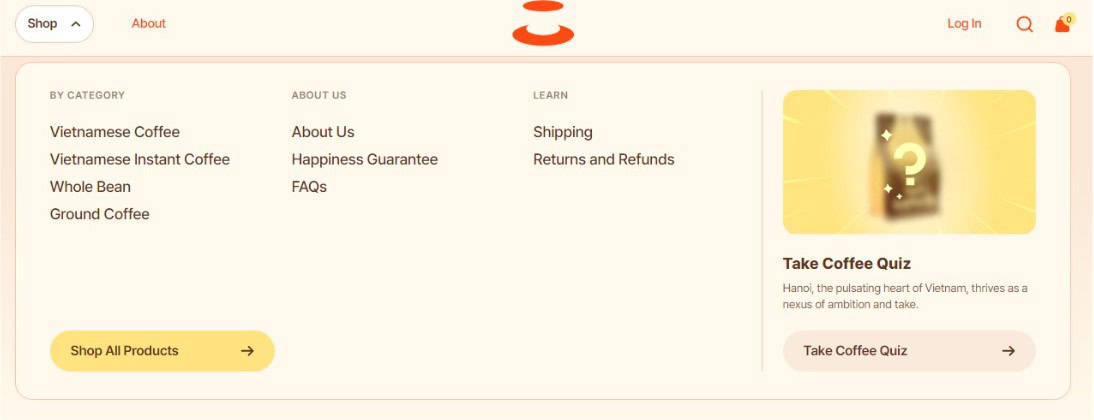
Lastly, use visually appealing graphics like infographics to convey information about coffee in an engaging way. Visual content tends to be more shareable and can help attract attention on social media platforms. The social signals these types of content create can indirectly influence your SEO efforts in a positive way.
5. Build Backlinks and Citations
Building backlinks and citations can enhance your website’s authority and search engine visibility. Google sees backlinks as “votes of confidence” by authoritative sites for your content. Citations, meanwhile, as part of local SEO, can help Google verify the existence and legitimacy of your business.
Below are some strategies that can help you effectively build backlinks and citations:
- Guest Blogging: Write guest posts for reputable websites and blogs in your industry. Ensure that the content is relevant and provides value to the audience. In exchange, you can usually include a link back to your website within the author bio or content.
You can hire a SaaS link-building agency to help identify guest blogging opportunities. This can save you time and ensure that your content is published on high-quality sites.
- Broken Link Building: Search for websites in your niche that have broken links pointing to content similar to yours. Contact the website owner and suggest replacing the broken link with a link to your content.
- Outreach and Networking: Reach out to bloggers, journalists, influencers, and industry experts in your niche. Offer to collaborate to create content, provide expert quotes for their articles, or participate in interviews. This can often result in natural backlinks to your website.
- Content Syndication: Syndicate your content on reputable platforms, such as Medium or LinkedIn Pulse, with a canonical link back to the original content on your website. This can help increase visibility and attract more backlinks.
- Local Directory Submissions: Submit your website to reputable online directories and industry-specific directories. The NCA Business Directory, for example, offers a comprehensive listing of coffee-related local businesses, making it simple for residents to find the services they require.
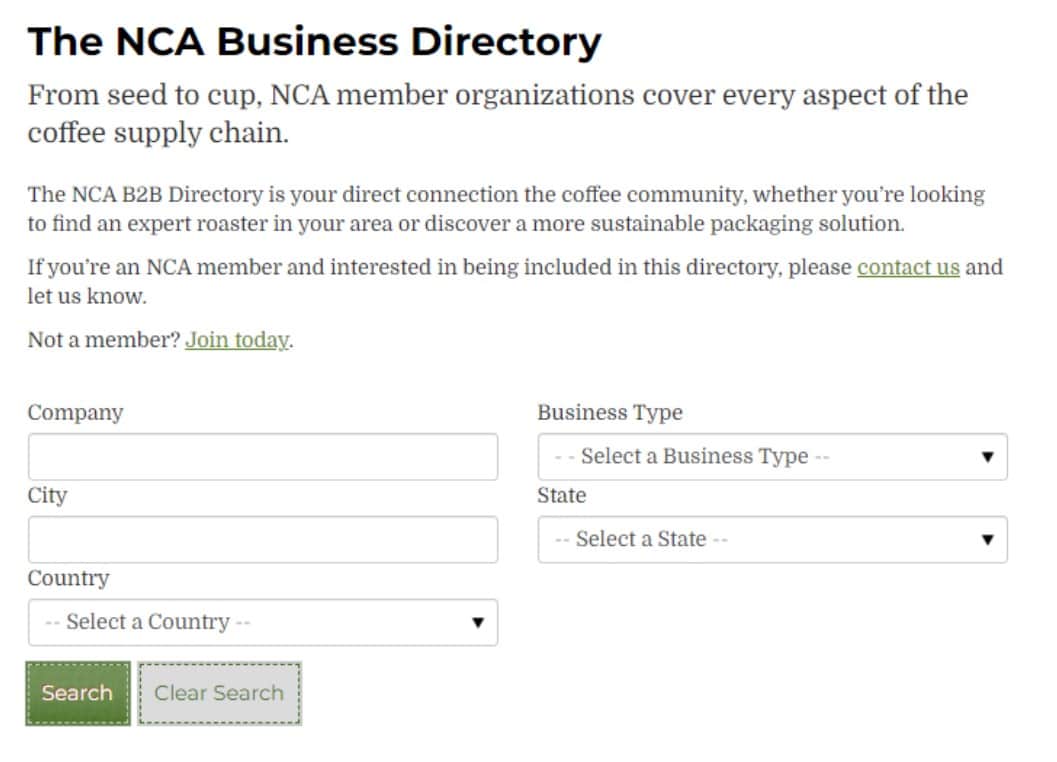
Focus on directories that are relevant to your niche and have high domain authority.
Remember to prioritize quality over quantity when building backlinks and citations. Additionally, monitor your backlink profile and citations regularly to ensure they remain accurate and up-to-date.
Conclusion
If you want to boost coffee sales, then you need to also focus on your online visibility. This means ensuring a good SEO strategy for coffee websites in place as well.
You learned five tips you should implement as part of a robust SEO strategy. Conduct thorough research to identify the most effective target keywords and incorporate these into your site content. Optimize your website for mobile devices to provide a better user experience for mobile users. Also, implement local SEO tactics to attract customers in your area. Don’t forget to create engaging content to keep visitors interested and engaged and build backlinks and citations.
With your robust SEO strategy for coffee websites, you can expect, not just improved SEO results, but also increased web traffic and, ultimately, more sales. Good luck!