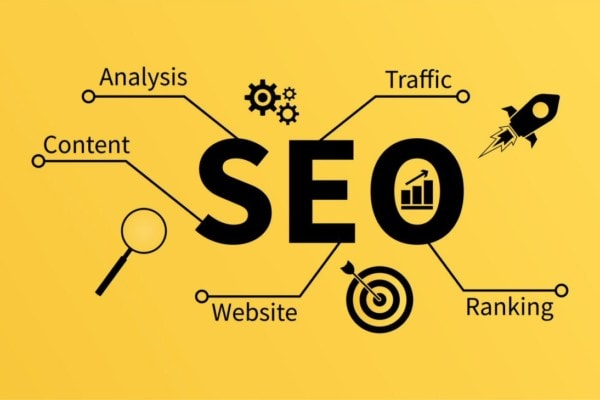
Local SEO (Search Engine Optimization) strategy is critically important for small and medium-sized businesses that operate on a regional level.
The national (or even multi-national) SEO focuses on ranking your brand’s website and social profiles across the country and beyond. Whereas, local SEO allows your digital portals to rank higher on SERPs (Search Engine Result Pages) in a specific location.
So, if you own a local business and aren’t prioritizing local SEO, you’re missing out on a lot of opportunities to make sales. That’s because recent statistics show that 46% of all searches on Google are seeking local information.
In this article, we’ll discuss what local SEO means, along with the best tips that you can use to create the best local SEO strategy.
What Does Local SEO Mean?
In simple words, local SEO means using strategies to make your brand more visible on search engines (rank higher) when people look for products/services related to what your business offers in a specific location.
For instance, if you have a company providing B2B lead generation services, you’d want your brand to show up when someone searches for “B2B lead generation services (in your area/near me)”. It’ll allow you to attract more potential customers and boost your online presence within your target market.

It’s important to note that local SEO has become more important for business than ever. Since 2017, location-specific searches that include phrases “near me” and “where to buy” have increased by 200%.
It means that consumers now place more emphasis on searching for local businesses to find solutions and meet their needs.
Tips to Create the Best Local SEO Strategy
Now that you understand what Local SEO means and why it’s important, let’s discuss the most important tips to follow in order to create a winning strategy.
Perform Keyword Research
Outranking local competition is one of the most important objectives of a local SEO strategy, and the best way to achieve that is to perform keyword research. Your main goal while carrying out this step is to figure out the keywords your competitors rank for.
There are tons of tools available in the market that you can use for this purpose, and one of the most commonly used ones is Google Keyword Planner.
You can use this tool to find out the most relevant keywords for your business to rank higher on SERPs. Additionally, it can also show you the keywords your competitors are targeting.
Optimize Your GMB (Google My Business) Profile
Google is the most popular search engine and it’s critically important to make sure that you optimize your GMB (Google My Business) profile.
It’s a free tool that Google offers for businesses to help them improve their online presence. It can also help you manage your brand’s appearance on Google search results and Google Maps.
Here’s a list of tips that you can follow to optimize your GMB profile.
- Claim and Verify Your Listing: First, claim ownership of your business on GMB by completing a verification process. It’ll inform Google that you are the legitimate owner of the business.
- Complete Your Profile: After that, fill out all information about your business on your GMB profile. It includes your business name, address, phone number, website, hours of operation, and a brief description (with keywords). Make sure that all details are accurate and consistent with your website and other online listings.
- Choose the Right Category: Select the most appropriate category that represents your brand. This helps Google understand what your business is about and show it in relevant search results.
- Add Photos: Upload high-quality images of your business, products, and services. Visual content can make your profile more appealing and help potential customers get a better idea of what you offer.
- Gather and Respond to Reviews: Positive reviews can enhance your credibility and attract more potential customers. Therefore, always encourage your customers to leave reviews on your GMB profile, and respond to them in a professional and timely way.
- Utilize Google Posts: Use Google Posts to share updates, offers, events, and other relevant information with your audience. These posts can appear in your business listing on Google Search and Maps.
Create Other Social Media Profiles
The majority of internet users have social media accounts, which means your business should also have profiles on popular social media channels. Start by identifying the social media platforms that are most relevant to your business and target audience.
For example, B2B businesses should have a strong presence on LinkedIn. That’s because it is a professional networking platform where you can interact with business leaders and C-level executives to general leads.
Pay Attention to Local Link-Building
Local link-building can affect your business’s visibility significantly in local search results. It involves getting backlinks from online directories and other websites in your area.
These links act as “votes of confidence” for your brand and inform search engines that your business is relevant and trustworthy in a specific location.
Here are some tips that you can follow for this purpose.
- Make sure that your business is listed on popular local directories like Yelp, Google My Business, Yellow Pages, and Bing Places.
- Create guest posts for local blogs and websites related to your industry. It’s a great way to provide valuable content to the host site’s audience and gain backlinks to your website.
- Collaborate with local influencers or bloggers with a significant following in your area. When they mention or promote your business, it can generate valuable local backlinks.
- Craft content that’s targeted to your local audience, such as location-specific guides, event coverage, or news related to your industry in your area.
Additionally, you would also want to create localized landing pages to improve your local link-building efforts. These landing pages must be optimized with relevant keywords and offer valuable information to your target audience.
Optimize Your Website
Optimizing your website is crucial for improving its performance, user experience, and search engine visibility. The following is the list of some key areas to focus on when optimizing your website:
- Responsiveness: Website responsiveness means having a website that adapts to different screen sizes, including smartphones and tablets. It’ll ensure a positive user experience regardless of the device that people are using to navigate through your website.
- Page Speed: Optimizing your website’s loading speed is essential because it enhances user experience and affects your search engine rankings positively. The most common methods to improve website page speed are to compress images/videos and use browser caching.
- High-Quality Content: Create valuable and engaging content that is relevant to your target audience. Content that answers questions, provides solutions, and/or offers valuable insights can attract more visitors and keep them engaged on your site.
- On-Page SEO: Optimize your website’s on-page elements, including title tags, meta descriptions, headers, and URL structures, to align with your target keywords and improve search engine visibility.
- Internal Linking: Implement internal linking to connect related pages on your website. This not only helps users navigate your site but also improves the flow of link equity throughout your web pages. Don’t forget to add CTAs (Call-to-Actions) and fix broken links and 404 errors as well.
- Social Media Integration: Add social media sharing buttons to your website and encourage users to share your content, in order to increase its reach.
- Sitemap and Robots.txt: An XML sitemap allows search engines to crawl and index your website efficiently. Therefore, it’s important to use the robots.txt file to guide search engine bots on which pages to crawl and which to avoid.
Final Words
Having a strong SEO strategy allows you to establish a powerful online presence and stay ahead of the competition in your specific region.
We hope this guide has helped you understand how to create a winning SEO strategy to connect with your target audience and increase sales.
Lastly, don’t forget to stay up to date with the latest features that search engines introduce regarding their SERPs for local searchers. It’ll help you update your local SEO strategy and keep it effective.