Does Content-Length Matters in SEO and How to Get It Right

When it comes to SEO, one often-debated topic is content length. How long should a blog post or webpage be to rank well on search engines? Is it just about writing longer articles?
It is a common misconception that more words automatically lead to better SEO. While longer content has its advantages, word count alone is not a guarantee to higher rankings
Why Does Content Length Matter?
Search engines like Google have evolved to prioritized content that is valuable, reader friendly. This is especially so in their recent helpful content update.
The quality, relevance and user experience of any given page are key factors that matter.
Nonetheless, longer content generally performs better in search engine rankings.
Research done by Backlinko, published by SEO expert Brian Dean found that the mean word count of a Google first page result is 1447 words.
So should you lengthen your content for the sake of it?
Yes and no. However, first, let’s take a look at the benefits of a longer article.
The Benefits of Longer Content for SEO
Longer articles allow for a broader exploration of topics and provide search engines with a better understanding of the page’s content.
It allows for more natural integration of keywords. This doesn’t mean stuffing keywords unnaturally into your content; instead, it means having the space to cover a topic comprehensively while aligning with user queries.
Longer Form Content Can Attract Backlinks
Comprehensive, well-researched content is more likely to attract backlinks from other websites.
One popular method of building links is the Skyscraper method popularized by Brian Dean. It simply means studying the top ranking content on Google, and creating a “skyscraper”, one that beats all the rest!
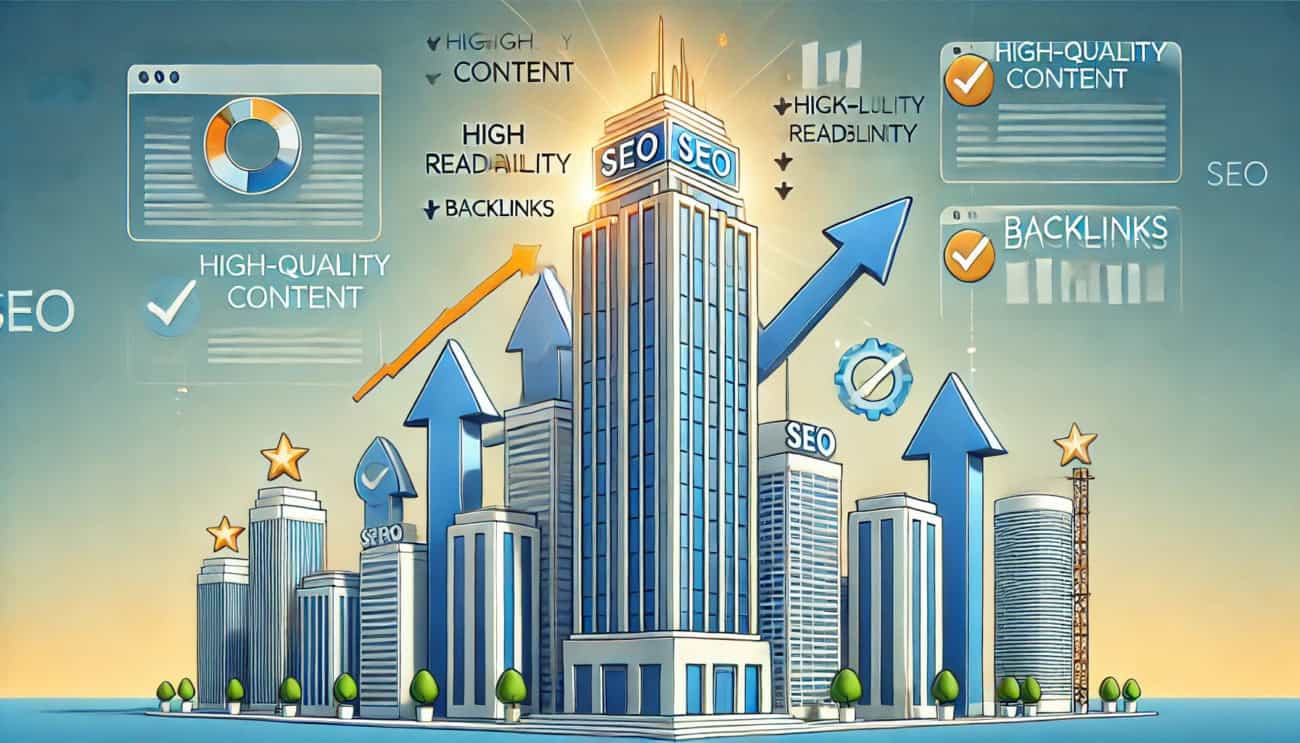
When other sites link to your content, it signals to search engines that your page is a valuable resource, thereby building domain authority. Yes, and backlinks remain one of the top ranking factors for SEO.
Enhanced User Dwell Time
When users spend more time on a page, it signals to search engines that the content is engaging and valuable. Longer, more detailed content often encourages readers to stay longer.
Higher dwell time is a positive SEO ranking indicator. Google’s API leak revealed that Google uses user engagement metrics such as dwell time.
Should you always create “long” content for the sake of creating long content then?
Nope.
The Limitations of “Longer” Form Content: Beware of Fluff
There’s a tendency from content marketers and SEO writers to add unnecessary “fluff” just to meet a certain word count.
You can use Chatgpt and produce a 1000 word article for the cost of almost nothing. Today, AI writers can generate content efficiently. However, A.I. content spinners rely on patterns, which usually results in overly generic material.
Thin and fluff content dilutes value and frustrates readers.
How to Determine the Optimal Content Length for SEO
Yes, there are some steps you can take.
Step 1: Analyze Competitors and Search Intent
Firstly, analyze the top-ranking content for your target keywords. Go to your Google search bar and literally pop your keyword in! Then look at the top results. Look at how long their content is, but also consider the depth, quality, and structure.
Look for similar search results for your topic. If it’s a blog article, then look at the search results that are blog articles.
Search results can come in different forms from forums, directories, Reddit/ Quora threads, local service pages and more.
It is important to pay some attention and discern the results. Only then, align your content length with the relevant search results.
Step 2: Balance Length with Relevance and Quality
Creating long content isn’t always the best practice. The key is to cover the topic comprehensively without adding unnecessary filler. The goal is to answer user queries effectively.
The content should be reader-centric, informative, and engaging, as stated by Google themselves.

Ensure that your content is valuable and reader-focused.
Make sure it is free from grammatical errors and provides clear, concise, and well-structured information that keeps readers engaged from start to finish. For example, avoiding lengthy paragraphs.
In the age of artificial intelligence, I am sure that Google is continuously tweaking their algorithms to put first hand content and first hand experential inputs first.
Here are some relevant points in Google’s guidelines when it comes to A.I. automation:
- Are you producing lots of content on many different topics in hopes that some of it might perform well in search results?
- Are you using extensive automation to produce content on many topics?
- Are you mainly summarizing what others have to say without adding much value?
- If the content draws on other sources, does it avoid simply copying or rewriting those sources, and instead provide substantial additional value and originality?
Our SEO agency in Singapore regularly sources and engages local writers to create content for our local clients.
This way, the content produced offers unique, local and first hand perspectives.
Not to mention that E-E-A-T is also part of Google’s new ranking signals. Your content must be presented in a manner that demonstrates clear evidence of expertise and/or sourcing.
Hence, check if the content has easily verified factual errors and ask yourself, if someone were reading this content, would it leave an impression of authority and expertise?
Step 3: Optimize Simply for SEO, Finding the Right Balance
Lastly, beyond content length, SEO-friendly writing involves using keywords naturally, utilizing proper headings (H1, H2, etc.), and optimizing images and meta descriptions.
The key is for simple optimization. It is really that simple!
Conclusion
Content length can be an important aspect of SEO as it can attract backlinks, increase dwell time to signal authority to search engines.
However, creating long content purely for word count can lead to “fluff”—unnecessary filler that frustrates readers and dilutes value. AI-generated content, though efficient, can result in overly generic material if not guided carefully.
The real key is providing valuable, first handed, reader focused content that meets user intent and search engine guidelines.
Keep it simple, use your query’s search results as a guideline, and there’s no need for over optimization!