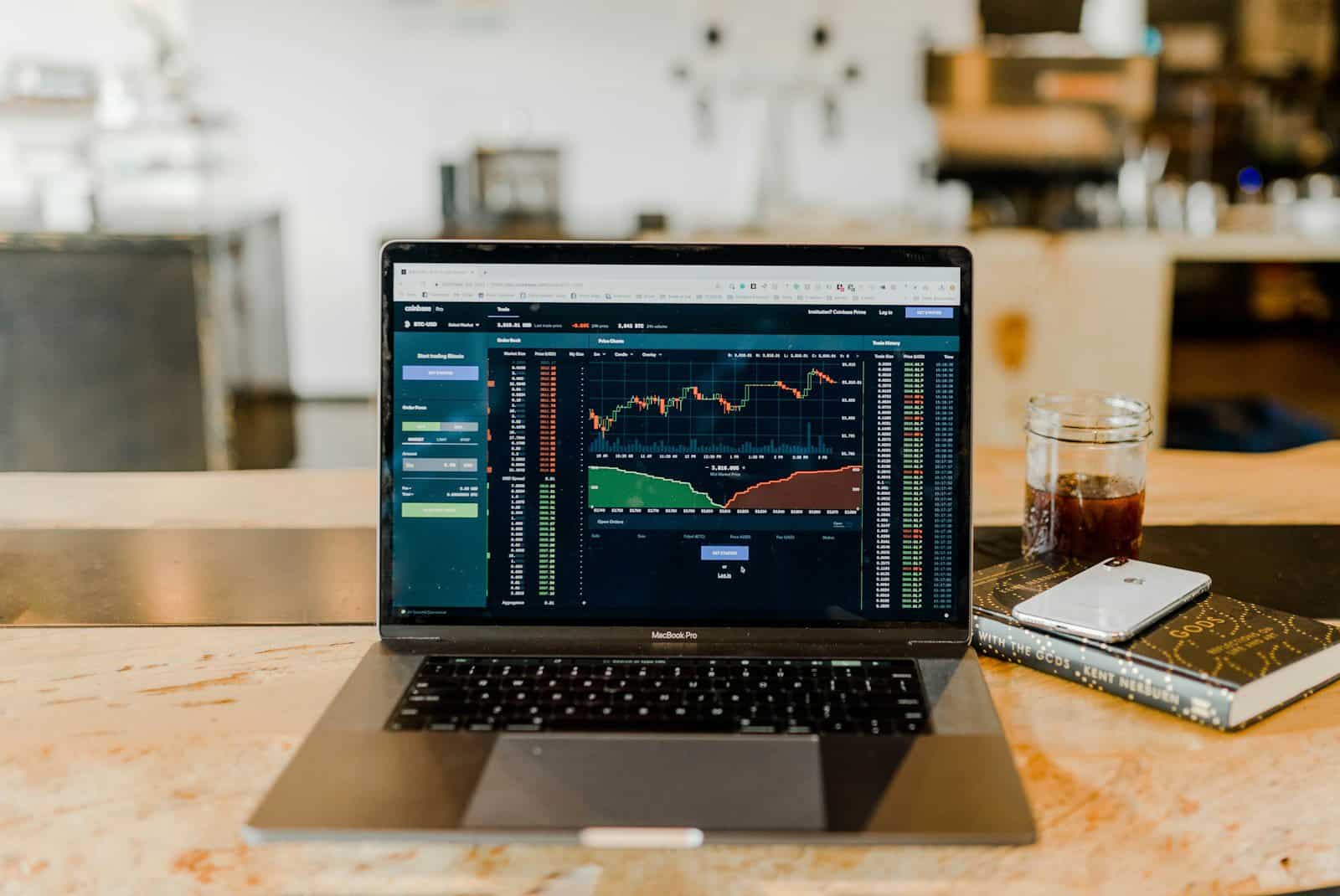
In economic theory, determining the appropriate price for an item or service is a long-standing issue. Several pricing techniques exist, depending on the goal being pursued. While some businesses need to enter new markets or defend ones they already have, others may aim to maximize profitability based on market share generally or on each item sold. Furthermore, many situations involving various products or client groups might coexist in the same business.
What is Price Optimization?
Price optimization refers to setting prices for products or services to maximize some objective, such as profit or revenue. It involves building mathematical models to estimate demand and other factors that affect optimal pricing.
Retailers have used basic price optimization for years, but machine learning is taking it to the next level. With massive data and advanced algorithms, machine learning can build highly accurate models to optimize complex pricing decisions.
Price Optimization vs Dynamic Pricing
Dynamic pricing means frequently adjusting prices in real-time based on supply, demand, and competitor pricing changes. It’s a fairly basic form of price optimization.
Full price optimization uses machine learning to estimate optimal prices based on deeper demand drivers and constraints. It creates pricing strategies for the long run, not just quick price changes. Machine learning considers vast amounts of historical data on prices, sales, seasons, promotions, competitors, reviews, and more. This leads to sophisticated modeling for what prices will maximize objectives across products, customer segments, and time periods.
Price Optimization vs Automatic Pricing
Automatic pricing refers to algorithmic systems that can set prices without human intervention. Price optimization models inform those systems. So optimization determines the rules and models for pricing, while automatic systems execute and update prices.
Price Automation with and Without Machine Learning
Retailers have used automated pricing rules for years, but they tended to be pretty basic—for example, setting prices based on cost plus a certain markup. Machine learning optimization creates more advanced and nuanced models for prices that best meet the retailer’s goals. Some factors that machine learning can uncover that humans would likely miss:
- Optimal price differences for the same product across geographic markets.
- Clustering similar products across departments to optimize their pricing together.
- The interplay between pricing and promotions at different times of the year.
- Differing price elasticities across customer segments.
- Dynamic competitor pricing across hundreds of product categories.
So automated pricing without machine learning misses many opportunities to maximize objectives.
What Machine Learning can do for Retail Price Optimization
Consider an online or physical merchant who wishes to project the best costs for new items for the upcoming season. Given the fierce competition, one must evaluate their offerings in terms of both pricing and promotions.
As a result, the merchant employs a popular tactic: competitive pricing, which bases a product or service’s pricing on that of its competitors.
The steps required to create a machine-learning solution for this use case are as follows:
1. Gather Input Data
To train a model, the retailer would assemble historical data on the prices, sales, and promotions of their and competitor products over several years. Data also helps with customer segments, product attributes, reviews, economic factors, etc.
2. Define Goals and Constraints
The business would define the algorithm’s objectives. This includes metrics like profit, revenue, or volume goals. Constraints, like margins for certain products, also factor in.
3. Modeling and Training
Data scientists would determine the best algorithm and train it on the historical data. Testing happens on holdout sets where the algorithm predicts prices. Refinement continues until high accuracy against real results.
4. Execute and Adjust Prices
Once put into production, the algorithms run on live data streams to estimate optimal prices. As new sales data emerges, it trains the algorithm for continuous improvement.
Over time, the system can automatically optimize thousands of price points across products, places, segments, and time periods. Humans can’t feasibly manage pricing at such scale and complexity.
Advantages of Price Optimization with Machine Learning
Machine learning brings significant advantages to retail pricing decisions, some of them are:
1. Discovers Optimal Prices and Elasticities
Algorithms uncover subtle patterns in vast datasets that humans can’t replicate, leading to highly tuned price elasticity models.
2. Adapt Pricing as Market Conditions Change
Real-time data automatically adjusts pricing per the latest demand signals and constraints. Rapid experimentation iterates toward better prices.
3. Optimizes Pricing for Omnichannel Complexity
Machine learning incorporates many dimensions—online/offline prices, geographies, customer segments, promotions, etc. Aligned pricing boosts revenues.
4. Continuously Improves Strategy from New Data
As more sales data emerges, the algorithm refines its pricing logic for better optimization.
Conclusion
Pricing is a complex science, but machine learning thrives on complexity. Leading retailers now use AI to unlock optimal prices with unmatched scope and precision. With competitive pressure intensifying, machine learning delivers an intelligence advantage to maximize revenues. AI promises the next evolution in the eternal quest to maximize value.