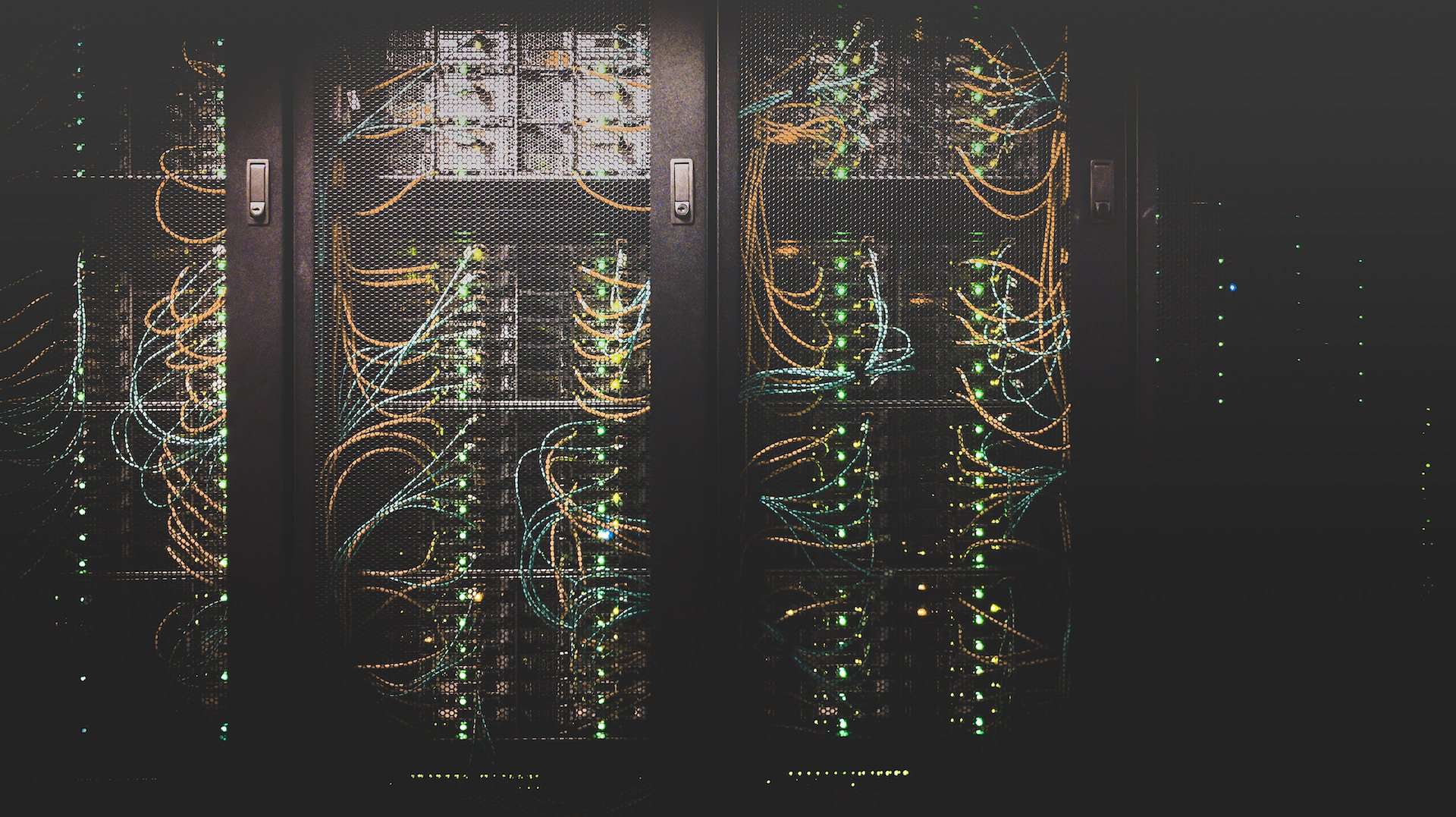
As more businesses require not only an online presence but one that complies with the best practices demanded by both consumers and advanced algorithms, website and server maintenance has become an indispensable part of operations. However, many companies neglect this crucial aspect of digital asset management, often to their chagrin when things inevitably go awry. Proper maintenance keeps a site running smoothly and dramatically enhances user experience and, perhaps just as vital, search engine performance. This article will provide six tips that can help business owners effectively maintain their websites and web servers to avoid everything from downtime to potentially disastrous data breaches.
Always Be Backing Up!
It’s likely that you already understand the benefits of regular backups, and if you haven’t heeded this advice thus far, now is undoubtedly the time to do so. Regular backups are a critical part of managing any kind of online asset that is under your control). Without a proper backup plan in place, all it takes is one server crash, hack, or accidental deletion to lose months or even years of vital business and customer data. Not only can this cause major embarrassment and downtime, but if severe enough, it could involve litigation on behalf of consumers who believe their data wasn’t adequately protected. Fortunately, implementing a data backup solution is relatively straightforward these days, with plenty of companies offering a range of methods suitable for almost all types of operations.
At the very least, you should set up a regular schedule involving automated daily or weekly backups. This only takes a moment to set up but provides immense peace of mind that if something were to go wrong, the fix is only a few clicks away.
Upgrade Your Programs Regularly
Software updates are just as essential in the business world as in the private realm. Just as you should maintain your own software on your PC or phone to keep it safe against nefarious actors, so should you do with your business assets. Upgrading the various software programs and applications running on a business website’s backend server is a vital component of good management that smart companies would be remiss to overlook. Outdated CMS platforms, plugins, themes, and other software often contain security vulnerabilities that leave sites exposed to a broad range of attacks.
Furthermore, aside from the security aspect, obsolete programs may also lack compatibility with newer operating systems, which, if left until the last minute, can cause all kinds of headaches for your IT department.

Install Any Security Patches Recommended By Your Server
Although a patch is somewhat simar to an update, it demands its own section because of how vital it can be for the security of your site. While you can (and sometimes should) wait to install a recently released software update, installing a security patch the moment they become available is absolutely essential. Server software vendors issue patches to address vulnerabilities that hackers actively aim to exploit. While some server operators will install them automatically, others will allow you to do so yourself. It depends on how large your operation is and whether you need to perform tests to ensure its compatibility with your existing platforms. Overlooking patch notifications or delaying installation is akin to leaving the digital door wide open for all and sundry to enter and either wreak overt havoc or silently steal your precious data.
Keep A Clean Database
Any company with an online presence worth its salt should pay heed to the advantages of a clean and well-optimized database. Allowing them to become bloated with outdated, duplicate, and otherwise unnecessary data can slow down sites and create significant behind-the-scenes difficulties. Implementing routine “spring cleaning” by deleting old data improves site performance and user experience to no end. Trimmed databases also enhance security by removing accounts that are no longer needed. Backup files shrink as well, saving storage costs. As with everything in life, a little bit of proactiveness can pay dividends down the line.
Actively Monitor Website Performance (Speed, Up/Downtime Etc)
It’s easy to forget the more mundane maintenance tasks when focusing on the “sexier” things like security and database optimization et al. However, by placing some of your focus on monitoring general performance, you can ensure things are running efficiently. Without keeping tabs on indicators like site speed, uptime, and traffic, it’s impossible to know where you stand and catch emerging problems before they impact customers.
Scale Up Operations Organically
If you are a growing company, you must keep an eye on the future. When operating online assets, this means ensuring that you have room to grow. Unfortunately, many businesses leave this until the last moment, often misunderstanding the complexities of scaling up. However, if you choose the right hosting with a range of options that allow you to expand as and when required, you will be able to increase capacity with minimal hassle.
It doesn’t take much to ensure your website and servers are operating at peak efficiency, but it does require a proactive mindset. By utilizing some of the ideas in this article, you will be able to keep data secure, scale up when needed, and maintain a stable environment.