In an age of sleek smartphones, cloud computing, and artificial intelligence, it’s easy to think that vintage computers belong only in museums or dusty attics. After all, why would anyone care about machines that run slower than a modern calculator or store less data than a single email attachment? Yet, despite their technological limitations, vintage computers still matter deeply. They continue to inspire, educate, and remind us of a time when innovation was tangible, curiosity was boundless, and computing was personal.
From the hum of a floppy drive to the click of a mechanical keyboard, these machines tell the story of how our digital world came to be—and why understanding them still holds value today.
A Tangible Connection to the Origins of Computing
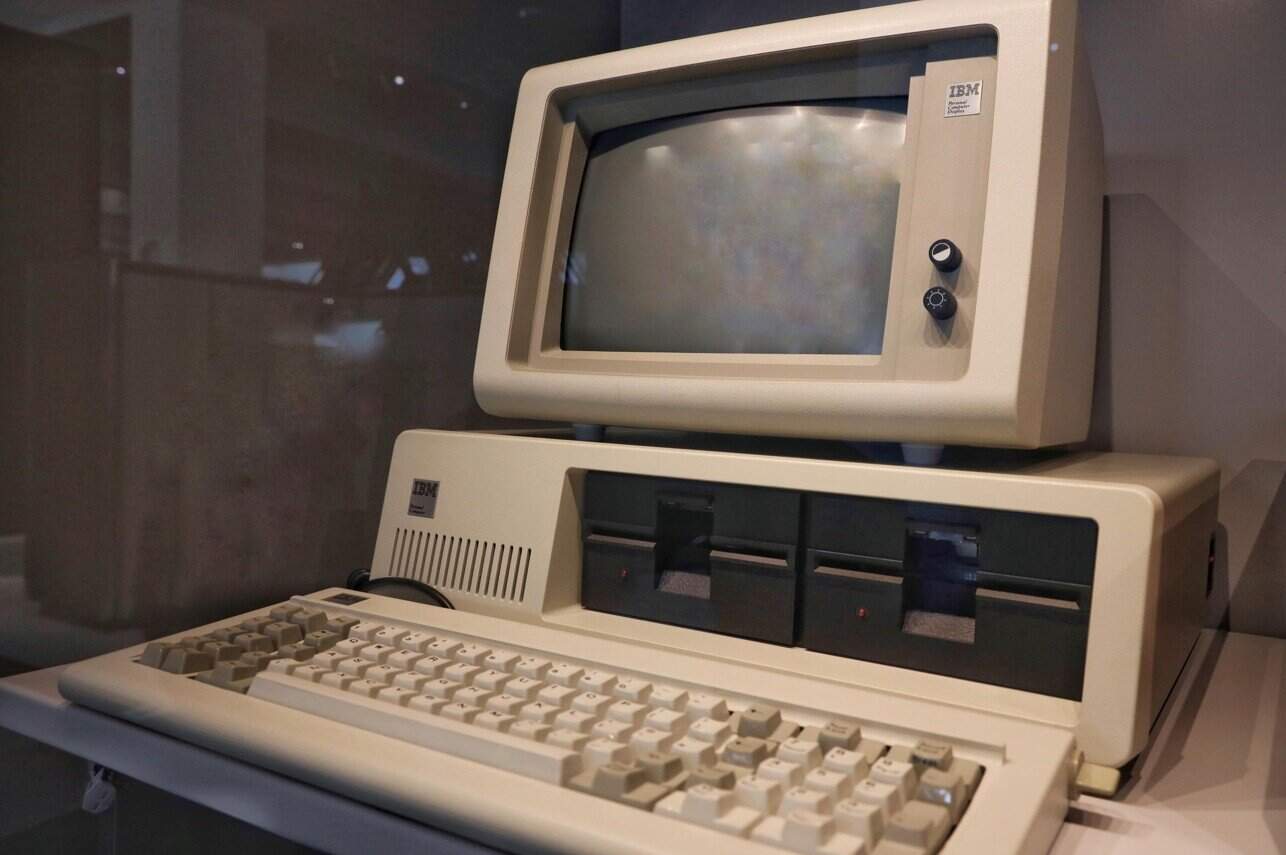
The story of modern technology begins with these early machines. The Apple II, Commodore 64, IBM PC, and Amiga 500 weren’t just tools; they were milestones that shaped the digital age. They represent the bridge between massive mainframes and the computers that fit in our pockets today.
Owning or restoring a vintage computer is like holding a piece of history in your hands. You can see the circuits, touch the chips, and understand how everything fits together. Unlike modern devices—sealed, proprietary, and designed to be replaced rather than repaired—vintage computers invite exploration. You can open them up, swap parts, and watch how electricity becomes logic, how logic becomes software, and how software becomes art.
That tactile relationship with technology is something many modern users have never experienced. Vintage computers reconnect us with the physicality of innovation—the idea that progress was once built one soldered connection at a time.
They Teach Us How Things Work
Modern technology is designed for convenience, not comprehension. Phones, tablets, and laptops are sealed systems, meant to function flawlessly with minimal user input. But vintage computers demand understanding. They require patience, experimentation, and sometimes even repair before you can use them.
When you boot up an old DOS machine or program a BASIC routine on a Commodore 64, you gain insight into the foundations of modern computing. You see how operating systems manage memory, how code interacts with hardware, and how software evolved from simplicity to complexity.
This hands-on learning experience makes vintage computers invaluable teaching tools. Many educators and tech enthusiasts use them to demonstrate core programming concepts—loops, logic, and problem-solving—without the distractions of modern frameworks. There’s no GUI, no automation, just you and the code.
By stripping computing back to its essentials, vintage systems reveal how far we’ve come—and how much of today’s innovation still rests on the same fundamental principles.
Preserving Digital Heritage
Every generation produces art, music, and culture reflective of its time, and digital technology is no different. Vintage computers are artifacts of the early digital age—a cultural heritage that deserves preservation.
The games, graphics, and applications created on these systems were groundbreaking. Titles like Zork, The Oregon Trail, Prince of Persia, and SimCity didn’t just entertain; they defined genres and influenced modern design. Creative software like Deluxe Paint, HyperCard, and PageMaker sparked revolutions in digital art, publishing, and animation.
Without preservation efforts, much of that early digital history risks being lost. Floppy disks degrade, CRT monitors fade, and rare components become scarce. Collectors, archivists, and hobbyists play a crucial role in saving not just the hardware, but the experiences that came with it.
Retro computing communities work tirelessly to maintain digital archives, repair old systems, and even recreate classic machines using modern parts. Many enthusiasts photograph their collections for documentation—sometimes using professional-style images or stock photos of vintage setups—to celebrate these artifacts and share their beauty with a wider audience.
In doing so, they’re not just preserving nostalgia—they’re preserving the DNA of the modern digital age.
A Lesson in Design and Simplicity
There’s an elegance to vintage computer design that feels increasingly rare. Early machines were built to do a few things well, with clear limitations that encouraged efficiency and creativity. Developers had to write software that worked within strict memory constraints—often just 64 kilobytes or less.
This necessity bred innovation. Game developers became masters of optimization. Artists found creative ways to use limited color palettes. Programmers built elegant, lightweight code that ran on minimal resources.
Modern systems, in contrast, are burdened by excess. Gigabytes of memory and terabytes of storage make inefficiency easy to overlook. Revisiting vintage computers reminds us of the beauty of constraints—that creativity often thrives when boundaries exist.
The aesthetics of these machines also carry lessons. The beige casings, chunky keys, and pixelated displays evoke a sense of functional honesty. They were designed for durability and serviceability, not disposability. That mindset, rooted in longevity, is something today’s tech industry could stand to revisit.
A Nostalgic Window Into a Simpler Digital World
For many, vintage computers are time machines. Booting up an Amiga or Macintosh SE instantly transports you back to an era when computing felt exciting and new. Every program launch and startup sound carried a sense of discovery.
The nostalgia associated with these machines isn’t just sentimentality—it’s a reminder of when technology felt empowering rather than overwhelming. There were no notifications, no social feeds, no constant updates. You turned on your computer to create—to write, draw, compose, or play.
For those who lived through it, that simplicity holds deep emotional resonance. For younger generations, experiencing vintage computing offers a glimpse into what it was like when technology was slower, quieter, and somehow more human.
That’s why retro computing events, YouTube restoration channels, and online forums thrive. They provide a place to share that nostalgia while keeping the history alive for newcomers.
They Encourage Hands-On Problem Solving
When a modern computer fails, most people take it to a technician—or replace it altogether. But with vintage machines, repair is part of the experience. Restoring an old computer teaches valuable skills: soldering, circuit tracing, component replacement, and even programming logic.
The challenges of working with old hardware—finding compatible parts, troubleshooting old connectors, or converting media formats—require patience and critical thinking. There’s a real sense of accomplishment in getting a 40-year-old computer to boot again.
That problem-solving mindset has practical value. The curiosity and resilience cultivated through retro restoration often translate into modern technical fields, from IT support to hardware engineering. Vintage computers may be old, but the lessons they teach are timeless.
The Retro Revival: A Growing Movement
Far from being a fringe hobby, the vintage computing movement has exploded in popularity. Across the globe, enthusiasts host conventions, swap meets, and online communities dedicated to collecting, restoring, and using classic systems.
Events like the Vintage Computer Festival bring together collectors and engineers to share stories, showcase rare hardware, and celebrate the machines that defined an era. Meanwhile, software preservation projects and emulator platforms ensure that vintage computing experiences are accessible to anyone, even without the original hardware.
Modern companies have even begun producing new hardware inspired by old designs—mechanical keyboards styled after 1980s PCs, replica consoles, and microcomputers that mimic the look and feel of classics like the Commodore 64 or ZX Spectrum.
What began as nostalgia has become a legitimate cultural movement—a recognition that the early era of computing deserves to be remembered, studied, and enjoyed.
Bridging the Gap Between Generations
Vintage computers have a unique power to connect generations. Parents who once typed code on green screens now share that experience with their children. Younger users, raised in the touchscreen era, are often amazed at how capable these old machines still are—and how much could be achieved with so little.
These intergenerational exchanges are more than sentimental—they’re educational. They bridge the gap between digital natives and the pioneers who built the foundations of modern technology. By understanding where technology came from, new generations can better appreciate where it’s headed.
Inspiration for Future Innovation
Looking backward can be a way of moving forward. Many modern innovators cite vintage computing as a source of inspiration. The minimalist interfaces, accessible programming languages, and user-centered designs of early systems continue to influence today’s tech culture.
When you strip away layers of complexity, you’re reminded of what technology is meant to do: empower people to solve problems and express creativity. Vintage computers embody that mission.
They’re also a reminder that innovation doesn’t require infinite resources—just imagination. The engineers of the 1980s worked with limitations we can hardly imagine today, yet they built systems that continue to inspire awe decades later.
A Legacy Worth Keeping Alive
The relevance of vintage computers in the modern world isn’t about practicality—it’s about perspective. They remind us that technology has a soul, born from human curiosity and ingenuity.
Every whirring drive, every pixelated screen, every line of BASIC code tells a story of progress. These machines are more than old hardware; they are living proof that creativity and innovation can flourish under any conditions.
So while the world races toward faster processors and smarter algorithms, vintage computers remain a steady reminder of where it all began—and why it matters. They remind us to stay curious, to keep learning, and to never lose the sense of wonder that once filled every flickering CRT monitor.
Because in the end, the most important part of computing isn’t the machine—it’s the spirit of discovery behind it.