For businesses that put user experience at the center of their strategy, they consider the way they craft, structure, and present content as important. In other words, they value the content design. Marketing teams rely on content designers to ensure that their products provide top-quality content exactly when users need it.
If you’re not sure what content design is exactly and why it’s important, you’re in the right place.
This article will walk you through everything you need to know about the concept.
What is content design?
Content design is the process of crafting what you want to say so that it reaches your audience effectively, no matter the noise around them. It transcends traditional writing or graphic design by integrating editorial techniques with user experience (UX) strategies. This ensures that every piece of content—from web pages to apps—is both accessible and engaging.
Using content design effectively means thinking beyond just what you want to say. It involves considering the user’s context, their environment, and how they will interact with your content on different platforms.
Content design also involves a deep understanding of user psychology and preferences. This knowledge informs the creation of content that’s useful, informative, and perfectly tailored to the user’s journey and context.
Consistency is key here. Content designers ensure a seamless and coherent experience for all users across different platforms. For this, they create (and refer to) the brand’s style guide that institutionalizes the company’s editorial and user experience-related best practices.
They may also use tools that help streamline multiple editorial processes across platforms. One example of such a tool is Writer. The platform offers powerful features content designers can leverage to ensure consistency in content voice and style.

With the tool, content designers can easily produce quality pieces that resonate with users and stand out in the crowded internet space.
Difference between content design and UX writing
Content design and UX writing both aim to enhance user experience, but they tackle different aspects of content creation.
Content design focuses on the big picture. Content design involves strategizing the overall content lifecycle, considering how different content forms like text, videos, and images integrate across various user interactions. It ensures that content supports both the strategic goals of the brand and meets user needs effectively. Content design involves planning the information architecture and managing how content is presented across the entire user journey.
UX writing covers the specifics of text within user interfaces. It entails handling the precise words used in buttons, instructions, error messages, and other interface elements. Its main goal is to make software or websites easy to navigate and use, ensuring that text is clear, helpful, and concise. UX writing focuses on optimizing user interactions through well-crafted microcopy that guides and informs users as they navigate through a product.
Simply put, while content design refers to the crafting of the overall content strategy, UX writing entails the creation of engaging interactions at every touchpoint within that strategy.
What does a content designer do?
Content designers ensure that all digital content is clear, user-centered, and strategically aligned with the brand’s goals. They collaborate closely with UX designers, developers, and product managers to create coherent and effective content across all stages of the user’s journey.
Content design teams are responsible for crafting the voice and tone of content, ensuring it reads well and resonates with the audience. Often their job involves creating style guides, tone-of-voice documents, and content templates to maintain consistency across various platforms.
Moreover, content designers engage in testing and iterating content, using feedback and analytics to refine and optimize the user experience. They ensure that content is scalable and sustainable, making adjustments based on user engagement data and shifting market trends. They help build experiences that are functional, informative, and genuinely enjoyable for online users.
Content design process
Content designers follow a process to ensure web pages, including their content, look and perform well while meeting user expectations. See below the steps followed in a typical content design process:
Research
Start with the research. A lot of research. Dive deep into understanding who your audience is and what they care about. Focus on defining what your audience specifically needs from your content. Identify the questions they are asking and the problems they need solutions for. See how they consume content.
Use surveys, interviews, and data analysis to gather valuable insights.
You can also use an AI tool like Writer to analyze your own business data and any file types you already created.

Research is crucial as it sets the direction for everything that follows. With this foundational step, you can identify trends, preferences, and potential gaps in existing content, enabling a targeted approach to content creation.
Mapping of channels and journeys
Now, it’s time to think about where your content will live and how your audience will find it. Will they see it on a blog, social media, or a landing page?
Map out the user journeys to anticipate how different content pieces will interact and support each other across various channels. This journey mapping helps in creating a cohesive content strategy that ensures users receive the right message at the right time.
Creation
Here, your effective content comes to life.
Craft your messages with clarity and precision, ensuring they align with the insights gathered earlier. Use the latest technology, like generative AI, to produce copy in a consistent tone and style while enhancing grammar and readability.
Using AI templates can help streamline the content creation process, ensuring the efficient production of engaging and accessible messaging that will resonate with your audience. With these advanced tools, every piece of content is optimized for impact and user engagement.
Sharing
Once your content is ready, it’s time to share it with the world.
Optimize your content for each platform for promotion, considering best practices for SEO, social media, and email marketing. If you sell digital products, partnering with a SaaS SEO agency is a good tip. These specialized agencies can provide expert advice on SEO best practices, social media strategies, and content marketing tactics tailored to SaaS products.
Repetition
The content design process doesn’t end with publication. Regularly review and update your content to keep it relevant and effective.
Use analytics tools, like Google Analytics or Hotjar, to track performance and gather feedback. The insights will help you refine and optimize your content strategy continuously.
This cycle of feedback and improvement is essential for keeping your content fresh and aligned with user needs.
Content design best practices
Effective content design focuses on meeting your audience’s informational needs rather than just pushing sales or promotional content. Indeed, 65% of B2C marketing team specialists emphasize providing genuinely useful and relevant content, ensuring it addresses these needs directly.
In content design, you utilize tools like personas and analytics to tailor your content to users’ needs, ensuring it is both simple and accessible. Employ plain language to make content understandable across a broad audience, and maintain consistency in tone and style to build trust and strengthen your brand’s identity. Here, tools like Writer are invaluable for ensuring consistency and enhancing quality.
Your content should be concise yet comprehensive, providing all necessary information without extraneous details. Optimize your content for discovery with SEO best practices and make it easy to share on social platforms. Regularly test and iterate based on user feedback. A/B testing is especially effective in refining your approach.
Optimizing your content for quick loading is crucial when sharing across platforms. Studies have shown that a B2B website that loads in one second can achieve conversion rates up to five times higher than those loading in ten.
As I mentioned earlier, good content designers ensure cross-channel coherence for a consistent experience across all platforms. They structure the content for easy scanning with strategic use of headings and bold text. Incorporating high-quality visuals thoughtfully is another effective practice, to enhance engagement and make the page eye-catching.
Content design examples
To illustrate the practical application of content design principles, here are some real-world examples:
E-commerce product page
Look at this top brand’s website offering high-end electronics. The content designer effectively streamlined product information to guide potential buyers toward a purchase. Notice the well-organized product specifications, engaging descriptions that highlight key features, and visuals like 360-degree views or video demos.
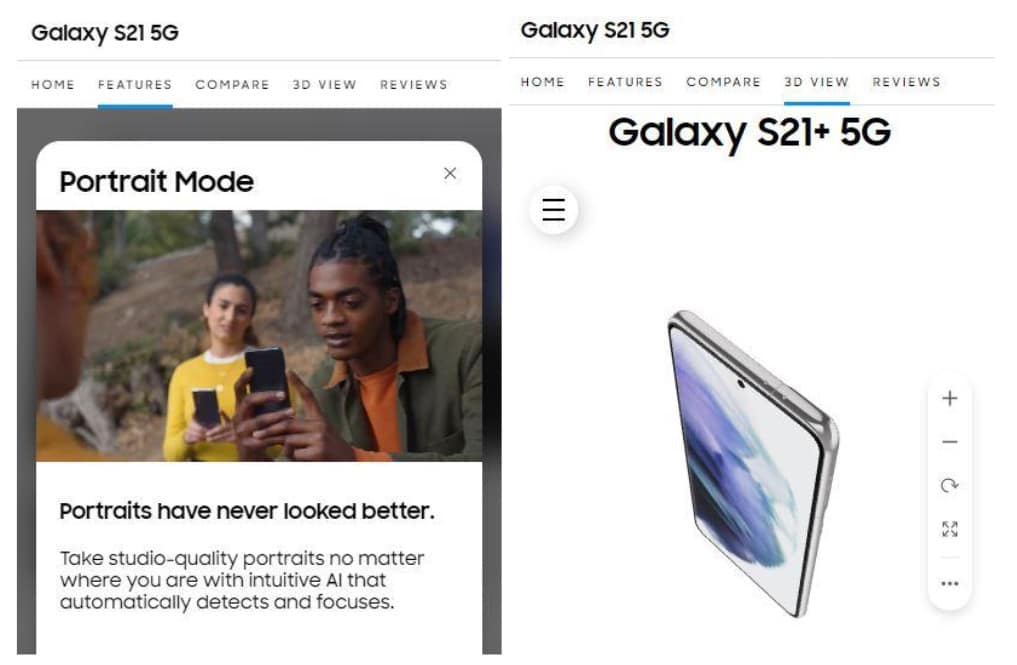
The clear, concise checkout instructions can also help reduce cart abandonment rates, enhancing the overall shopping experience.
Mobile banking app
In any mobile banking app, content design should ensure that financial information and transactions are clear and accessible.
In the app below, the content designers simplified financial jargon into everyday language and designed an intuitive user interface that allows users to check balances and transfer money with minimal effort.

The effective use of icons to explain complex financial products above also enhances user comprehension and satisfaction.
Conclusion
Content design is key to serving the audience. Content strategists look at problems holistically and create engaging digital experiences that resonate with users. Through thoughtful research, strategic planning, and creative execution, content designers ensure information is accessible, compelling, and aligned with user needs.
As we’ve seen, integrating practices like user-centered design, consistency in tone and style, and the use of modern tools like Writer can significantly enhance the quality and impact of your content.
Great content design doesn’t just happen. It’s crafted through dedication and a deep understanding of your audience.
Now take what you’ve learned here and start designing truly effective content that makes your audience happy!