Undoubtedly, building and maintaining a successful email marketing campaign is crucial for sustained growth. While search engine optimization (SEO) is essential for driving organic traffic to your online store, email marketing can be a powerful tool for engaging with your existing customer base and attracting potential buyers.
Let’s explore the steps to run a successful email marketing campaign for your e-commerce store, and we’ll also touch upon the importance of email deliverability and spam testing.
Build a High-Quality Email List
Before you can send out any marketing emails, you need a list of recipients who have opted in to receive your messages. Avoid purchasing email lists, as they often contain low-quality or irrelevant contacts that can harm your sender’s reputation and deliverability. Instead, focus on building an organic email list through methods like opt-in forms, customer accounts, contests and giveaways, and promotion through social media channels.
Segment Your Email List
Not all subscribers are the same, and sending the same message to everyone on your list is a recipe for low engagement and high unsubscribe rates. Segment your email list into smaller, more targeted groups based on criteria such as purchase history, location, behavior, and preferences. This allows you to send personalized and relevant content to each segment, increasing the chances of conversion.
Implement Personalized Product Recommendations
One of the most effective ways to boost sales through email marketing is by providing personalized product recommendations. Many e-commerce platforms and email marketing tools offer features that allow you to analyze a customer’s past purchases, browsing history, and preferences. You can use this data to create tailored product recommendations in your emails.
Personalized product recommendations can take various forms, such as:
- You Might Also Like Recommendations: Based on a customer’s previous purchases or browsing behavior, suggest similar or complementary products. For example, if a customer buys a laptop, recommend laptop accessories like a mouse, laptop bag, or software.
- Top Picks for You: Showcase a selection of products that align with the customer’s preferences, taking into account their favorite categories or brands.
- Exclusive Offers for You: Send exclusive discounts or promotions on products that the customer has shown interest in but hasn’t purchased yet.
These personalized recommendations make customers feel valued and understood, increasing the likelihood of them making a purchase. They can also help you cross-sell and upsell products, ultimately driving revenue and enhancing the customer experience.
Create Compelling Content
Your email content is the heart of your campaign. To keep your subscribers engaged and excited to receive your emails, focus on clear and engaging subject lines, personalization, eye-catching design, high-quality images, and compelling copy. Your subject line should be concise and intriguing, giving recipients a reason to open your email. Personalization adds a personal touch and makes subscribers feel valued.
Optimize for Mobile
In the age of smartphones, many people check their emails on mobile devices, so it’s crucial to ensure that your emails are mobile-friendly. Use responsive design, keep your email width narrow (around 600 pixels), and use a legible font size. Test your emails on various mobile devices and email clients to ensure they display correctly. Ignoring mobile optimization can lead to a poor user experience and decreased engagement.
Timing and Frequency
The timing of your email sends can significantly impact open and click-through rates. Consider your audience’s preferences and time zones. A/B testing can help you determine the best days and times for sending emails. Be mindful of email frequency as well. Bombarding your subscribers with daily emails can lead to high unsubscribe rates. Find a balance that keeps your brand top of mind without overwhelming your audience.
Email Deliverability
Ensuring your emails reach the inbox is paramount. Several factors influence email deliverability. Maintaining a positive sender reputation is crucial. This reputation is built by sending relevant, non-spammy content and avoiding high bounce rates. Implement authentication protocols like SPF, DKIM, and DMARC to prove that your emails are legitimate. Regularly remove inactive or bouncing email addresses to keep your list clean. Lastly, choose a reputable Email Service Provider (ESP) with a good reputation and a reliable email deliverability tool for deliverability.
Leverage Abandoned Cart Emails
Cart abandonment is a common challenge in e-commerce, but it also presents a significant opportunity for recovering potentially lost sales. Abandoned cart emails are a powerful tool for re-engaging with customers who have shown interest in your products but didn’t complete their purchase.
Here’s how you can leverage abandoned cart emails effectively:
- Timely Reminders: Send the first abandoned cart email shortly after the customer leaves your website without completing the purchase. A gentle reminder with a clear call to action can prompt them to return and finalize their order.
- Incentives: Offer incentives like discounts or free shipping to sweeten the deal and encourage customers to complete their purchases.
- Product Images and Descriptions: Include images and descriptions of the abandoned items in the email to remind customers of what they left behind.
- Trust Signals: Reassure customers by including trust signals, such as secure payment options and easy returns, to address any concerns they may have had.
- Follow-up Sequences: Implement a series of abandoned cart emails, gradually increasing the urgency and emphasizing the value of the items left in the cart.
Abandoned cart emails have a high conversion rate because they target customers who have already expressed interest in your products. By effectively recovering abandoned carts, you can significantly boost your e-commerce store’s revenue.
Incorporating personalized product recommendations and abandoned cart emails into your email marketing strategy can take your campaign to the next level. These strategies not only drive sales but also enhance the overall customer experience, leading to increased customer loyalty and long-term success for your e-commerce store.
Email Spam Testing
Before sending your emails, it’s essential to test them for spamminess. Use an email spam tester to analyze your content and ensure it doesn’t trigger spam filters. These tools can identify potential issues and help you make necessary adjustments to improve deliverability. A thorough spam test can prevent your emails from being marked as spam, which could damage your sender’s reputation.
Sum-ups
Running a successful email marketing campaign for your e-commerce store involves careful planning, segmentation, and content creation. Building a high-quality email list, personalizing your messages, optimizing for mobile, and maintaining good email deliverability are all crucial elements. By following these steps and regularly analyzing your campaign’s performance, you can drive sales and foster lasting relationships with your customers, especially if you want to implement SEO for e-commerce.
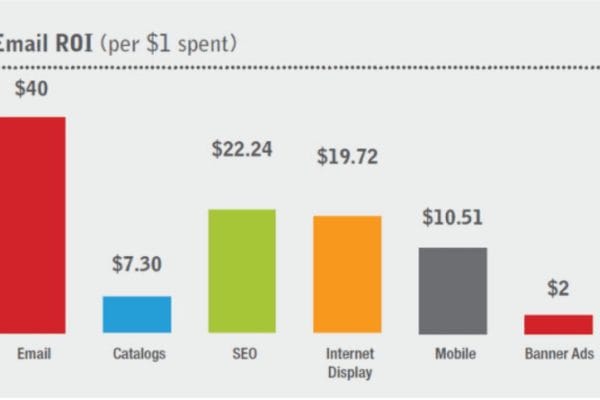
Remember, email marketing is not a one-size-fits-all strategy. Continuously monitor and adapt your approach to meet the changing needs and preferences of your audience, and you’ll be well on your way to e-commerce success. Email marketing, when done right, can be a powerful and cost-effective tool for driving sales, retaining customers, and growing your e-commerce business.