In the digital age, a logo is more than just a brand mark; it’s a critical element in any business’s visual identity. However, the need for responsive logos has grown exponentially as browsing habits shift from desktops to various devices.
Creating a responsive logo is an art that combines aesthetics with functionality. It involves designing a logo that effectively adapts and remains visible across different digital platforms. The following guide will dive deep into this topic, providing valuable insights and tools to help you master this modern necessity:
Essential Characteristics Of A Responsive Logo
A responsive logo must be flexible. It should maintain its identity and legibility regardless of size. That’s possible when it has a straightforward, recognizable design. Here are some of its top characteristics:
- Scalability And Adaptability
Scalability in modern logos refers to the ability of a logo to be used in various sizes and media without losing its visual appeal. It should look as impressive on a billboard as on a mobile screen.
On the other hand, adaptability means it fits well in different environments. Be it a website header, a social media icon, or a digital ad. Your logo must fit in seamlessly. It should adapt to different platform requirements while preserving its core essence.
- Simplicity And Clarity In Design
They’re the backbone of a responsive logo. A simple design is easily recognized and remembered. It’s also more likely to display well in different sizes and platforms.
Clarity means your logo communicates your brand message effectively. It shouldn’t confuse viewers or leave them guessing about your brand. Ensure that every element in the logo has a purpose and contributes to this overall clarity.
Step-By-Step Guide To Create A Responsive Logo
Creating a responsive logo is an engaging journey. It’s an opportunity to bring your brand to life and effectively engage with your audience across multiple digital platforms. This three-part guide will lead you through the process, from the first spark of an idea to a logo ready to take the digital world by storm.
Part 1: Initial Considerations
Before you start designing your logo, there’s some groundwork you’ve got to cover. It will ensure your logo isn’t just attractive and practical.
- Understanding Your Brand Identity: Your logo visually represents your brand. It should reflect your core values and mission. If you’re about innovation, let your logo show that. If sustainability is your brand’s core value, reflect that in your design.
- Research On Industry Trends: You’re designing for yourself and your audience. Understand what they relate to and what trends are dominating your industry. This way, your logo will be relevant and appealing.
- Outline Of The Intended Applications: Lastly, where will your logo live? Will it be on a mobile app icon, website, or social media profile? Knowing this will help guide your design decisions to suit that application. However, lean towards a logo that suits many applications.
Remember, thoughtful initial considerations set a strong foundation for a successful, responsive logo.
Part 2: Design Process
Now you’re ready to start designing. Here’s where you’ll make the critical decisions shaping your logo.
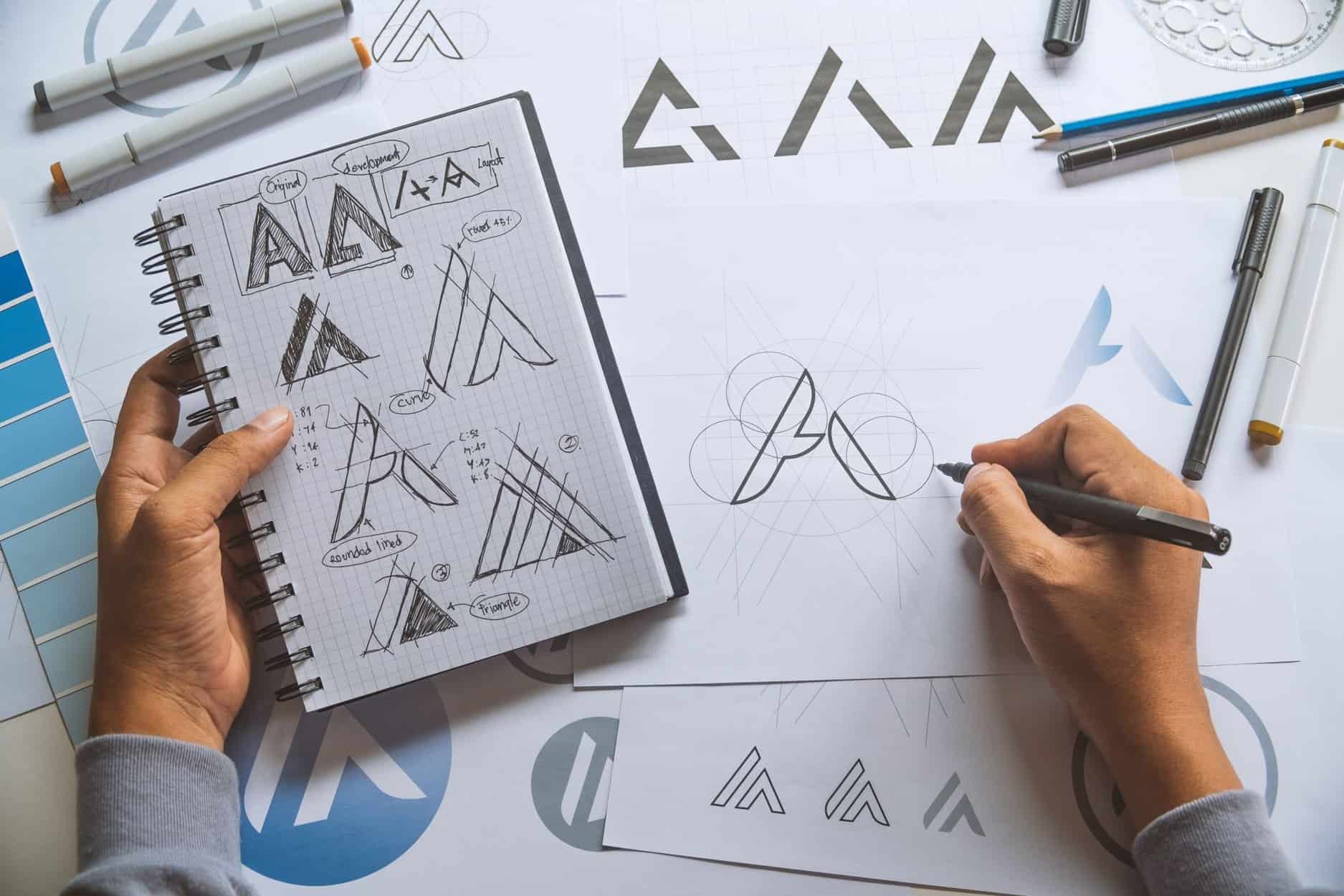
- Creating An Adaptable Logo Structure: Your logo needs to look good at every size. Start with a simple, scalable structure, and add details as required. It ensures complexity keeps clarity the same.
- Choice Of Colors, Typography, And Shapes: These elements must work in all sizes and backgrounds. It’s a balancing act between aesthetics and function. Don’t be afraid to experiment, but always keep the user in mind. Remember, consistency’s key to your brand identity.
- Emphasizing Simplicity And Clarity: A simple design will be easier to recognize and remember. Don’t let unnecessary elements clutter your logo. An overly complex logo can lose its impact when resized or viewed on different platforms.
With a well-considered design, you’re ready for the next step.
Part 3: Testing And Refining
Your logo’s done once it’s been tested. This phase is all about refining and perfecting your design.
- Test On Different Platforms: Your logo might look great on a desktop, but what about a smartphone? It’s essential to test it across all intended applications.
- Gathering Feedback: Listen to your audience. Their feedback will help you make the final tweaks and improvements to your logo.
- Finalizing The Logo Design: You can finalize your logo once tested and refined. You’ve just created a responsive logo ready to impact all digital platforms.
Ultimately, it’s all about creating a logo that looks great and performs well across all digital platforms.
Conclusion
Creating a responsive logo is a crucial skill in the digital age, requiring a blend of understanding your brand’s identity, trends, and intelligent design choices. Emphasizing simplicity, adaptability, and clarity can yield a logo that performs well across various sizes and platforms. The iterative process of testing and refining your logo ensures it resonates with your audience. Dive deeper into this topic to create a strong symbol in the digital world.