Web Design and Content Marketing: 6 Tips That Maximize Blog Engagement

Web design may not seem vital when it comes to content marketing. Yet, the truth is that it’s crucial for ensuring the success of your blog.
Investing in web design is one of the best ways to guarantee your content performs well. Because when done right, an aesthetically pleasing blog section isn’t just a way to leave a positive impression on your target audience. More importantly, the right web design decisions can make your content more user-friendly, boosting blog engagement rates and positively impacting your conversions.
So, without further ado, here are the six ways you can supplement your content marketing efforts with web design, helping you maximize blog engagement.
Embrace Minimalism and Simplicity
There’s a good reason why minimal web design is still relevant in 2024. And it’s straightforward. Research shows that web users prefer interacting with simple and familiar websites. Why?
Well, one of the reasons is that your audience spends a lot of time interacting with other websites and blogs. So, keeping the complexity of your site to a minimum ensures a browsing experience that aligns with user expectations and doesn’t include any learning curve.
Additionally, keeping the appearance of your blog posts uncomplicated and predictable can help boost engagement in a couple of ways.
Firstly, minimal blog posts generally employ traditional, user-oriented page layouts. This enables readers to scan content until they identify a piece of info relevant to their position in the buyer’s journey. Plus, it allows them to consume and comprehend the content more easily, thanks to the fact that the information is organized in a straightforward, intuitive way optimized for maximum readability.
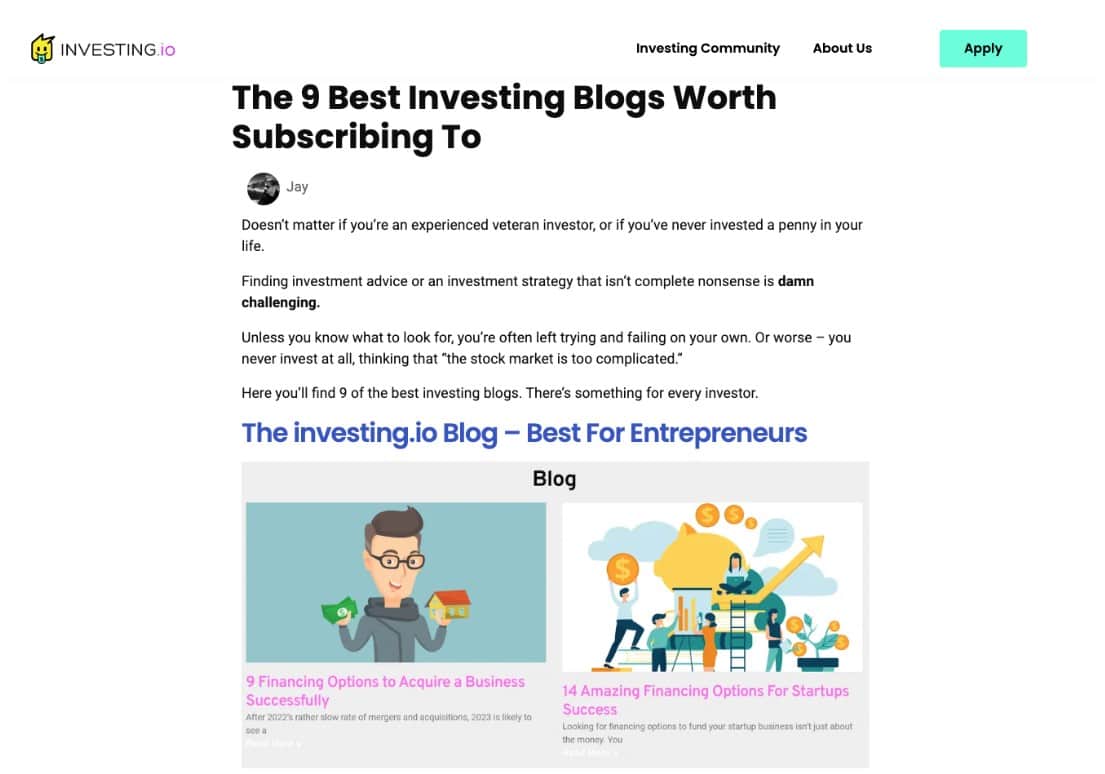
Secondly, simplicity in design often comes with a lot of negative space. That’s another great thing if you want to boost site engagement, and not just because white space allows you to emphasize high-value information that benefits your readers. A blog post with lots of negative space also lends itself to easy reading. That’s especially true if you choose a simple black-and-white color scheme like the one used in the Investing.io post on The 9 Best Investing Blogs Worth Subscribing To article.
Supplement Your Content with Video
Investing in written content is an effective and budget-friendly way to attract and engage your target audience. But if you look at people’s preferences regarding the content they consume, you’ll find that visual formats generally outperform text. And, truthfully, that’s not much of a surprise.
People are wired to learn better from visual information. Research also shows that 72% of consumers prefer video over text when consuming branded content.
So, if you want to maximize engagement rates on your site and blog posts, supplement your articles with video content. Doing so has the potential to make your articles more appealing and user-friendly. Moreover, it can be an excellent way to convince web visitors to invest in one of your solutions.
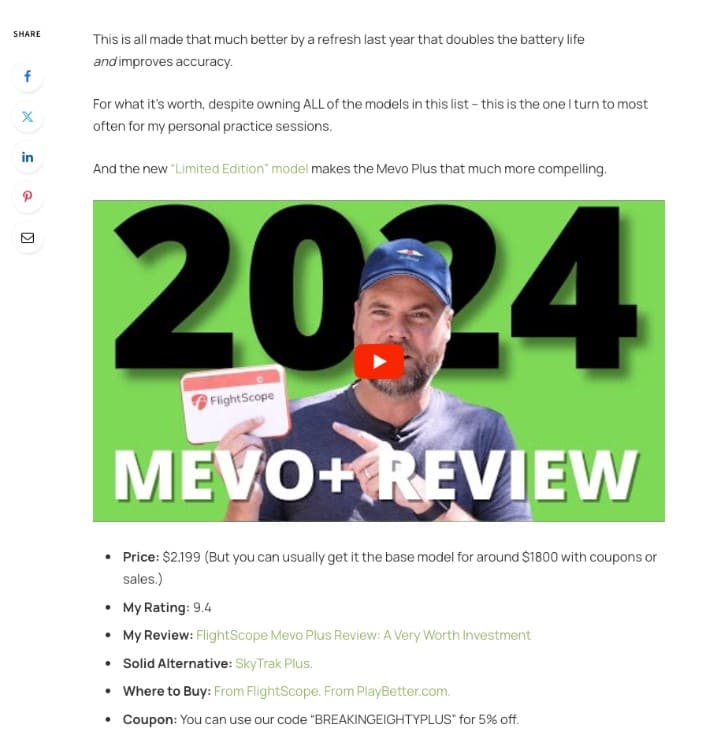
To see a superb example of successfully combining text and video, check out the Best Golf Launch Monitors guide on Breaking Eighty. It’s a great illustration of how a brand can boost blog post engagement rates with video.
Each multimedia section acts as a way to break up chunks of text. Furthermore, the videos provide in-depth information regarding a specific product. Finally, they present web visitors with a valuable alternative way to collect pre-purchase information, which is helpful seeing that the article is more than 6,000 words long.
Make an Effort with Your Embedded CTAs
One of the more commonly overlooked purposes of content marketing is that it’s not just a way to create awareness about your products. It can also be a powerful way to lead your prospects through the sales funnel. And when used correctly, it can help gently nudge web visitors toward making a purchase decision.
With this in mind, you’ll want to ensure that your blog posts include CTAs aiming to boost conversions. Nonetheless, instead of using these to blatantly push your readers to visit a product page, frame these conversion elements as a more natural (and enticing) way for your target audience to solve their pain points.
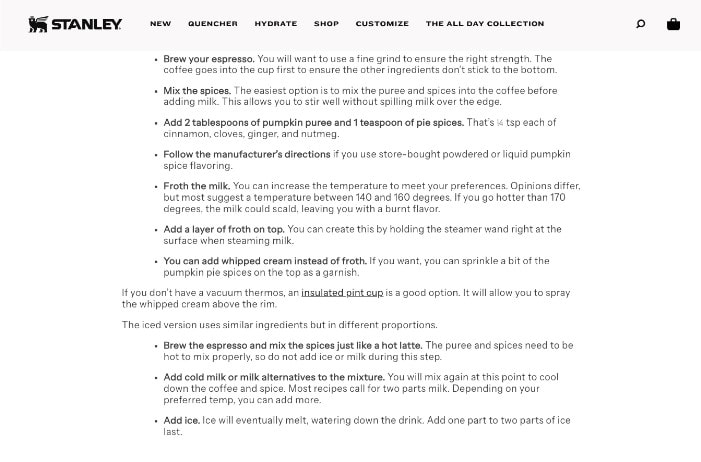
For example, check out the How To Make a Pumpkin Spice Latte guide on the Stanley blog. You’ll find that the article includes several natural product mentions, complete with product page links readers can click on to check out the tools needed to prepare their favorite fall drink.
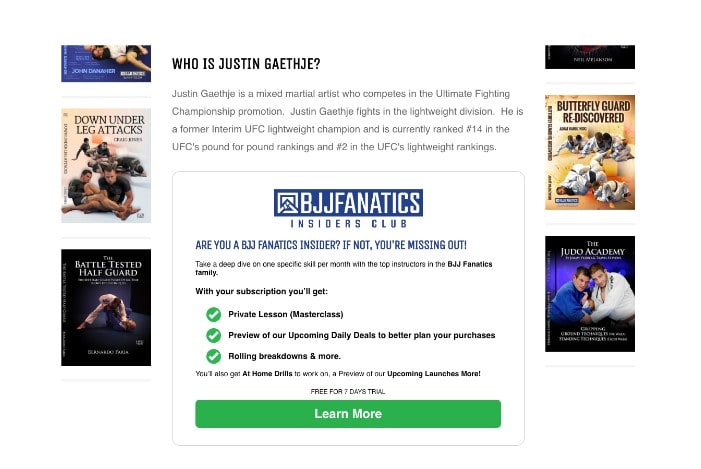
Or, instead of simply inviting your readers to subscribe to a newsletter, why not do something similar to BJJ Fanatics? In its blog post on Justin Gaethje, this brand clearly describes the benefits of signing up for its Insiders Club, some of which include private lessons, previews of upcoming daily deals, exercise regimes, and more.
Encourage Further Blog Exploration
As you explore web design strategies to maximize blog engagement, you must understand that one of the primary reasons for encouraging your audience to immerse themselves in your content is to keep them on your site for as long as possible.
Think about it. If your readers like what they see (and read), they’ll be more likely to explore your brand’s offer. By browsing multiple web pages, they’ll have more time to form a positive impression about your business. And if they walk away with an agreeable perception of your brand, they’re far more likely to convert into customers.
So, as you explore tips to maximize blog engagement, don’t forget to use web design elements to encourage further blog exploration. Something as simple as a recommended/related articles section at the bottom of your written content can be an excellent way to encourage further reading.
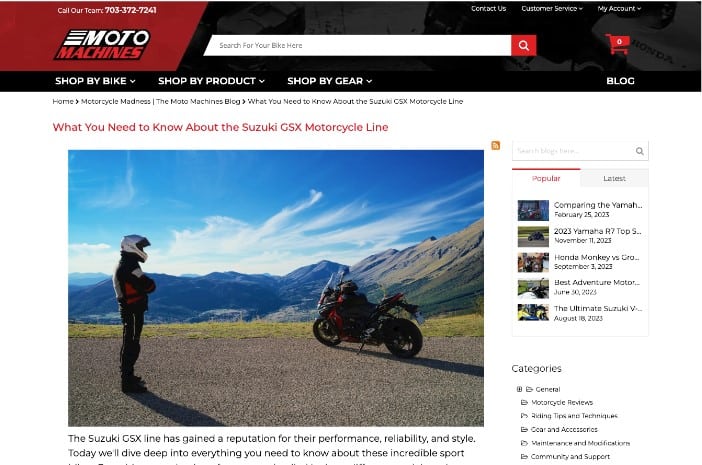
Or, if you want to make this element even more attention-grabbing, take inspiration from Moto Machines and add a Popular/Latest articles section toward the top of your blog posts.
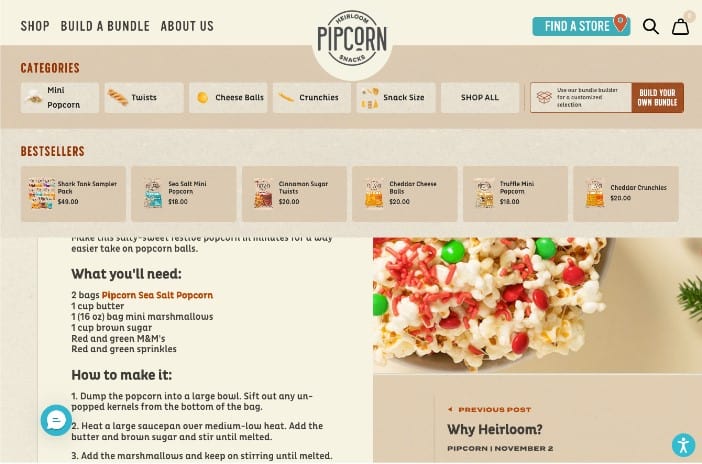
Additionally, if you want to increase your audience’s browsing time on your site, do your best to optimize your navigation menu for a seamless browsing experience.
If you check out the Salty & Sweet Holiday Popcorn post on Pipcorn, you’ll notice that the main menu is visible from any blog post. This allows visitors to quickly jump from reading to shopping. Moreover, the user-friendly menu allows them to choose the type of product they want to buy instead of forcing them to visit several product collection pages before landing on a relevant product page.
Optimize for Mobile
Unfortunately, UX design doesn’t rank high on business owners’ lists of priorities. But the fact is, ensuring your target audience has a pleasant browsing experience reading your content is one of the most effective ways to keep them engaged.
For example, research shows that people become frustrated with content that doesn’t display well. Adobe discovered that 41% of people will stop interacting with a page if it takes too long to load. And 30% will do the same if the content doesn’t display well on their screen size.
With this in mind, you must optimize your blog for a seamless user experience. But, in addition to paying attention to load speeds and page layouts, consider the type of device your audience will use to consume your content.
For instance, statistical data shows that 54.67% of all global traffic came from mobile devices in Q4 2023. So, ensuring that your blog posts are optimized for mobile makes for a simple hack to ensure your prospects enjoy consuming your content, form a positive opinion about your brand, and (most importantly) have an easy time finding the information they came to collect in the first place.
Use Design Elements to Establish Authority
Lastly, as you explore tips that will maximize blog engagement, remember that retaining web visitors’ attention in 2024 requires that they trust your brand.
So, regardless of whether you’re investing in long-form content aiming to educate potential buyers or are focusing on shorter posts meant to entertain, do your best to use your content marketing strategy in a way that will establish your brand’s credibility.
In addition to doing your best to present readers with high-quality, user-oriented content that helps your prospects solve pain points, take further steps to establish your authority. Fortunately, this can be easy with a few well-placed design elements.
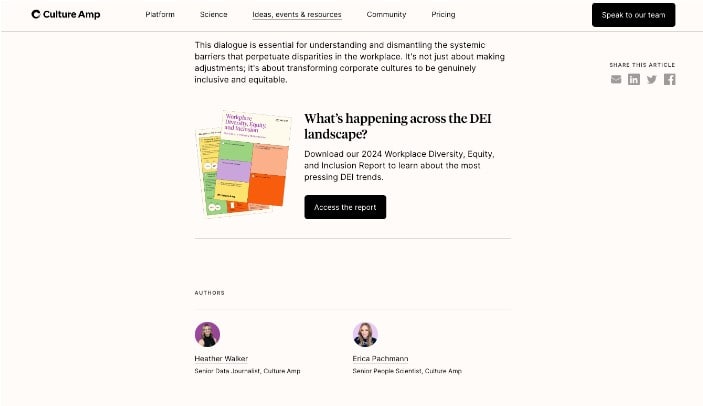
For instance, something as elementary as adding an author’s bio or a clickable profile picture to each of your articles — as done on the Culture Amp blog — can allow you to highlight your content team’s expertise.
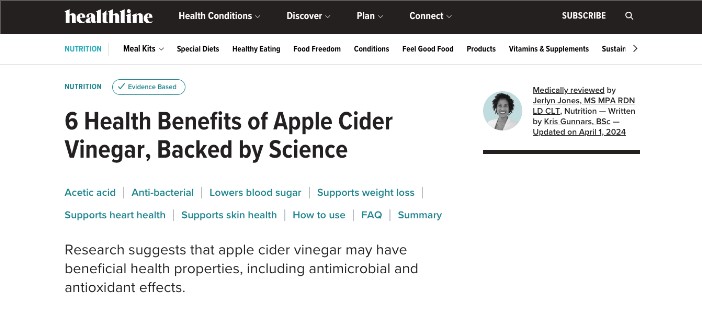
Or, if you don’t mind taking advanced steps to use web design to boost brand trust on your blog posts, try creating custom trust badges to include on your content pages. For instance, the 6 Benefits of Apple Cider Vinegar article on the Healthline website includes a simple “evidence-based” badge at the top of the page, communicating to readers that they’re about to consume a piece of content that was written based on evidence, composed by experts, and fact-checked by scientists.
Wrapping Up
If you’re looking to maximize engagement on your site, combine the powers of web design and content marketing.
Ultimately, creating an aesthetically pleasing and user-friendly reading experience is guaranteed to help you retain your target audience’s attention.
To ensure your design decisions yield the best engagement rates, don’t forget to adapt any of the strategies from this article to your brand’s needs. And, of course, remember to continually test website performance. That’s the only way you can identify any potential engagement pitfalls you could solve by tweaking your design or content production practices.