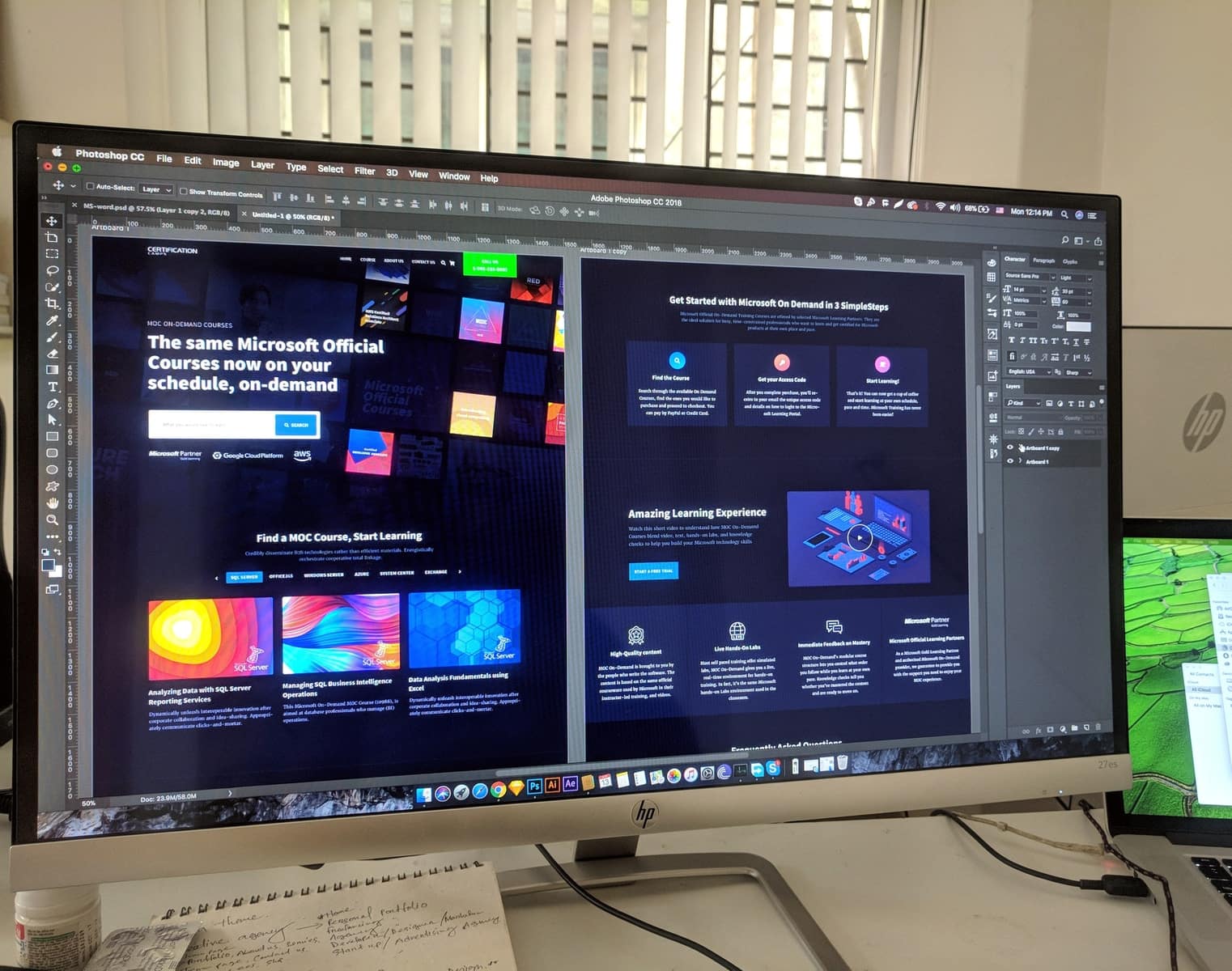
What comes first; the site design or the content? Many people begin building a website by importing a theme or template or creating the site’s shell. The possible reason for that is that seeing a brand new website appear out of nowhere is, perhaps, more exciting than writing and editing content.
However, putting the look and feel of a site before the content is a little bit like putting the cart before the horse. Or, to put it another way, it’s like choosing the wrapping paper before you have selected the gift.
You might argue that developing the site and the content separately is more efficient because the two jobs can be done simultaneously. However, there are some significant disadvantages to designing a website before seeing the content.
So, if you get frustrated when web designers insist that you get the content written first, read on. Here’s why a content-first design strategy will give you a better website.
What is Content-First Web Design?
Content-first design is more than merely the order of completion of tasks. Content-first design puts the content first in order of importance, too.
The objective of a business website is to convert visitors into customers. And, undoubtedly, the look and feel of a site do play a part in conversions. However, the most crucial element of a website that convinces people to buy is the words on the page. So, it simply doesn’t make sense to consign the content to the back seat of the design process.
Content-first web design builds the site around the content and not vice versa. And that concept applies to the branding, the structure, the look and feel of the site, and the navigation. So, the website design provides the supporting elements to enhance the content.
What Are the Advantages of a Content-First Design Approach?
Taking a content-first approach to web design offers a range of benefits ranging from enabling a more cohesive design vision to practical advantages that can save a lot of time. Here is a summary of the benefits of a content-first design strategy.
More Efficient
Everything from the writing style to the length of articles can influence the way a site is designed. So too can the use of images, infographics, product pages, and downloads. So, it is far more efficient to develop a site around the content than shoehorning the content into an already developed site.
Allows Optimization of Content
If you were to place a miniature, delicate pastel painting in a large, heavy frame, the beauty of the miniature painting would be diminished. In much the same way, a website frames the content. So, the design features should be used to optimize the content. That cannot be achieved if you design the site before you have seen the content.
Optimize Site Architecture
When you know what the content will be, you can design the site architecture to fit that content. So, a logical site hierarchy can be defined. But, when the content comes last, you will invariably be left with some unplanned pages and redundant pages. Problems of this nature can, of course, be fixed. However, any last-minute changes to a site take time and can make a website disjointed.
Content is Not Limited to Available Space
You have no way of knowing how long a piece of content will be when you first put pen to paper. Sure, you might be able to estimate the number of words. But, if you attempt to stick rigidly to a word count, you will likely have to make compromises. When you write the content first, you can then design the site’s layout to hold the content. So, you will never need to squeeze content into a predefined space.
Reading the Content First Aids Site Design
Reading the content first will help a web designer create a site that is a perfect match for the content. Indeed, in many ways, the content inspires the designer. Of course, You can provide specification documents, and you can hold project meetings. But, until you read the content, it is more challenging to picture the finished site in your mind.
Populate the Content as the Site is Designed
Populating a site with the finished text also makes testing and final signing-off of the development less challenging. For example, instead of seeing a website filled with words like “lorem ipsum,” the finished site can be tested as it is developed. So, any changes that might be needed are highlighted earlier, which can reduce the overall development time.
No Last-Minute Content Creation
Adopting a content-first strategy also eliminates the need for creating content at the last minute, which often leads to delays in going live. In addition, rushing to produce content at the last minute also often leads to mistakes and poor quality writing. The content is the most crucial element of good website design. So, it is best not to rush content development merely to meet a go-live deadline.
How Does a Content-First Web Design Plan Work?
The individual elements of a content-first development plan will vary. However, the basic trajectory of a content-first project will be as follows:
Planning and Inspiration
The first step is to gain an outline view of the website and set the goals. This step of the process will include stating the site’s objectives and looking at branding and brand personality. Inspiration will also be gained by reviewing competitors and other similar sites.
Content and Media Creation
Next, outlines of content will be produced, including the site map, wireframes, content sections, page titles, and subheadings. However, wireframes, which are simple black and white page layouts, will not be set in stone at this stage; they can be adjusted to suit the content if that is needed. Specifications for graphics and multimedia elements will also be created at this stage. Once the basic outline of the site has been agreed upon, the content creation can begin.
Design and Development
The web developers will then have all they need to design and develop the site. And using the wireframes, the graphics and media, and the finished content, the site will begin to take shape. The crucial difference between content first and traditional web development is that the content drives the web design.
Test and Review
The final development stage will be the testing and review of the site. Although, in large-scale development, this stage of the plan may be in phases as the various pages of the site are developed and populated. Testing will include all functionality, navigation, and the site will be tested on different devices. And revisions to the site design and functionality will be made as required.
Site Launch
Following the completion of testing, review, and revisions, the site can go live. There will usually be a period post-live that remedial fixes will be applied and any final tweaks made. However, thorough testing of the site should limit the need for any post-live amendments.
Conclusion
So, to sum up, if you are considering creating a new website, it would be best to work on the content first. It is the content that conveys your message, not the design features of the website. And the website should enhance rather than dictate the content. Of course, the look and feel of a site and navigation and functionality are crucial elements of a successful site. Nevertheless, if anything takes the lead in developing a website, it should always be the content first.