How do you learn web design? The challenge is that it is not a single discipline but one that spans different areas and skills in the building and maintenance of websites. This means it doesn’t take just one go to learn about the myriad of things in web design. You’re looking at a dozen jobs relating to web design, proving how diverse it is.
Fortunately, there are many ways to learn web design and we’ll itemize them here. Whether you’re a pro looking to be kept updated on the rapid and continuing developments in web design or a beginner aiming to hone your web design skills, this article will cover the different ways you can stack up on your web design knowledge.
Our big-picture approach to understanding web design requires us to explore every facet of it. This includes the means to comprehend and discern it in its many aspects. So, let’s get right into it.
1. Enroll at a local school
If you have the time and the means, enroll at a local college and university and take up a Bachelor of Arts in Web Design. There are also bachelor’s degree courses offered on media arts and graphic design with emphasis on web design, IT with a concentration on web and mobile app development, and web design and development. You can be a working student taking on web design projects while studying. Time flies fast and before you know it you would have already graduated.
Note that there are many successful web designers and developers who are self-taught. Education may not be a barometer of success as much as work experience or skills. Still, education is one of the items that will surely stand out in your resume when you apply for a job or is considered for promotions. It is a career advancement factor.
2. Take an online course

Physical presence is not a requirement for learning because you can join classes online. You can take a full degree or specialization courses and certifications virtually. Coursera, a popular open online course provider brings together some 150 universities in its platform providing thousands of courses. Search for “web design” on its website and more than 1,000 courses show up covering everything and anything related to web design and development.
Courses range from basics on web development and coding offered by prestigious universities like John Hopkins to specialty certification courses on UX design and front development offered by tech titans Google and Meta. Studying online is something you can do at your own pace which is ideal if you are currently employed or doing freelance work. Certifications, especially for highly technical work like web design and development, reinforce your resume and credentials.
3. Join an online community
Joining web design communities gives you the benefit of being with peers who share your passion and accessing various resources (ex. books, and design elements like templates, icons, images, etc.). Its top benefit is learning from admins or members who are web design experts. They usually provide valuable insights and helpful tips, tutorials, and demos, some of which are accessible only to members. So, there’s no reason not to join the best web design communities now.
4. Read online forums
Online forums are often part of online communities. This is where vibrant discussions take place. The best online forums are some of the most ideal learning resources because when you ask a question you can expect to get immediate answers from forum members. It is a participative and outsourced learning environment with topics that cover just about anything on web design – from tools, software, and coding to technical troubleshooting, the latest trends, and career advice, among others.
5. Read books and magazines
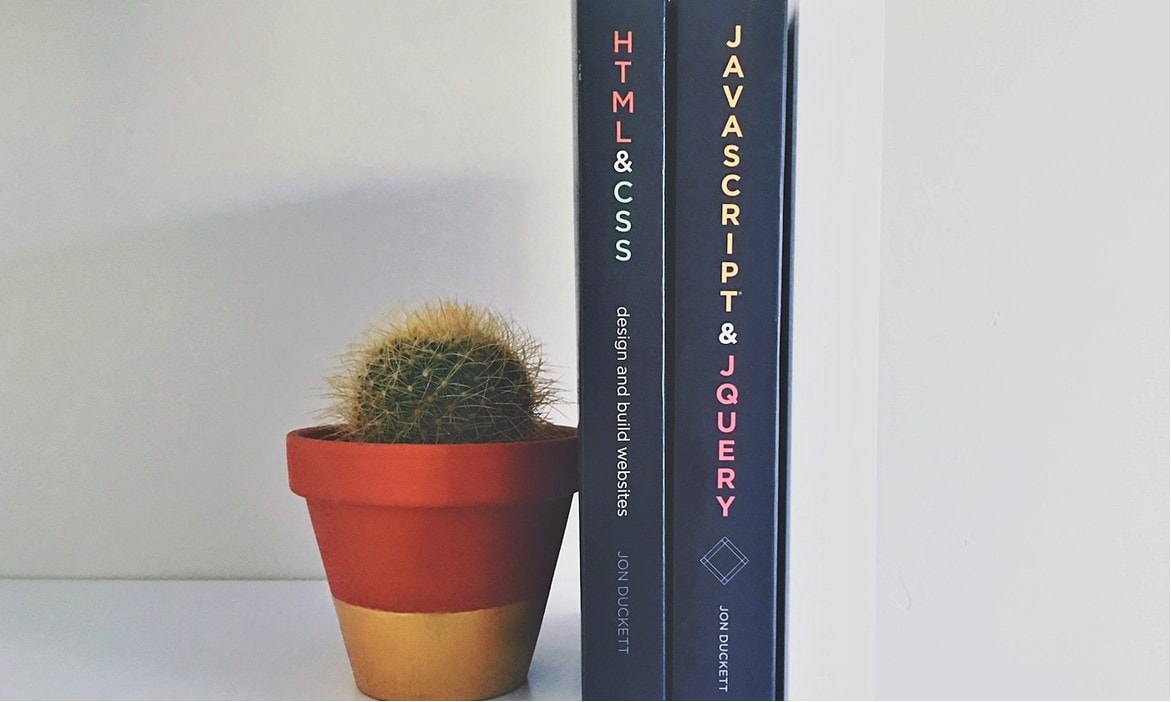
Books are your learning foundation and there are many great books on web design and web development that you can order online or read online in electronic form. You can even download these. Some of the best resource sites where you can find web design books are web design communities. They usually have sections reserved for web design resources such as books (and other learning materials) and design assets (templates, icons, etc.)
6. Read blogs on the subject
Another gem for learning web design is blogs. We have a selection of some of the best web design bloggers that you can follow if you need insights and tutorials from experts and veteran practitioners. These bloggers are authority figures in the web design industry, some of whom have been employed by top tech companies. You’ll find their skill and wisdom applied to troubleshooting issues and suggesting innovative ways to do things.
7. Browse galleries and inspiration sites

We have featured some of the most noteworthy web design inspiration sites if you need to get away from your creative doldrums. Online galleries, portfolios, and inspiration sites showcase the best works of designers from around the world. Some even share their valuable web design process and helpful techniques to hone your skills. Being receptive to their ideas opens up a precious learning corridor for you.
8. Visit dedicated news sites
One area of learning web design is knowing the latest developments and trends regarding the discipline and the industry. There you can find web design news sites which can be dedicated news sites or news aggregator sites. Whichever you prefer, you’ll get your daily dose of web design news and be updated on everything connected to web design and its many aspects.
9. Watch video tutorials and demos
Web design blogs, resource sites, and even web design community sites usually carry video tutorials and guides. Even the official websites of web/graphic design software, tools, and platforms offer video demonstrations and even free trials. Then there’s YouTube. Type “learn web design” in the search bar and you’ll be presented with an endless lineup of free web design videos – from short tutorials for beginners to full-blown courses for professionals – covering a vast expanse of topics from codes and components to frontend and backend, and everything else.
10. Build a website
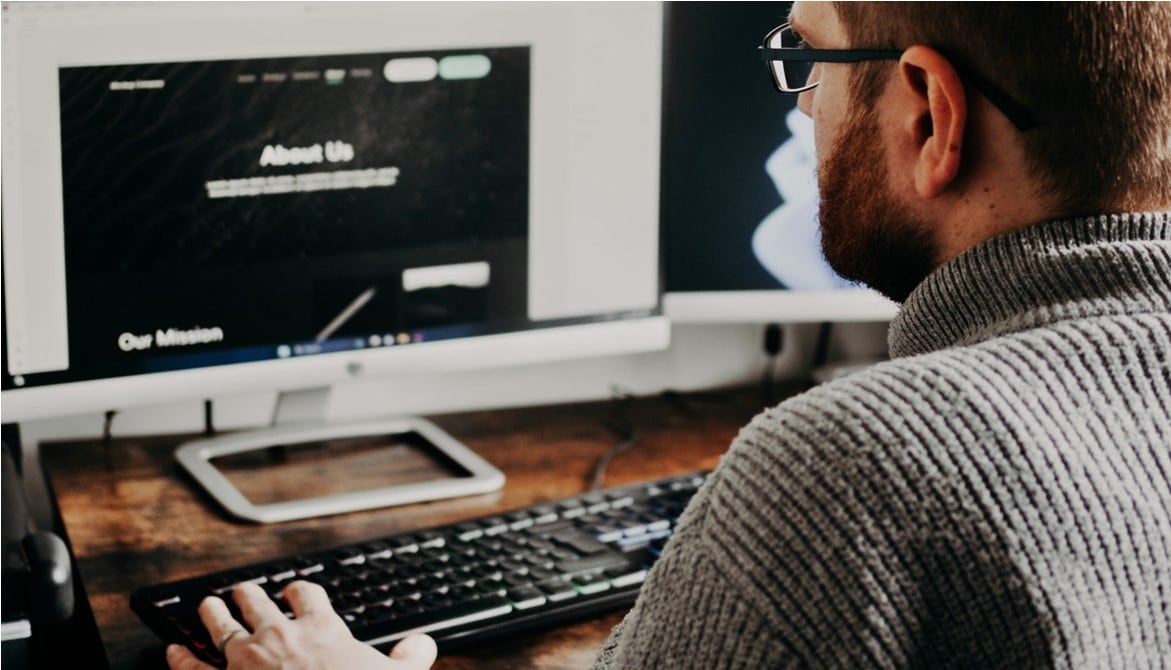
The ultimate way to learn web design is to go hands-on and build a website. With all the things you’ve read from sites and discussed in forums, you’ll be able to apply, implement, test, and experiment by building an actual website. You can do this for free and by initially using a content management system in web design such as WordPress or Wix. You can also opt for free trials or free plans from popular website builders. While these will present you with limited features, they are enough to get you started and learn the fundamentals of what works and doesn’t work in web design.
Sustain Your Learning
Learning is a continuous process and, like any professional, must be sustained to gain insights, knowledge, and additional skills. As you can see, there are many ways of learning web design, you just need to know how and where to look. Learning is important so you don’t stagnate but remain sharp, creative, and fired-up – characteristics that will serve you well in your career as a web designer or developer. Remember, your skill and ability will only be limited by what you have learned so far.