Crafting Engaging Web Designs: What To Learn From Top Industry Sectors

Why do some websites capture your attention immediately, while others leave you clicking away in seconds? The magic often lies in the web design elements that industry leaders employ to keep visitors engaged. Yet, achieving such a magnetic quality starts well before the first visitor lands on your page – it begins with the blueprint of design excellence.
Consider how masterful chefs work from outstanding recipes; similarly, top-industry sectors derive their online success from robust initial designs. They understand translating high-quality designs into functional website templates can significantly elevate user engagement.
Blueprints of Engagement: Decoding Top Sectors’ Design Strategies
Consider the leaders in finance, e-commerce, or technology sectors; their websites stand as testaments to strategic design. What can we extract from their success? A common thread that weaves through these digital tapestries is an unwavering commitment to meticulous design strategies.
It’s not a game of chance. These blueprints are carefully crafted, taking into account every pixel and its impact on user interaction and perception. We will break down the elements – those visible and those under the hood – that make industry giants’ online platforms so effective at keeping visitors engaged and returning for more. It’s about understanding the critical components that resonate with users across various markets.
1. Templating Success: The Role of Robust Design Frameworks & Conversion Essentials
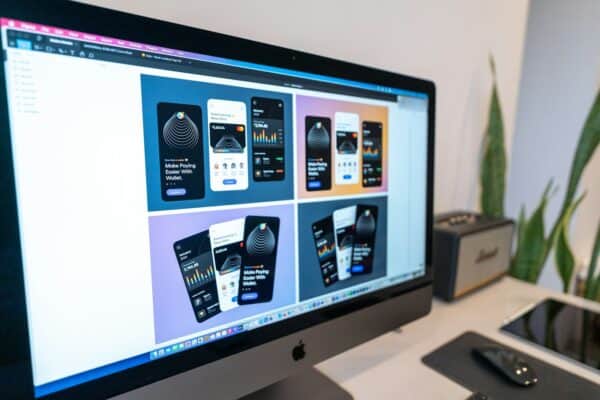
It all begins with a robust template. If we consider the alchemy of converting bespoke designs from Figma to WordPress, for instance, it’s clear that the foundation of this process is crucial. It’s akin to constructing a building; an architect’s blueprint must not only look good on paper but also translate into a structurally sound edifice.
In translating a Figma design to a WordPress theme, one ensures that the integrity of the original vision is maintained, while also harnessing the functionality and versatility that WordPress offers.
This conversion step isn’t just technical – it’s where design meets practicality, ensuring your web presence is built on solid ground for maximum engagement and user retention.
2. Design Dynamics: How Aesthetics Influence User Behavior
An aesthetic is far from superficial; it’s a silent envoy that communicates your brand’s ethos and engages the user at first glance. In scrutinizing the psychology behind design dynamics, one notes how color, typography, and layout are not mere embellishments but rather pivotal in shaping user behavior.
This shows how visual appeal goes hand-in-hand with usability to create an intuitive experience. These components don’t just please the eye – they guide visitors through your digital landscape, prompting actions and decisions.
These elements interplay and have profound effects on interaction rates. By implementing them, you position yourself to craft web designs that not only draw users in but also anchor them to your content.
3. Interactivity and Intuition: Lessons from User Experience Leaders
Engaging a user means speaking their language, anticipating their needs, and making the journey through your content management system as intuitive as breathing. The titans of user experience don’t just create pathways; they design experiences that feel like second nature to the user.
This shows that interactivity is a subtle art in web design – a clever coaxing into deeper exploration of your site. With sharp insights from UX frontrunners, we understand that every button placement, navigation menu, and call-to-action is meticulously conceived to foster effortless interactions.
It’s about crafting an environment within your content management system that feels not only familiar but also empowering, enabling users to navigate with confidence and ease.
4. Metrics that Matter: Correlating Design Quality with Engagement Rates
Numbers don’t lie, especially when dissecting the link between design quality and user engagement. In this data-driven realm, analytics serve as a compass, steering by the metrics that matter in charting a website’s success.
This shows that bounce rates, time on page, and conversion figures are not just statistics but narratives of interaction – each a verdict on the design’s efficacy. The critical eye here discerns which elements captivate and which fail to hold attention.
Pinpointing where users connect or disconnect enables iterative refinement – a continual honing process guided by concrete performance indicators. Understanding these correlations provides the insight needed to elevate a website from functional to phenomenal.
5. Adapting Artistry for Functionality in Web Development
Achieving harmony between stunning design and robust functionality is vital in crafting an advanced website. Without a seamless user experience, even the most visually appealing site falls short. The key lies in knowing that every artistic choice has a functional consequence.
In real-world terms, consider the sleek lines of a sports car; its allure is part performance, part design. Similarly, websites that blend creativity with utility stand out in the digital space. This section underscores effective methods for ensuring your site’s visual narrative does not overshadow its usability.
From streamlined navigation to responsive design, top website designers ensure that artistry and functionality complement rather than compete, offering users an online platform where innovation meets ease of use – a pairing essential for staying ahead in the fast-paced web arena.
Fusing Form with Function: The Final Takeaway
Mastering web design isn’t just about creating a visual feast; it’s ensuring every element serves a purpose. Influential sectors demonstrate that the sweet spot of high engagement lies in the alchemy of aesthetics and usability.
By drawing from these insights and blending them with meticulous design-to-template conversions, your website becomes more than just an online presence – it transforms into an interactive destination poised for success. So forge ahead, infuse these lessons into your designs, and watch as they yield tangible results in user engagement and satisfaction.