A Beautiful Website Means Nothing If the Right People Never Find It
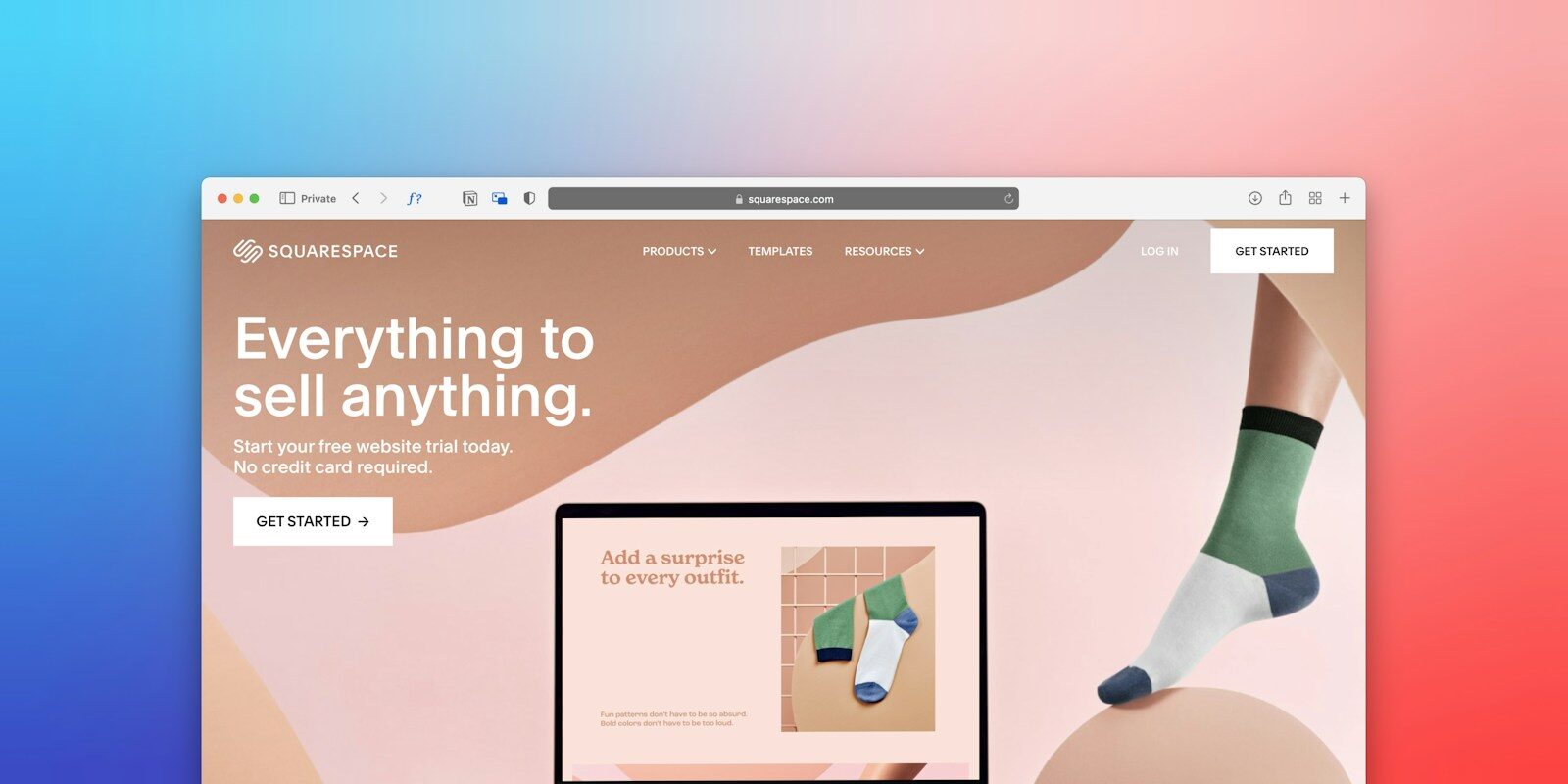
A beautifully designed website can make an excellent first impression. Carefully chosen colors, smooth animations, striking photography, and intuitive navigation all contribute to a professional online presence. However, even the most impressive website has limited commercial value if potential customers never discover it.
For businesses investing heavily in web design, this creates an important question. Are you building a website that simply looks good, or one that actively helps your business grow? The most successful websites achieve both, combining thoughtful design with a strategy for attracting relevant visitors.
Great Design Is Only Half the Equation
Web designers naturally focus on the visual and functional elements of a website. Typography, layouts, accessibility, and mobile responsiveness all influence how visitors experience a brand.
However, these features primarily benefit people who have already reached the website. Without a reliable way to attract visitors, businesses may struggle to justify their investment.
Search engine optimization (SEO) helps address this problem by improving how easily relevant pages can be discovered through search engines.
For software companies operating in competitive markets, specialist support can be particularly valuable. Agencies such as Click Intelligence offer SaaS-focused link-building services that can support a wider strategy for developing search visibility and online authority.
Design and SEO shouldn’t be treated as separate projects. Both need to contribute to the same business objectives.
Understand What Your Audience Is Searching For
One common mistake businesses make is designing websites around what they want to say rather than what their customers need to know.
A software company might dedicate its homepage to impressive product features while overlooking the practical questions potential customers are asking.
Understanding search intent helps businesses create pages that address genuine problems, explain relevant solutions, and guide visitors towards appropriate products or services.
Keyword research can reveal these opportunities, but the goal shouldn’t be to squeeze search terms into every paragraph. Content should remain useful, readable, and relevant.
Technical Performance Matters More Than You Think
A visually ambitious website can sometimes become unnecessarily complicated. Large image files, excessive animations, and poorly implemented scripts may slow loading times and frustrate visitors.
Technical performance also influences how effectively search engines can access and understand website content.
Clear navigation, descriptive page titles, appropriate heading structures, and mobile-friendly layouts provide a stronger foundation for both usability and discoverability.
Designers and developers who consider these requirements from the beginning can avoid expensive adjustments after launch.
Turn Website Visitors Into Customers
Attracting traffic is important, but visitor numbers alone don’t determine commercial success.
A website also needs to help people take the next step, whether that’s requesting a demonstration, making a purchase, or contacting the business.
Clear calls to action, accessible contact information, and straightforward forms can reduce unnecessary friction.
Trust matters too. Genuine customer testimonials, transparent pricing information, and clear explanations of products or services can help visitors feel more confident about their decisions.
Keep Improving After Launch
Launching a website shouldn’t mark the end of its development. Visitor behavior, search performance, and conversion data can reveal opportunities that weren’t obvious during the design process.
Regularly reviewing these insights allows businesses to refine content, improve navigation, and address technical issues before they become larger problems.
A beautiful website is certainly worth creating, but appearance alone won’t generate meaningful business results. When strong design works alongside discoverability, useful content, and a clear conversion strategy, a website becomes much more than an attractive digital brochure.