How Web Design Projects Help Students Develop Critical Thinking Skills
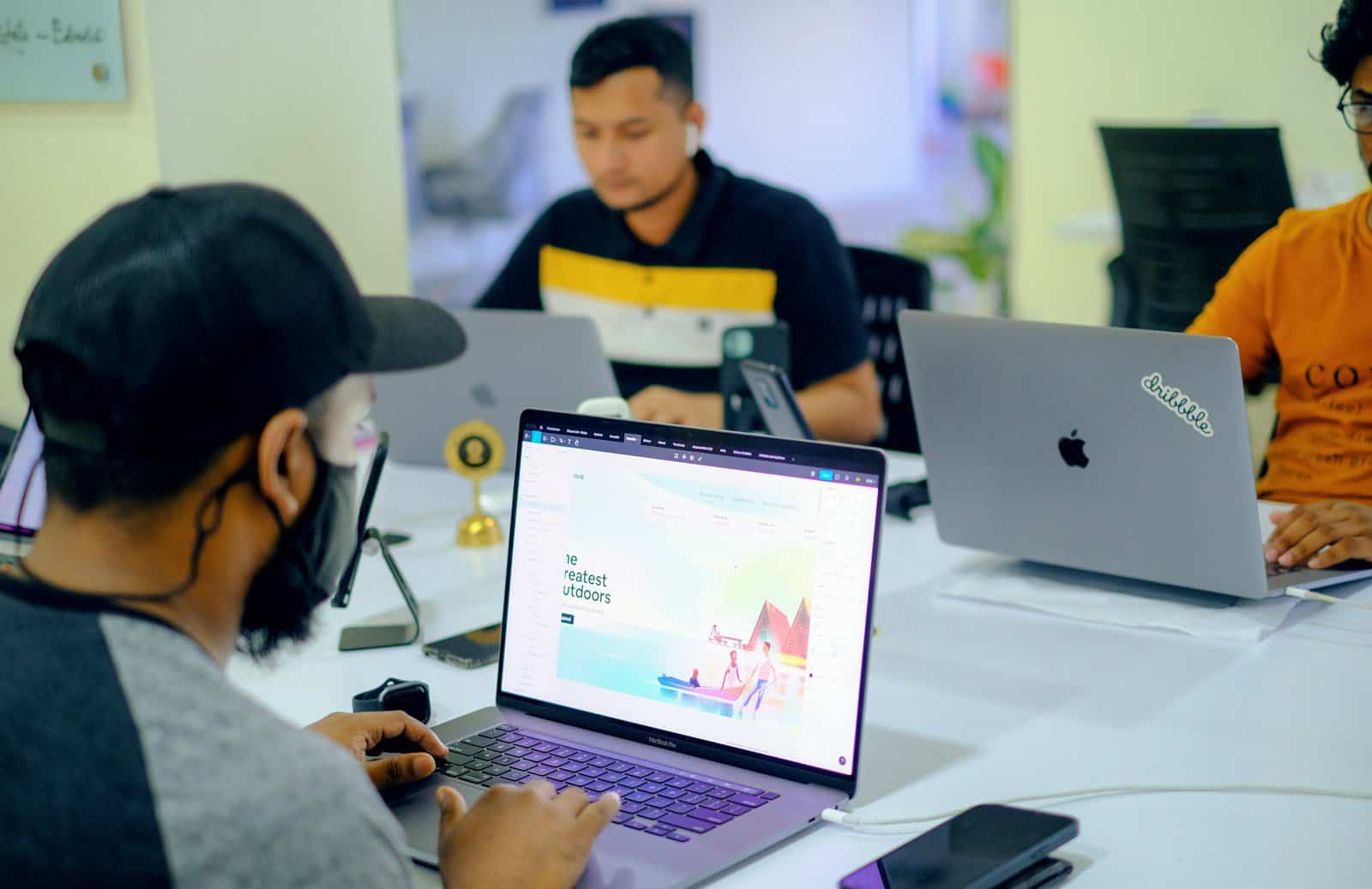
Students must acquire the ability to think critically because today, we live in a fast-paced society. It is a perfect medium for these skills web design assignments. Whether you’re a geek or a regular tech person interested in design, such projects can give you a leg up on critical thinking skills. So, let’s explore web design as an exercise in thought and what these design challenges teach students.
Understanding the Problem
For any website you build, the first step is to learn what issue you are attempting to solve. Web projects often have an end in mind: Who is the user? What is the aim of the site? What should the user be exposed to or receive? Such questions are only possible to answer with pause. Students must understand how to recognize and break big problems into sub-problems.
Focusing on solving problems at the root gives students the foundation to think clearly and critically, which is crucial to developing their critical faculties. Understanding the issue well allows learners to solve problems more effectively.
Planning the Design
Once the students know the issue, design is the next thing to do. This phase is all about planning the website’s appearance and how it will function. Some significant choices have to be carefully considered. There are four factors that students need to consider in this phase:
- Thinking About Concepts: Inventing interesting ideas that match the website’s function.
- Diagramming Designs: Drawing mental models of the layouts of the pages.
- UX: Consider how people will use the site and make it easy to navigate.
- Aesthetics and Functionality: You must balance what looks cool with how the site works technically.
Through this planning process, students learn not only how to solve a problem but also how to predict a challenge. It allows them to develop better judgment when testing their design before proceeding.
Adapting to Feedback
Flexibility is one of the greatest lessons that web design teaches. The designs can come in the form of constructive critiques from teachers or classmates; sometimes, the initial layout doesn’t pan out. The students need to learn to modify the design to a good or bad look or functioning perspective.
Here, you learn to think objectively and make adjustments. As learners understand how to process and receive feedback, they are less rigid in their thinking and more open to experimentation. This adaptive mindset is critical to developing their ability to think critically, as it allows them to reorient strategies and problem-solve.
Problem-Solving During Implementation
However, the web design task is complicated. Occasionally, code, technical issues, and design bugs pop up. Upon discovering these issues, students have to identify and devise solutions. Whether breaking a line of code or finding out what’s wrong with an image’s display, students have to think creatively and try new things.
Practiced problem-solving exercises require students to think for themselves, learn from their mistakes, and reason to solve challenges. Each successful fix strengthens their critical thinking skills for use in other parts of their lives.
When working on web design projects, education recipients often face challenges balancing these projects with other academic responsibilities. This is where Topessaywriting – best writers you can trust – comes in handy. Delegate some of your workload to experts and focus more on the hands-on aspects of web design.
Reflecting on the Final Product
When students have completed a web design project, they should consider what they have created. Did the website do well? What could have been done better? What succeeded or didn’t? Reviewing what they have created gives students an understanding of their own choices in design and problem-solving.
Reflection is an excellent source of learning and improvement. It helps learners discover their strengths and weaknesses and teaches them better ways to think critically for subsequent work. The more they believe, the more they can apply it to their next web design problem.
Building Skills Beyond the Screen
There’s more to web design projects than technical competence; it’s also an excellent project for students to develop critical skills. These activities force students to dig from conceptualizing to feedback and real-world problem-solving. All the while, they’re made to become more intelligent thinkers. Therefore, the next time you start building websites, know that you don’t just build websites – you develop your mind.