Proper Lighting Is Drastically Impacting Your Employees’ Productivity
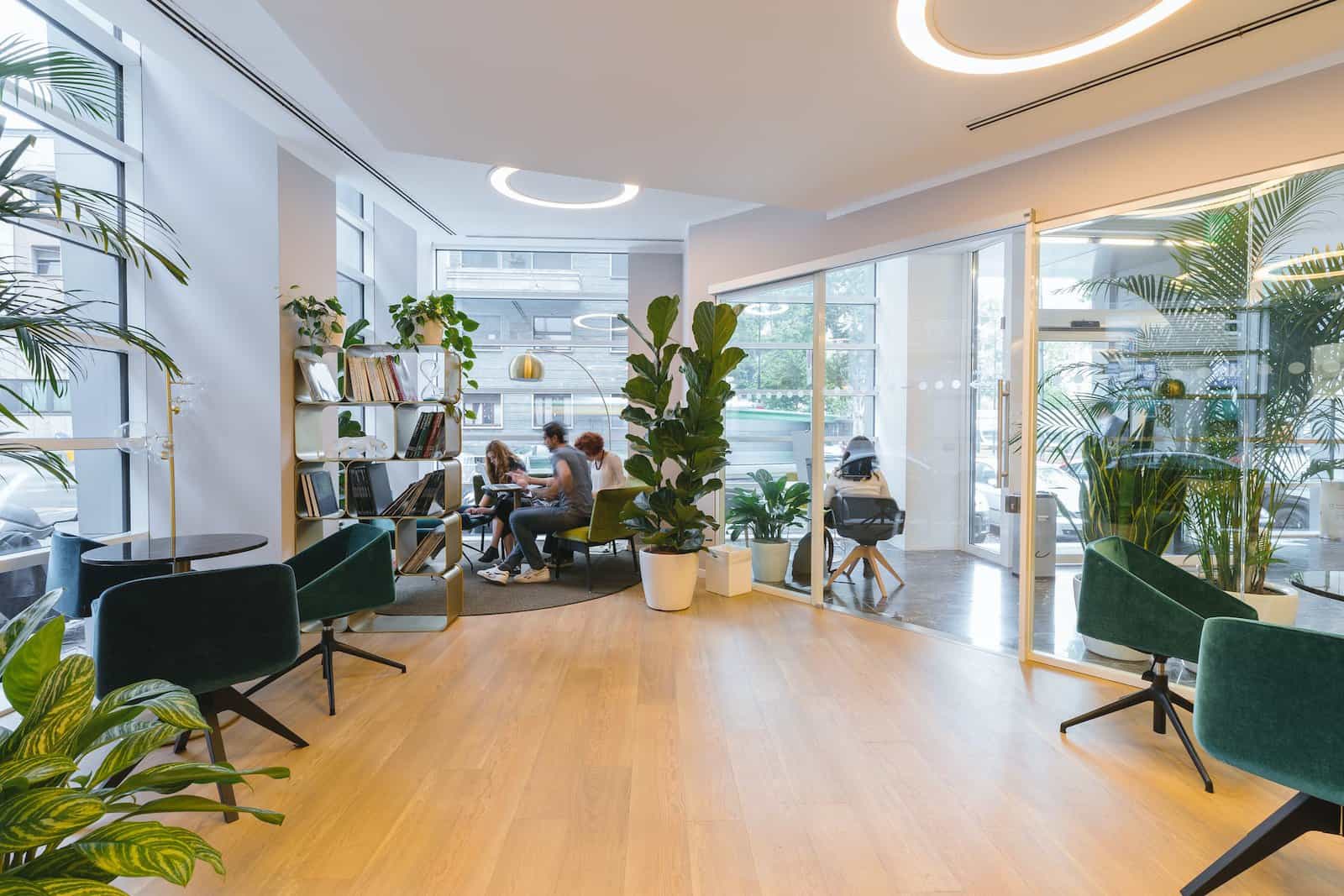
As a small business owner, enhancing productivity is your pathway to success. From offering competitive benefits to flexible work schedules, you have likely explored numerous strategies to empower your employees. Yet, have you ever considered the impact of something as simple as proper lighting?
Lighting does more than brighten up a room. It is a crucial determinant of productivity, influencing your team’s work capacity far beyond the act of sight. Lighting plays a significant role in shaping your team’s efficiency, mood and overall output. By understanding its effects, you can wield good lighting as a powerful tool to boost your business’s productivity.
The Impact of Lighting on Productivity
In examining the impact of lighting on productivity, it is essential to understand its psychological and physiological effects on employees.
Poor Lighting Is a Source of Discomfort and Reduced Productivity
Poor lighting conditions can have a detrimental effect on employees’ productivity. Insufficient or overly harsh artificial lighting can cause physical discomfort.
Eye strain is often a result of glaring light sources or low light conditions. This can lead to dryness, itching and blurred vision. When an employee experiences such discomfort, their ability to focus and maintain consistent performance inevitably suffers.
Similarly, the constant squinting and readjusting of your eyes in poor lighting conditions can cause headaches. Chronic headaches can reduce productivity, as employees may need frequent breaks or time off to recover.
Proper Lighting Is a Catalyst for Critical Thinking and Decision-Making
On the other hand, proper lighting is more than just a feature of a comfortable workspace. It also can influence the brain’s critical thinking and decision-making processes.
Good illumination reduces the strain on your eyes, allowing you and your staff to concentrate better and process information more efficiently. In fact, workplaces that ensure well-lit spaces often see a marked improvement in the quality of decisions and problem-solving abilities of their employees.
A study published in the Journal of Research in Health Sciences revealed an intriguing correlation between people’s productivity and lighting characteristics. The researchers meticulously reviewed the effects of light on attention span and reaction time. Their results showed higher color temperatures, increased intensity and shorter wavelengths of light positively impacted participants’ attention span.
With increased attention came quicker reaction time, amplifying their productivity. These findings show the powerful influence of optimal lighting conditions on cognitive performance and productivity.
Natural Light Maintains Circadian Rhythm and Mood
Proper lighting — particularly natural light — is vital in regulating the body’s circadian rhythm, which is the internal body clock that follows a 24-hour cycle. This rhythm influences sleep patterns, hormone production and mood. As such, access to natural or blue light during work hours can boost alertness and energy levels, improving overall productivity.
Moreover, exposure to sunlight links to better mood and lower stress levels. In an office environment, this translates into happier, more motivated employees who are more likely to produce high-quality work.
Minimize Errors and Accidents With Illumination
Safety is another crucial aspect where proper lighting is indispensable. A well-lit workplace reduces the likelihood of errors in tasks requiring precision and minimizes the risk of accidents.
Whether it is tripping over unseen objects or making mistakes, such incidents may cause downtime, injury and legal implications. With good lighting practices, you can avoid these unnecessary pitfalls.
Good Lighting Improves Overall Employee Well-Being
There is a compelling link between proper lighting and overall employee well-being. As mentioned, natural light exposure can improve mood and lower cortisol levels. In addition, a well-lit workspace can create a more positive atmosphere.
Happier employees are more productive, so good lighting is more than a matter of convenience. It is a significant contributor to building a healthy and productive work environment.
Tips on Providing Proper Lighting in the Workplace
Now that you have encountered the remarkable influence of lighting on productivity, here are some practical tips on providing proper lighting in your office.
Use of Natural Light
Make the most of natural light. Whenever possible, arrange workstations near windows and use transparent materials for partitions. While natural light enhances mood and energy levels, it also offers the bonus of reducing electricity costs.
However, balance is key. Overexposure to direct sunlight can cause glare and discomfort, so effective shading solutions like blinds or diffused glass may be necessary.
Embrace LED Lights
While natural light is the gold standard, artificial lighting is also crucial — particularly in areas or times when natural light is insufficient. Opt for LED lights, which provide bright, even illumination and are more energy efficient than traditional bulbs. They also emit less heat, reducing the risk of discomfort.
Boost Focus With Adjustable Desk Lamps
To prevent eye strain and enhance focus, consider providing adjustable desk lamps for task lighting. Employees can then control the intensity and direction of the light, customizing it to their specific tasks and preferences.
Implement Lighting Control Systems
Investing in lighting control systems like dimmers or automated blinds can further optimize comfort and productivity. These tools allow you to adjust the lighting based on the time of day, weather or specific tasks, ensuring consistent lighting throughout the workday.
Maintaining Consistent Lighting
Keep the importance of regular lighting maintenance systems in mind. Routine checks and prompt repairs will prevent unexpected issues and ensure your employees always have the lighting they need to perform their best.
Properly Lighting the Path to Greater Productivity
Proper lighting is critical in enhancing employee productivity. It influences your staff’s mood, health, safety and cognitive abilities — all essential for effective work. Therefore, business owners should look at their current setup.
Take a moment to evaluate and adjust your lighting conditions to ensure optimal productivity. It is a relatively simple step that could unlock significant improvements in your business’s output and success.