Color psychology is the study of how colors influence human behavior, emotions, and decision-making processes. When it comes to website design, using color psychology helps create an engaging and impactful user experience.
By understanding the psychological effects of colors and leveraging this knowledge in auto repair website design or website design for other industries, you can encourage specific actions and evoke the desired emotional response from your target audience. That said, here are ways you can use color psychology in your website design to enhance user engagement and boost conversion rates.
1. Understand Your Target Audience
Before delving into the world of color psychology, it’s crucial to have a clear understanding of your target audience. Therefore, consider their demographics, preferences, and expectations. This will help you select colors that resonate with your audience, meet their needs, and encourage them to take the desired actions on your website.
2. Align Colors With Brand Identity
Your website’s color scheme should align with your brand identity, including your brand’s values, personality, and messaging. Consistency in branding can help build trust, recognition, and an emotional connection with your audience.
Start by selecting a primary color that reflects your brand identity and then add complementary colors to create a harmonious and visually appealing palette.
3. Use Color Theory To Create Harmony
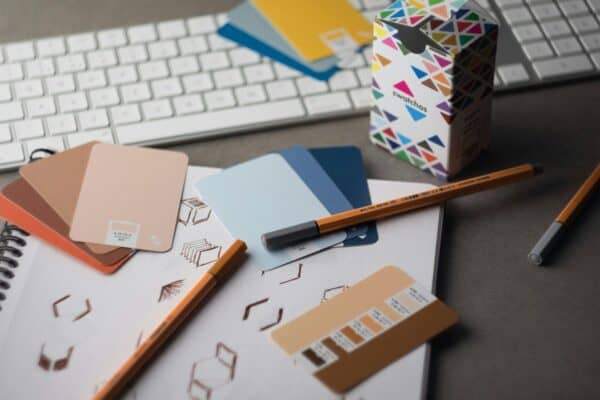
Color theory is the science behind the relationship and interaction of colors. Using color theory principles, such as complementary, analogous, and triadic color schemes, can help you create a visually balanced and harmonious website design.
For instance, a complementary color scheme includes two colors opposite each other on the color wheel, creating a high-contrast and dynamic look. On the one hand, an analogous color scheme uses colors adjacent to each other on the color wheel, resulting in a more harmonious and soothing appearance.
4. Leverage The Psychological Effects Of Colors
Different colors can evoke different emotional responses and behaviors from users. Here are some general associations of common colors and how they can be used in your website design:
- Red: This is associated with excitement, passion, and urgency. It can be used to draw attention to critical elements, such as call-to-action buttons or limited-time offers.
- Blue: This represents trust, stability, and calmness. It’s ideal for websites in the finance, healthcare, or technology sectors, where trust and reliability are essential.
- Green: This symbolizes growth, nature, and freshness. It can be used for eco-friendly, wellness, or organic brands to emphasize their commitment to sustainability and health.
- Yellow: This evokes happiness, optimism, and warmth. Use it to create a welcoming atmosphere and highlight essential elements.
- Orange: This conveys energy, creativity, and enthusiasm. It can be effective in motivating users to take action or as an accent color to grab attention.
You can create a more engaging and effective online presence by carefully selecting colors that align with your brand identity, message, and target audience. Always consider your target audience’s preferences and expectations, and don’t hesitate to experiment to find the perfect color scheme for your website.
5. Create A Visual Hierarchy With Color
Colors can create a visual hierarchy on your website, guiding users’ attention to the most important elements. Use more intense colors for primary calls-to-action, and apply lighter or more muted colors for secondary or less critical elements. This will help users easily navigate your website and focus on the most important information and actions.
6. Consider Accessibility And Inclusivity
When selecting colors for your website, always consider accessibility and inclusivity. Make sure there’s sufficient contrast between text and background colors to ensure legibility for all users, including those with visual impairments. There are online tools, such as the Web Content Accessibility Guidelines (WCAG) contrast checker, that can help you determine if your color choices meet accessibility standards.
7. Test, Analyze, And Optimize
Lastly, it’s essential to test your color choices and analyze their impact on user behavior and conversion rates. Use A/B testing to experiment with different color schemes to help you determine which combinations resonate best with your audience and drive the desired results. By continually analyzing and optimizing your color choices, you can ensure that your website design remains effective and engaging.
In Conclusion
Effectively using color psychology in your website design is a powerful tool for creating a strong emotional connection with your audience, guiding user behavior, and boosting conversions. Following the guidelines above can help you create a stunning website design that drives results and leaves a long-lasting impression on your visitors. Experiment with color psychology today to make your website a unique and effective platform for your target audience.