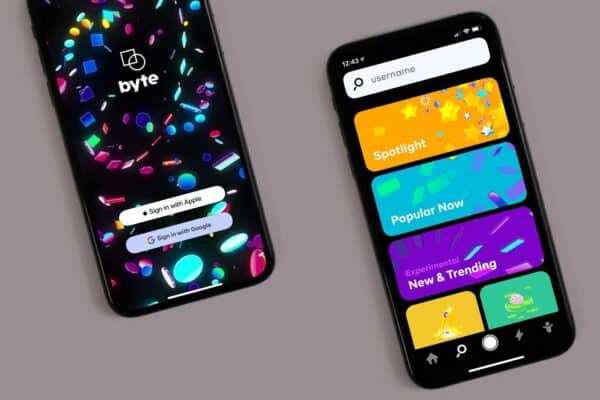
The role of mobile apps in the modern world shouldn’t be underestimated. With the progress achieved in mobile software development, it is possible to create apps with amazingly rich functionality and cutting-edge tools that can revolutionize the way we perform various tasks.
The number of app downloads worldwide hit the mark of 255 billion in 2022. And this figure demonstrates a significant growth over the recent years. Just compare: in 2016, there were only around 140 billion downloads. Among the factors that drive this growth, we should name the increasing interest from the side of users in various solutions, the expanding row of features available in mobile apps, and the further penetration of smartphones.
And without any doubt, we can agree that the current moment can be a very good time for launching your own mobile app that will address the needs of your target audience. However, to make sure that your solution will succeed, you should bear in mind the existing market competition which can be considered as one of the most serious mobile development challenges.
To leave your rivals behind you need to have a relevant idea, excellent developers by your side who will ensure seamless functioning of your app, and clear goals of your project. Let us share some practical tips that will help you to provide users with a mobile solution of the highest quality.
Ideation
You should start with the identification of the goals behind your project. As a rule, businesses launch mobile apps to reach one of the following goals:
- To increase brand awareness and strengthen business reputation;
- To offer a new channel of interaction with clients;
- To provide “ad-hoc” features to users;
- To increase quality and speed of interaction with customers.
When you already know your objectives, you need to define your general idea. How are you going to achieve your goals? How will your app be able to contribute to this process? How will users interact with it? You should answer these and many other questions that will help you to describe your idea in detail.
It will be also important to think about the peculiarities of your target audience and choose the exact type of mobile app that will be developed. Will it be a native Android or iOS app? Or do you want to deliver a cross-platform or hybrid solution? We recommend you choose a variant that will allow you to optimize costs and, at the same time, address the widest audience that will be possible in your case.
Selection of the development team
If you have in-house developers and you are sure that your team has all the required skills for building your app, then you can skip this step. But if you do not have such specialists you will need to establish cooperation with freelancers or a reliable software development team that will create a software solution based on your requirements. It is vital to take into account such factors and parameters as the expertise of the team, its tech stack, portfolio, used business models, and reviews written by its customers. These reviews will help you to understand what you can expect to get from this cooperation.
Planning
After you find developers and share your requirements, the team will analyze your idea, make suggestions (if any) that will help to improve the product and create a roadmap. If you have any specific deadlines or other requests, do not forget to mention them at this stage so that the team can take all of them into account while planning.
Design and development
This step includes a lot of work for software engineers and designers who will need to build the required features and create interfaces. Quite often it is recommended to build an MVP first to test the idea itself before investing funds into a full-scale application. An MVP will have a very limited set of features. However, they should be enough for the target audience to understand the idea of your app and provide their feedback. Based on their opinion, you will make a decision on the feasibility of your project.
App release
When the app is well tested, all bugs are fixed and it is fully ready to be offered to users, it’s time to launch it and publish it on app stores. Before doing it, you also need to study all the requirements that app marketplaces have for the solutions that will be placed on their platforms. If your app is not compliant with the relevant rules, your submission will be rejected.
Final word
A lot of people think that after making the app available to users, they can fully relax. But the work on the project should still go on. You need to monitor your app performance and analyze users’ feedback in order to modernize your solution, enrich it with new features, and timely react to all the risks and vulnerabilities that can negatively affect user experience. Market needs can change over time and your application should always correspond to the current demands. That’s the key principle that will help you to achieve success.